

Trends and Prospects in Indian Consumer Electronics 2025
Explore top trends & prospects in India's consumer electronics market till 2025 📱. Understand tech impact, rising product categories, govt support & challenges retailers face.
Edited By
Isabella Hughes
India's energy landscape is undergoing a significant transformation, driven by the urgent need to bridge growing electricity demand while reducing carbon footprints. The country aims to align its energy sector with sustainable development goals by embracing renewable energy sources like solar, wind, and bioenergy. This shift is critical not only for environmental reasons but also for enhancing energy security and creating new economic opportunities.
Currently, India ranks among the top countries globally in renewable energy capacity, with solar and wind energy witnessing rapid expansion. Government initiatives such as the National Solar Mission and ambitious targets for installing 500 gigawatts (GW) of renewable capacity by 2030 are pushing the market forward. Supportive policies, including accelerated depreciation benefits and green energy corridors, encourage private sector investments and foreign participation.
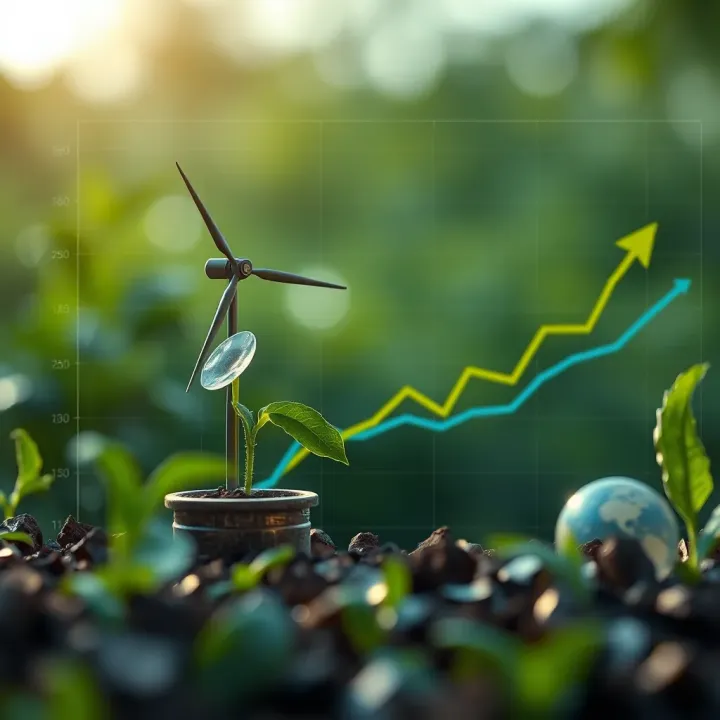
Technology adoption is another key factor shaping the energy transition. India’s investment in battery storage, smart grids, and green hydrogen development is expected to improve grid stability and enable deeper renewable penetration. For instance, states like Gujarat and Tamil Nadu have already started integrating large-scale energy storage to manage intermittency challenges.
Investment trends reflect growing confidence in India’s renewable sector. Both domestic and international investors, including sovereign wealth funds and private equity houses, are eyeing clean energy projects due to favourable returns and policy support. Financing structures are evolving too, with banks and non-banking financial companies (NBFCs) innovating tailored products like green bonds and sustainability-linked loans.
India’s energy transition offers investors a unique chance to participate in a market poised for rapid growth while contributing to climate goals.
However, challenges remain. Infrastructure gaps, land acquisition hurdles, and grid integration of renewables require continued attention. The need for skilled workforce development and strengthening regulatory frameworks is also vital to sustain momentum.
In summary, India’s sustainable energy sector is a dynamic mix of aggressive policy targets, technological advances, and expanding investments. Understanding these components is essential for traders, investors, and entrepreneurs looking to engage with the evolving energy market up to 2025 and beyond.
Understanding India's energy landscape is essential for grasping the country's shift towards sustainability. The energy mix, consumption patterns, and growing demand shape policy decisions and investment strategies. For traders and investors, insight into these elements can identify emerging opportunities and risks as India pushes for cleaner energy.
India relies heavily on coal, oil, and natural gas, which together account for about 75% of the total energy consumption. Coal alone contributes roughly 55%, powering thermal plants that feed the growing industrial and residential demand. Renewables like solar, wind, and biomass are steadily expanding but still represent around 15-20% of the total energy supply. Hydroelectric power and nuclear energy make up the rest. This distribution affects not only environmental outcomes but also investment flows into traditional versus green energy sectors.
Energy demand in India is rising fast due to rapid urbanisation, industrialisation, and improved living standards. The expansion of middle-class consumers, the push for affordable electricity in rural areas, and rising digitalisation all fuel this growth. For example, increased use of appliances and air conditioning during hot summers pushes peak power demand. This upward trend means the existing infrastructure struggles to cope, highlighting the urgent need for reliable, sustainable capacity additions.
Although fossil fuels dominate, their adverse effects are visible through rising air pollution and carbon emissions. India is the third-largest emitter globally, with coal-based power plants contributing significantly to CO2 levels. Besides environmental harm, heavy import dependence on crude oil makes the economy vulnerable to price shocks. This dependency drives interest in cleaner fuel alternatives and domestic renewable projects to cut costs and enhance energy independence.
The environmental toll of fossil fuels is hard to ignore. Pollutants from coal plants worsen air quality in cities like Delhi and Mumbai, affecting public health and productivity. Climate change effects—such as erratic monsoons and extreme heat—threaten agriculture and water resources. Sustainable energy sources can reduce emissions, improving air quality and supporting India's commitment to the Paris Agreement. This environmental focus will influence regulatory frameworks and investor sentiment.
Energy security underpins economic stability. India imports nearly 85% of its crude oil demand, exposing it to geopolitical risks and price volatility. Renewables reduce dependence on imports, as solar and wind energy are locally available and increasingly affordable. This shift buffers the economy against international disruptions and strengthens self-reliance. For entrepreneurs and stakeholders, recognising this moves supports alignment with national priorities.
Moving towards sustainable energy creates jobs in manufacturing, installation, and maintenance of renewable systems—far more than fossil fuels per unit of power generated. It also leads to decentralised power solutions, which can provide reliable electricity to rural areas lacking grid connectivity. On social fronts, cleaner energy improves health outcomes by cutting air pollution. Economically, lowering fossil fuel subsidies and embracing renewables can reduce fiscal burdens and improve trade balances.
Understanding these energy dynamics helps investors and policymakers identify sectors ready for growth and innovation as India accelerates its green energy transition.
With this foundation, exploring renewables, policy frameworks, investments, and challenges becomes clearer and more grounded in reality.
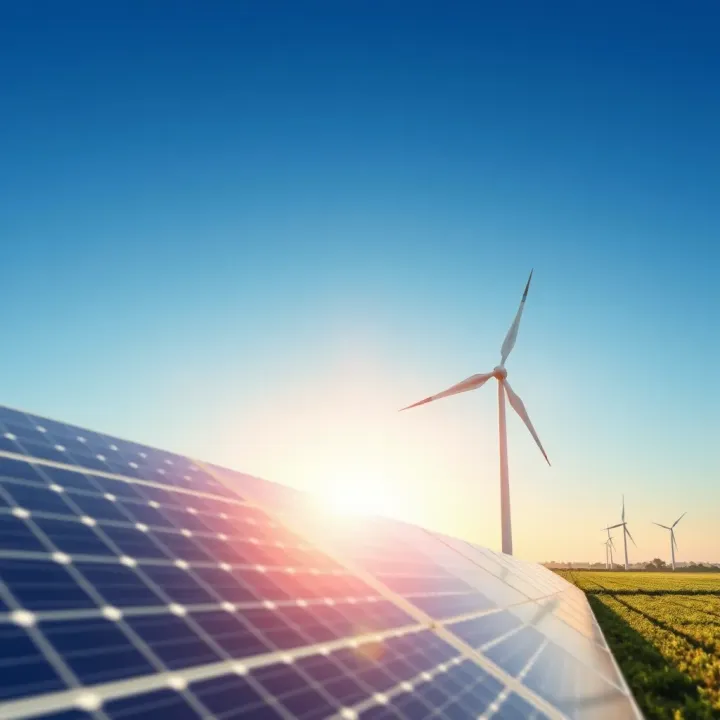
Renewable energy forms the backbone of India's push towards sustainable development. For investors and analysts, understanding the dynamics of these energy sources reveals where future returns and economies will develop. Solar and wind power lead this surge, but emerging options like biomass and green hydrogen deserve close attention.
Large-scale solar projects have transformed India’s renewable landscape. Facilities such as the Bhadla Solar Park in Rajasthan, one of the world’s largest, demonstrate the capacity to generate vast clean energy at competitive costs. These projects benefit from economies of scale, resulting in lower tariffs that decrease dependence on fossil fuels and provide steady power to industrial hubs.
On the other hand, rooftop solar expansion remains vital for decentralising energy and empowering consumers. Urban households and commercial buildings increasingly adopt rooftop panels, stimulated by government incentives and falling equipment prices. This shift not only lowers electricity bills but reduces grid pressure during peak hours, especially in metro cities.
Regarding cost trends and efficiency improvements, solar panels have seen continuous innovation. The cost per unit of solar power in India has fallen by nearly 80% over the last decade, partly thanks to improved photovoltaic technology and better supply chains. Efficiency gains in panel design, such as bifacial modules, yield more electricity per square metre, making investments in solar increasingly attractive.
India’s onshore wind infrastructure leads the renewable charge, with states like Tamil Nadu and Gujarat spearheading turbine installations. While offshore wind is still nascent, pilot projects along the Gujarat and Tamil Nadu coasts promise to tap vast wind resources offshore, where winds tend to be stronger and steadier. These could soon add large capacity and stabilize the grid.
The distribution of wind capacity across states reflects geographical advantages and policy support. Gujarat, Maharashtra, and Karnataka together account for nearly half of the country's wind capacity. State governments’ proactive policies, such as feed-in tariffs and land allocation, have made them hotspots for wind investors.
Technological advances like taller turbine towers and larger rotors have allowed turbines to harness wind at higher altitudes and lower wind speeds. These improvements increase capacity utilisation and reduce per-unit costs, making wind energy more competitive alongside solar.
Biomass and bioenergy offer practical solutions to rural energy needs by turning agricultural waste into electricity or biofuels. This helps reduce air pollution from burning crop residue, a major issue in northern India during winters. Companies are exploring bio-CNG production that can fuel transport or cooking, supporting energy access with local resources.
Small hydro projects, typically under 25 MW capacity, provide clean power in hilly regions with minimal environmental disruption. These installations often serve remote communities off the main grid, helping promote decentralised energy solutions and energy security in the northeast and Himalayas.
Green hydrogen prospects are gaining momentum as India looks to decarbonise industry sectors reliant on fossil fuels, such as steel and fertilisers. Electrolysers powered by renewables split water into hydrogen and oxygen, creating a zero-emission fuel. Green hydrogen, though currently expensive, may see cost reductions soon, inviting investment opportunities in production, storage, and transport.
Renewable energy growth in India is not just about capacity additions but building a resilient, diversified system. For investors and stakeholders, keeping an eye on solar, wind, biomass, and emerging sectors like green hydrogen offers a roadmap to India's energy future.
Effective policies and regulatory frameworks are the backbone of India’s sustainable energy development. They create a clear roadmap that drives investments, ensures accountability, and smoothens the integration of renewable sources into the existing energy system. For traders and investors, understanding these frameworks helps anticipate market shifts and regulatory risks, while entrepreneurs and analysts can identify opportunities linked to government mandates and reforms.
India has set ambitious national renewable energy targets for 2025, aiming to reach 175 GW of installed renewable capacity, including solar, wind, biomass, and small hydro projects. This target underpins India’s commitment to reduce fossil fuel dependency and curb emissions. The practical relevance lies in the scale of market demand it generates, pushing companies to gear up production and investment in renewable technologies.
To support these targets, the government offers subsidies and incentives like accelerated depreciation benefits, viability gap funding, and capital subsidies. These incentives lower entry barriers for investors and developers, particularly for rooftop solar and biomass projects where upfront costs can be a hurdle. For example, states like Gujarat and Rajasthan have leveraged subsidy schemes to attract both domestic and foreign players, resulting in significant capacity addition.
At the state level, governments play a crucial role in tailoring policies that suit regional resource potential and infrastructure readiness. States like Tamil Nadu and Maharashtra have implemented attractive state-level policies which complement national goals, including feed-in tariffs and renewable energy certificates (RECs). This decentralised involvement ensures better execution and localised impact, which is especially important in a diverse country like India.
Renewable energy purchase obligations (RPOs) compel power distribution companies and large consumers to procure a minimum share of energy from renewable sources. Compliance with RPOs stimulates demand for green power and generates steady revenue streams for renewable generators, making such assets more attractive for financing and investment.
Grid integration policies focus on seamlessly connecting renewable energy with the national grid despite the variability inherent in solar and wind power. Measures like real-time balancing, enhanced forecasting tools, and energy storage incentives are critical to maintaining grid stability. This reduces curtailment risks and improves the predictability of power flows, offering greater confidence to stakeholders.
Open access and power trading reforms have created a more competitive and transparent marketplace. By allowing consumers and producers to directly participate in power trades outside traditional utility monopolies, these reforms have widened market options. Platforms like power exchanges enable better price discovery and support the growth of decentralised renewable systems, benefiting industrial and commercial users eager to lock in green power at competitive rates.
Well-designed policies and regulatory reforms act as levers that not only promote sustainable energy generation but also ensure the economic viability and operational reliability of renewable projects across India.
This dynamic policy environment guides investors and entrepreneurs on where to focus efforts, making India’s sustainable energy sector a growing yet navigable landscape.
Investment trends and industry dynamics shape how India’s sustainable energy sector evolves. These factors influence the pace of projects, the kind of technologies adopted, and the financial health of companies driving this change. For traders, investors, and industry watchers, understanding where money flows and how industries respond gives a clearer picture of India’s green energy future.
The private sector in India has become a major force in renewable energy development. Private developers bring innovation, manage project execution efficiently, and often assume investment risks that public players might avoid. For example, companies like ReNew Power and Adani Green Energy are leading large-scale solar and wind projects, adding gigawatts of capacity yearly. This engagement not only accelerates capacity growth but also drives competition, leading to cost reductions and improved project quality.
Foreign direct investment (FDI) patterns reveal international confidence in India’s sustainable energy potential. Investors from the US, Japan, and Europe have pumped billions into Indian green projects over recent years. This influx of capital often brings advanced technology, modern management practices, and stronger global partnerships. One notable case is the investment by several global infrastructure funds into solar parks in states like Rajasthan and Gujarat. As foreign players seek stable returns amid global shifts to sustainability, India’s clear policy push and market scale make it a preferred destination.
Public-private partnerships (PPPs) offer a bridge between government goals and private sector efficiency. PPPs facilitate infrastructure development that might otherwise stall due to funding gaps or policy hurdles. For example, collaborations on the National Solar Mission have led to coordinated deployment of solar power plants with shared financial and operational roles. These partnerships also enable risk sharing and faster regulatory approvals, encouraging projects in less developed regions where private investors might hesitate.
Green bonds and sustainability funds have become key tools for raising dedicated capital for environment-friendly projects. Indian companies and financial institutions issue green bonds specifically earmarked for renewable energy, energy efficiency, and other sustainable projects. This approach appeals to investors focused on Environmental, Social, and Governance (ESG) criteria, giving companies access to a growing pool of impact capital. State Bank of India and Yes Bank have been active issuers, helping projects secure ₹500 crore or more each, creating a positive ripple effect on industry confidence.
Domestic banks and non-banking financial companies (NBFCs) play an essential role by lending directly to clean energy developers. Indian banks like PNB Housing Finance and NBFCs such as Tata Cleantech provide project loans and working capital support, often with flexible terms tailored to the renewable sector’s unique cash flow patterns. Their funding reduces dependence on foreign capital and helps scale projects faster. However, banks are also cautious about policy shifts and payment delays from distribution companies, which affects lending volumes.
Government-backed financial support, including schemes from the Ministry of New and Renewable Energy (MNRE) and guarantees from the Indian Renewable Energy Development Agency (IREDA), remains a critical safety net. Subsidies, viability gap funding, and credit enhancement instruments reduce project risks, encourage smaller developers, and attract bank financing. Recent budget announcements supporting green energy infrastructure highlight the government’s continuing commitment to ease funding bottlenecks. These measures help balance market risks and guide private investment to priority areas.
Investment flows, supported by strong policy and financing frameworks, are the backbone of India’s shift to sustainable energy, influencing which technologies scale and how quickly new capacity comes online.
Together, these investment trends and funding patterns outline the practical steps driving India’s clean energy ambitions towards 2025, making the sector a dynamic space rich with opportunities and evolving challenges.
India's shift towards sustainable energy faces several challenges that require immediate attention alongside emerging opportunities that can accelerate progress. This section highlights the practical issues in infrastructure, policy, and market dynamics while also pinpointing areas ripe for innovation and growth.
Managing variability and storage is a critical challenge due to the intermittent nature of solar and wind power. India often witnesses sudden dips or spikes in energy production when clouds cover solar panels or winds die down. Without adequate storage solutions like battery systems or pumped hydro storage, balancing supply and demand becomes difficult. This can lead to grid instability or even power cut-offs. For instance, states like Tamil Nadu have faced grid curtailments because the grid couldn't handle excessive wind power during peak seasons.
Evacuation infrastructure gaps further complicate renewable integration. Many renewable projects are situated in remote areas but lack sufficient transmission lines to carry power to demand centres. This bottleneck reduces the efficiency of green energy utilisation. For example, large solar parks in Rajasthan and Gujarat sometimes face delays in power evacuation due to limited transmission capacity. Upgrading these networks is crucial to avoid wastage of generated power.
Technology adoption hurdles add another layer of complexity. Despite available grid management technologies such as smart meters and advanced forecasting tools, their adoption remains slow, partly due to cost constraints and lack of skilled manpower. Utilities and DISCOMs (distribution companies) often struggle to implement these technologies effectively, hampering grid responsiveness and renewable energy absorption.
Regulatory uncertainty affects investor confidence and project timelines. Frequent changes in rules around tariffs, renewable energy certificates, and open access cause hesitation among developers and financiers. For example, abrupt policy changes in some states around renewable purchase obligations (RPOs) have led to stalled projects or renegotiations, increasing costs and delays.
Tariff and subsidy challenges persist as balancing affordability for consumers and fair returns for producers is tricky. While subsidies help kickstart projects, over-dependence or sudden withdrawal creates market distortions. The recent debate over tariff hikes for renewable power in several states highlights the delicate economics involved.
Impact of global market fluctuations in raw materials and supply chains also plays a role. India relies on imports for solar panels and battery components from countries like China. Price volatility and trade restrictions can delay projects or increase costs. The pandemic and geopolitical tensions have already caused such disruptions, underlining the need for domestic manufacturing support.
Energy access in rural India represents a major growth area, with decentralised renewable solutions providing electricity where the grid is weak or absent. Solar microgrids have powered remote villages in Jharkhand and Odisha, improving livelihoods and education. Expanding such models can enhance rural development while reducing dependence on fossil fuels.
Decentralised renewable systems offer flexibility and resilience. Rooftop solar and community-owned wind projects reduce transmission losses and engage local stakeholders directly. These systems suit India's vast tier-2 and tier-3 cities and help meet peak demand without straining central grids.
Innovations in green technologies like hybrid storage, green hydrogen production, and AI-based grid management offer promising avenues. Indian startups and research institutes are progressing on low-cost battery tech and smart grids, which could address many existing challenges. Supporting these innovations through funding and favourable policies will be key to sustainable energy success.
India’s sustainable energy future depends as much on solving practical challenges as on leveraging emerging opportunities. A balanced approach will attract investors and help meet the country’s energy and climate goals reliably.
Explore top trends & prospects in India's consumer electronics market till 2025 📱. Understand tech impact, rising product categories, govt support & challenges retailers face.

📱 Find the best tablets for trading in India with fast performance, sharp displays & reliable connectivity. Choose models that fit your trading style perfectly.

📱 Find the best mobile for trading in India with top features, fast performance, real-time alerts & great value. Stay ahead in the market with the right smartphone.

Looking for the best tablet for stock trading in India? Explore top models with crisp displays, reliable performance, long battery life, and seamless compatibility 🤑📈
Based on 9 reviews