

Understanding Demo Trading Platforms for Indian Investors
Explore how demo trading platforms let Indian investors practise risk-free using virtual funds 📈. Understand features, benefits, and tips before real investing to build confidence wisely.
Edited By
Amelia Foster
A demo trading account is a virtual platform that mimics real stock market conditions without involving any actual money. These accounts let you practise buying and selling shares in the Indian stock market using simulated funds. This hands-on experience is invaluable whether you're new or a seasoned trader looking to test strategies without risking your capital.
Demo accounts are typically offered by stockbrokers operating in India, including well-known names like Zerodha, Upstox, ICICI Direct, and Angel Broking. They provide a safe space to get familiar with the trading interface, understand market movements, and try different order types such as market orders, limit orders, and stop-loss orders.

Using demo trading accounts is a way to sharpen your skills and build confidence before investing real money in volatile markets like the NSE or BSE.
Risk-Free Learning: You understand how stock prices fluctuate and how trades execute without the fear of losing money.
Explore Broker Features: Brokers often include real-time data, news feeds, and technical analysis tools within demo accounts, helping you evaluate which platform suits you.
Strategy Testing: Prior to committing funds, you can test different trading styles—from swing trading to intraday—assessing their potential outcomes.
Familiarity with Indian Market Instruments: Practice trading in equities, derivatives, commodities, and currencies as available on Indian exchanges.
When you sign up for a demo account with an Indian broker, you receive virtual funds—say, ₹10 lakh in imaginary money. You place buy or sell orders just like in real trading, and the system simulates executions based on live market data or slight delays.
While demo environments can’t perfectly replicate real slippage or order execution delays during volatile conditions, they suffice to understand basic mechanics and price action. For example, if Nifty 50 is trading at 17,500 points, you can simulate buying or selling index stocks without actual settlement or margin requirements.
When selecting a demo account, consider:
Realism: Does it use live market data?
Features: Are various order types and research tools available?
Duration: How long can you use the demo?
Interface: Is the platform intuitive and mobile-friendly?
Most major Indian brokers offer demo accounts free of cost and with no expiry dates, which suits extended practice.
In summary, demo trading accounts offer a practical way to build market knowledge, refine your trading skills, and test platforms without financial risk. This groundwork is particularly useful in the Indian stock market with its unique rules, instruments, and volatility patterns.
A demo trading account acts as a practice ground where investors can learn trading without risking real money. In the Indian stock market, it provides budding traders and experienced investors an opportunity to understand market mechanics and test strategies in a safe setup. Demo accounts help bridge the gap between theory and actual trading, especially when real market movements and emotions are involved.
A demo account provides a simulated version of the stock market using virtual money. It mirrors real market conditions, showing live prices and charts, but the money you use is not actual cash. For instance, if you start with ₹5 lakh of virtual funds, any profit or loss you experience doesn't impact your real finances. This setup gives users a clear picture of how shares move and how markets respond to various factors.
Because the environment replicates the real market, users can familiarise themselves with trading platforms, order types, and market terminologies without fear of losing money. This simulation proves extremely useful for beginners who otherwise might hesitate to invest directly.
Demo accounts serve as a sandbox to develop trading skills. Investors can experiment with different buying and selling techniques or try short-term strategies without the risk of financial damage. For example, a trader might test intraday strategies based on moving averages or RSI (Relative Strength Index) indicators before applying them live.
Besides strategy, demo trading helps in learning order execution, understanding slippage effects, and managing stop-loss orders effectively. This hands-on experience builds confidence and sharpens decision-making, key aspects for success in live trading.
Indian brokers offering demo accounts usually credit virtual money, say ₹10 lakh, for you to trade. The account provides access to real-time or slightly delayed market data like stock prices and indices. This live feed ensures that your trades reflect current market sentiments, helping you experience genuine price movements.
For example, if the Sensex drops due to economic news, the demo account's prices will move simultaneously, letting you practise responses to real events. This real-time data access is essential for trading with an awareness of actual market dynamics.

Demo accounts let you place orders just like in a live environment. Whether it's a market order, limit order, or stop-loss order, the platform processes these trades, showing possible execution prices and delays in real-time. However, the trades are not matched with real buyers or sellers but simulated based on current market data.
For instance, if you place a buy order for 100 shares of Reliance Industries at ₹2,500 per share, the demo system will execute the trade at the current market price or your specified limit, updating your virtual balance accordingly. This feature enables users to understand how order types work, the impact of execution timings, and how prices fluctuate during the order process.
Demo trading accounts offer a risk-free environment with real market exposure, crucial for preparing investors before trading with actual funds in the Indian stock market.
This introductory section sets the stage for understanding the practical value and operations of demo trading accounts, guiding you towards building competence and confidence in a safe setting.
Demo trading accounts offer multiple benefits to Indian investors, especially those just starting or keen to sharpen their trading skills. These accounts allow users to experiment with market dynamics without risking actual money, which is priceless in a market as volatile as India’s. They also serve as a test bench for various trading strategies and tools, making the learning curve smoother.
Understanding market mechanics is the first step for anyone getting into stocks. A demo account mimics the real market environment, letting you grasp how orders are placed, how prices fluctuate, and what affects market movements. For instance, you can observe how Sensex or Nifty indices react to economic news or corporate results without any financial danger. This hands-on experience demystifies the market, which textbook theories alone cannot provide.
Building confidence without financial loss is another key advantage. Beginners often hesitate to enter the real market fearing losses. Demo accounts allow them to practise buying and selling stocks, testing different investment sizes and timings to see what works best. For example, you might try trading in FMCG stocks during the festive season when consumer demand spikes. Doing this in a simulated environment builds your comfort and decision-making skills, so you’re better prepared when it comes to trading with real money.
Trying different approaches with zero consequences is a major relief for traders testing complex techniques. Whether it’s intraday trading, positional investing, or swing trading, a demo account lets you fine-tune your methods. Say you want to experiment with buying SBI shares on dips and selling during rallies—demo trading helps you track what works without affecting your capital.
Familiarity with trading platforms and indicators is also vital. Each broker in India offers its platform equipped with charts, technical indicators, and order types like limit orders or stop-loss. Using a demo account helps you learn to navigate these tools comfortably. You can explore moving averages, RSI, or MACD indicators and see their impact on your trades, gaining the skill to make quicker, smarter decisions in a live setting.
Investing time in a demo account pays off by reducing costly errors and enhancing your market instincts before stepping into real trading.
In short, demo accounts are essential for Indian investors seeking to learn, test and grow without the anxiety of losing real money. They smooth the path towards confident and informed investing.
Indian brokers equip demo trading accounts with several key features that help investors familiarise themselves with the stock market environment without risking capital. Understanding these features enables traders to choose the right platform that suits their learning style and trading goals.
Real-time or delayed data options: Demo accounts usually offer market data that is either real-time or delayed by a few minutes. Real-time data reflects actual price movements promptly, which helps users practise execution under current market conditions. For example, Zerodha’s Kite demo provides near real-time data, allowing traders to experience fast-changing market dynamics. On the other hand, platforms like ICICI Direct might offer delayed data in demos, which is still useful for strategy building but less effective for practising rapid trading decisions.
Availability of technical indicators: Most demo accounts provide access to a wide range of technical indicators such as Moving Averages, RSI (Relative Strength Index), Bollinger Bands, and MACD (Moving Average Convergence Divergence). These tools help traders analyse price trends and market momentum visually. Using these indicators in a demo account familiarises you with setting alerts, spotting entry or exit points, and interpreting chart patterns before applying techniques in live trading.
Order types and execution speed: Effective demo accounts simulate various order types like market orders, limit orders, stop-loss orders, and bracket orders. Practising these helps you understand which order suits your strategy and timing. Execution speed simulation is vital too—it mimics how quickly your orders might be filled in the real market. Brokers such as Angel Broking offer demo platforms with smooth and fast execution simulation, helping traders learn about slippage and order delays without financial risk.
Mobile versus desktop availability: The choice between mobile and desktop trading platforms matters for your convenience and trading style. Some brokers provide fully functional demo apps (like Upstox Pro Mobile) with features similar to their desktop versions. This enables practising trades while on the move, which is practical for intraday traders. Others excel in desktop platforms, offering advanced charting and multi-window setups, ideal for technical analysts. Knowing this helps you select a demo account that matches how and where you prefer to trade.
Trial periods: Demo accounts in India generally come with specific trial periods — often ranging from 15 days to 90 days. For instance, Sharekhan offers a 30-day demo that provides enough time for beginners to explore trading functions comprehensively. These trial durations encourage users to get comfortable with the platform’s tools and execution process within a set timeframe.
Possibility of extending demo access: Some brokers allow extension of the demo period if you need more practice before moving to live trading. This flexibility is helpful if you are still refining strategies or learning different order types. Interactive Brokers, known for its international exposure, extends demo access upon request. Indian brokers following suit make it easier for users not to feel rushed into depositing real money before they are ready.
Choosing a demo account with robust features and flexible terms can significantly smoothen your transition to live trading by building confidence, sharpening skills, and reducing surprises.
By paying attention to these vital demo account features, Indian traders can make informed decisions to optimise their practice sessions and gain hands-on market experience without the financial risks of real trades.
Choosing the right demo trading account is a key first step to gaining hands-on experience in the stock market without risking real money. It helps you familiarise yourself with trading platforms, test strategies, and build confidence. However, the quality of demo accounts varies widely, so knowing what to look for can save you time and frustration.
Reputation and regulatory compliance matter a lot when picking a broker for your demo account. Brokers registered with the Securities and Exchange Board of India (SEBI) follow strict rules, which protects investors and ensures platform reliability. For instance, established firms like Zerodha or ICICI Direct offer demo accounts with a user-friendly environment reflecting real market conditions. Selecting a registered broker reduces the chances of facing technical glitches or misleading data during your practice.
Apart from compliance, checking a broker’s reputation matters equally. Word-of-mouth, financial forums, and review sites provide insights into how smooth the demo experience is. Brokers known for robust platforms and fair practices tend to offer better demo services that mimic live trading closely.
User reviews and customer support provide an on-ground picture of what to expect from demo accounts. A broker might look good on paper, but if their customer service is slow or unhelpful, resolving problems can become frustrating. Take the example of Upstox, whose customer care has been praised for promptly addressing users’ issues during their demo sessions.
Reading detailed user reviews highlights common pain points like delayed data or limited features in demo accounts. Good customer support can guide you when setting up your demo account or troubleshooting technical hiccups, ensuring your practice runs smoothly.
The registration process for most demo accounts is simple but varies slightly from broker to broker. Usually, you provide basic details like name, email, and phone number to create access. Some brokers instantly open your demo environment after verification, while others might ask for minimal documentation.
For example, HDFC Securities allows quick sign-up online, letting you jump straight into trading simulation. This straightforward process is crucial for beginners who want to start learning without unnecessary delays or complex paperwork.
Customising account settings for learning goals makes your demo experience more effective. Demo platforms often let you adjust virtual funds, choose specific segments like equities or derivatives, and select preferred order types.
Say you want to practice intraday trading; configuring your demo account with limited virtual capital and strict time frames helps mirror real scenarios better. Likewise, if your interest lies in long-term investing, focusing on delivery trades and fundamental analysis tools within the demo platform will be more useful.
Tailoring the demo account to your specific trading goals helps ensure that the practice stays relevant and prepares you well for live markets.
Selecting the right broker and setting up your demo account properly bridges the gap between theoretical knowledge and real market experience. This foundation is invaluable as you transition to live trading with actual money.
Demo trading accounts offer a risk-free platform to learn, but to truly benefit, you must use them wisely. Adopting best practices ensures your simulated experience closely mirrors real-world trading. This sharpens your skills and prepares you for live markets.
Treating virtual trades like real trades is key. When practising with a demo account, treat every trade as if you are risking real money. Avoid the temptation to take unnecessary risks just because the money isn’t real. This mindset helps you develop discipline, a quality that becomes vital when you switch to live trading. For example, if you decide to invest ₹50,000 in Infosys shares on your demo account, don't place overly aggressive buy or sell orders just for experimentation; instead, simulate the same decision-making process as you would with your actual funds.
Incorporating transaction costs and slippage improves the realism of your demo trades. Many demo platforms do not automatically include brokerage charges, Securities Transaction Tax (STT), or the slight delays that cause slippage in order execution. If you overlook these, your results might look better than reality. Indian traders can manually factor these costs into their calculations. For instance, subtract estimated brokerage fees and consider potential price differences occurring during trade execution to better estimate real returns.
Keeping a trading journal aids consistency. Recording your trades—entry and exit points, reasons for decisions, and outcomes—provides a clear account of your progress. Many successful Indian investors maintain trading journals on platforms like Google Sheets or Notion to track their demo trades systematically. This habit highlights patterns in your trading behaviour and exposes mistakes objectively.
Analysing results to improve strategies is vital. Simply making trades is not enough; regularly reviewing your journal helps identify what’s working and what isn’t. For example, you might find your momentum strategy performs well in IT stocks but poorly with banking shares during volatile periods. Using such insights, you can tweak your approaches before moving to a live account.
Recognising limitations of demo environment prevents misunderstandings. Demo accounts cannot replicate emotions tied to real money or sudden market shocks that affect liquidity and order fills. For example, a demo trade will always execute at displayed prices, but in reality, large orders might move the market or face partial fills. Acknowledging these differences helps you temper expectations before going live.
Managing emotional and psychological aspects is the final hurdle. Live trading can trigger fear, greed, or impulsive decisions not evident in demo trading. Preparing mentally by starting with small investments and setting stop-loss orders eases this transition. Practising mindfulness and strictly following your trading plan—even when real money is at stake—makes all the difference.
Using a demo account is just the start; how you approach it shapes your success when you trade for real.
In short, treating demo trading seriously, accounting for real-world costs, tracking your actions, and being aware of your emotional responses will prepare you better for live markets. This structured approach makes the most out of your demo experience before you actually invest ₹1 lakh or more in the Indian stock market.
Explore how demo trading platforms let Indian investors practise risk-free using virtual funds 📈. Understand features, benefits, and tips before real investing to build confidence wisely.
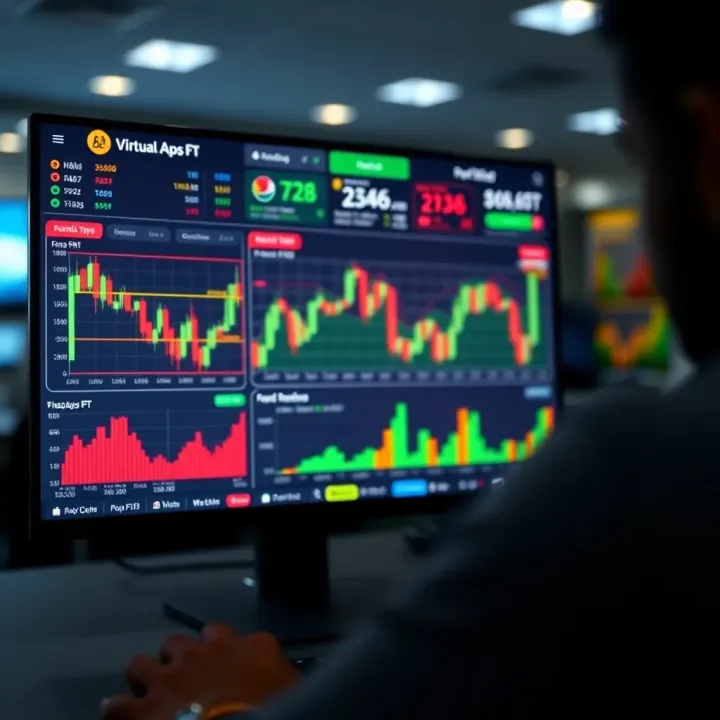
Explore how demo trading apps let Indian investors trade risk-free with virtual money, learn to choose the right app & sharpen your market skills 📱₹
Choose the best trading website for Indian investors with insights on fees, security, tools & investment options 🌐. Ideal for beginners & experienced traders alike.
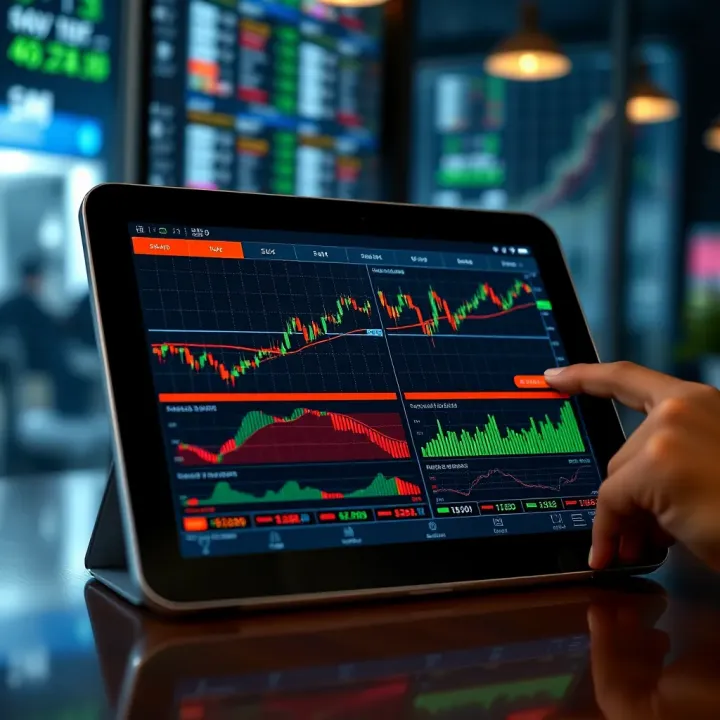
Looking for the best tablet for stock trading in India? Explore top models with crisp displays, reliable performance, long battery life, and seamless compatibility 🤑📈
Based on 8 reviews