
Understanding Real Money Trading Apps in India
Explore how real money trading apps work in India, their benefits, risks, and legal tips for safe trading of virtual items, currencies, and services 💸📱
Edited By
Isabella Wright
Demo trading apps have steadily gained popularity among Indian investors who want to develop trading skills without risking real money. These platforms simulate live market conditions, letting users place buy or sell orders using virtual funds. Whether you are a new trader testing the waters or an experienced investor exploring new strategies, demo apps provide a safe environment to experiment.
The benefits are many. You get real-time market data and a hands-on feel for stock movements, currency pairs, or commodities without the stress of financial loss. For example, an investor in Bengaluru practising equity intraday trading can try different entry and exit points to understand timing better. Similarly, a debutant in Pune can explore mutual funds or ETFs through virtual SIPs on these apps.
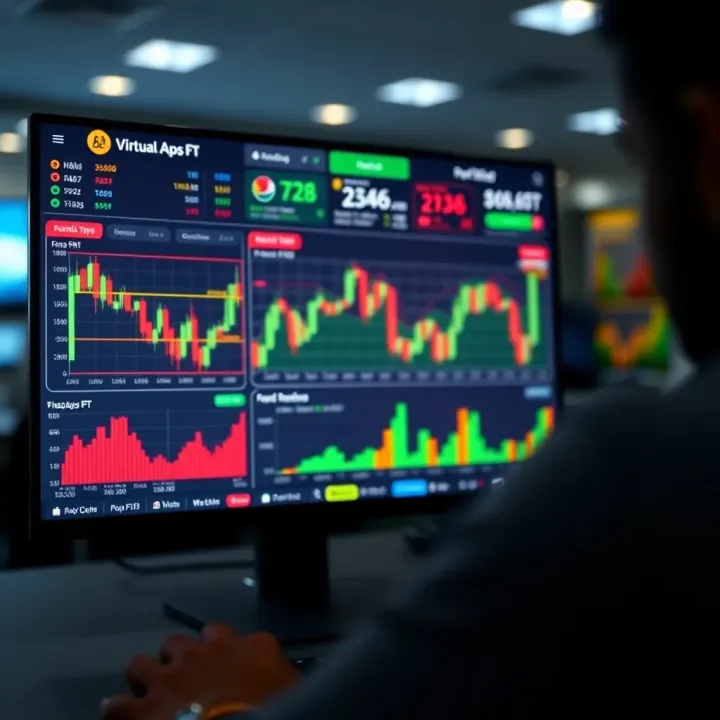
What sets demo trading apps apart are features like live market order books, portfolio tracking, technical charting tools, and market news feeds. This combination mirrors what real trading platforms such as Zerodha or Upstox offer, minus the actual money involved. It is worth noting that while demo trading tries to replicate market behaviour closely, it does not include aspects like slippage, transaction charges, or emotional pressure of real losses.
Using a demo app is like having a trading ground before playing the actual match—it prepares you while protecting your capital.
Key reasons to consider demo trading apps include:
Understanding market mechanics: Learn how orders are placed, executed, and managed.
Testing strategies: Verify methods—say, moving average crossover or RSI indicators—before commitment.
Building confidence: Familiarity with app interfaces reduces mistakes when trading live.
Risk-free learning: Explore market behaviour and trends without financial danger.
Many demo apps come preloaded with virtual funds typically ranging from ₹1 lakh to ₹10 lakh. Users get the chance to manage these sums, giving a taste of managing portfolios of various sizes. Practising regularly also sharpens decision-making skills, helping identify patterns and optimising response time.
While demo apps are helpful, Indian investors should remember that transitioning to real trading requires adapting to market fees, taxes, and psychological impacts. Nonetheless, starting with a demo app significantly cuts down initial hurdles.
This article will explore how to choose the right demo trading app, ways to maximise its use effectively, common challenges faced, and how these tools fit into India's evolving financial market landscape.
Demo trading apps are digital platforms that allow investors to practice buying and selling securities using virtual money, without risking real funds. These apps mirror actual stock market trading environments but use simulated capital, enabling users to test strategies and familiarise themselves with market dynamics before going live. For Indian investors, especially beginners, demo apps offer a safe playground to understand trading without financial pressure.
A demo trading app provides a virtual environment where users can execute trades with fake money. The primary purpose is to educate and train investors, allowing them to gain practical experience without losing actual capital. For instance, an investor can place a buy order for Reliance Industries shares at the current market price using virtual funds, observing how market fluctuations affect their portfolio. This hands-on approach bridges the gap between theory and real-world trading.
These apps replicate live market conditions by streaming real-time market data such as share prices, indices, and volumes. Some platforms incorporate order book depth and allow users to place limit, market, and stop-loss orders, closely mimicking actual trading experiences. For example, if Nifty 50 falls sharply, the virtual portfolio's value adjusts immediately, giving a realistic sense of market volatility. However, while price movements are authentic, factors like order execution speed and slippage might vary compared to real trading.
Demo trading helps beginners develop confidence and refine their trading strategies without financial risk. It teaches critical aspects like reading charts, understanding market trends, and managing virtual funds responsibly. For instance, a new trader can test a simple moving average crossover strategy on a demo app repeatedly until it shows consistent results. This trial-and-error process helps avoid costly mistakes in live markets. Plus, it familiarises users with the interface and technical tools of popular Indian trading apps like Zerodha Kite or Upstox, making the transition smoother.
Using demo trading apps is like learning to drive in a simulator before hitting actual roads — it prepares you for the unpredictable twists and turns of the market without the fear of crashing your capital.
Overall, demo trading apps serve as valuable tools to build trading skills, understand market mechanics, and prepare for live investments in the Indian stock market.
Demo trading apps aim to give users a hands-on feel of the market without risking real money. To serve this purpose, certain key features must be present for the app to be truly useful for Indian investors. These features help bridge the gap between theory and real-world trading, letting you practise and sharpen your skills effectively.
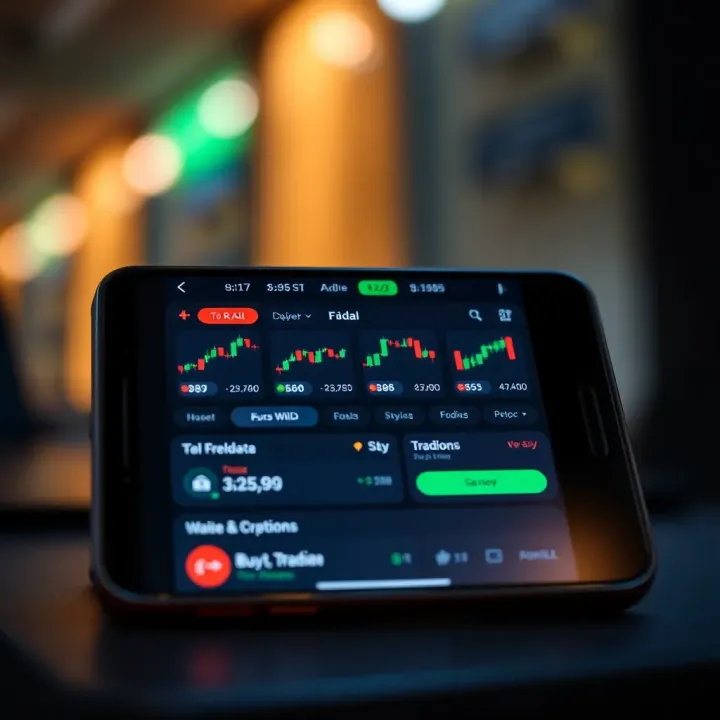
A clean, simple user interface is essential. If the app clutters your screen with too many buttons or confusing menus, it becomes difficult to focus on trading decisions. The app should let you easily browse through stocks, indices, and market segments without unnecessary steps. Consider apps like Zerodha’s Kite or Upstox Pro which are praised for their user-friendly layouts. Smooth navigation saves time, especially when markets are volatile and you need to act fast.
For trading practice to be meaningful, the app must provide live or near-real-time market data from Indian stock exchanges like NSE and BSE. This includes live prices, order book details, and up-to-date charts with technical indicators such as Moving Averages, RSI, and MACD. Without access to such data, you won’t learn how to read market movements or spot trends. Apps that integrate these features, like 5Paisa Demo, tend to give a more realistic market experience.
The core of any demo app is managing virtual funds. You should start with a virtual capital reflecting reasonable amounts, such as ₹5 lakh, to simulate real trading sizes. The app should allow easy buy and sell orders with various types like market, limit, and stop-loss orders. Realistic trade execution speed and transaction costs help understand how trades work in live markets. Some apps even simulate margin calls or trading halts, adding depth to your practice.
Good demo apps don’t just let you trade; they also teach you. Built-in tutorials, video lessons, and market insights enhance your knowledge, especially for beginners. Analytical tools like portfolio performance breakdown, risk assessment, and trade history reports are valuable for evaluating your strategies. For example, Moneycontrol’s demo interface includes educational snippets alongside charts, which helps users connect theory with practice.
A demo trading app that combines ease of use, up-to-date market data, realistic trading capabilities, and educational support can significantly improve your investment preparation. It saves money and boosts confidence before you jump into real trading.
Choosing an app with these features helps Indian traders get practical exposure while understanding the nuances of the local market. This makes the transition to live trading smoother and more strategic.
Selecting the right demo trading app is key to gaining practical experience without risking real money. For Indian investors, prioritising apps that reflect the country's market rules and instruments means your practice will closely match actual trading conditions. A well-chosen app also helps build confidence before moving to live trading.
The demo app should mirror the workings of Indian exchanges like the National Stock Exchange (NSE) and Bombay Stock Exchange (BSE). This means it must provide access to live or near-live data from these exchanges, including accurate order book depth and realistic price movements. For example, Zerodha's Kite Simulator reflects NSE and BSE pricing, helping users understand market timing and liquidity specific to India. Without native compatibility, patterns in volume and price action might differ from real trades, which can mislead beginners.
A demo trading app should be stable with minimal downtime, as interruptions can disrupt learning momentum. Data security matters too since some apps link to your real accounts for seamless transitions to live trading. Ensure the app uses encryption and follows guidelines laid down by SEBI (Securities and Exchange Board of India). For instance, apps integrated with two-factor authentication and biometric login provide extra layers of security, reducing risks of unauthorised access even in a demo environment.
A good demo app lets you practice trading the wide range of instruments and segments available in India, such as equities, derivatives (futures and options), commodities, and mutual funds. It should also include segments like currency trading, which many retail traders explore. ICICI Direct and Upstox demo platforms cover multiple segments, providing a realistic spread of options. This variety lets you test specific strategies relevant to your interests without switching platforms.
Looking at reviews from Indian users helps gauge how well an app performs under local network and regulatory conditions. Feedback often points out hidden issues like latency or outdated market data. Also, prompt and helpful customer support is essential when you face technical trouble or need guidance. Especially for beginners, being able to reach support via chat or phone during trading hours in India makes the learning curve smoother.
Choosing a demo trading app that fits India-specific markets and regulations makes your practice realistic and meaningful, eliminating wasted effort on incompatible or unreliable platforms.
In sum, focus on apps connected to NSE and BSE, backed by solid security and stable performance. Ensure they offer the market instruments you wish to trade and check feedback from Indian users on reliability and support. This approach will prepare you for a smoother transition from demo to live trading in the Indian stock markets.
Using demo trading apps wisely can sharpen your skills without risking real money. But simply clicking around won’t do much good. Here are practical tips that help you turn simulated trades into real learning.
Start by defining clear, achievable targets to guide your practise. For instance, aim to understand how to manage stop-loss orders or test a new strategy under fluctuating market conditions. Avoid chasing huge virtual profits—remember, the goal is to build consistent habits and discipline. Setting daily or weekly objectives, like completing a set number of trades or evaluating certain stocks, keeps your practise focused and productive.
Demo apps offer a safe space to try out diverse strategies before applying them live. You might explore swing trading in NSE-listed stocks or test intraday trades on popular F&O contracts. Monitor how your chosen indicators work, for example, RSI or moving averages, and adjust your approach accordingly. Consistently testing strategies helps identify what suits your style and market context best.
Regularly track your trades and review results critically. Maintain a simple trading journal within the app or offline, noting what worked and where you slipped up. For example, did you exit too early or misread market signals? Reflecting on these patterns builds better decision-making over time. This habit turns demo trading from mere practice to meaningful skill development.
Moving to live markets demands discipline beyond strategy. Use demo trading to simulate real pressures by limiting virtual funds or setting risk parameters like you would with actual capital. Start live trading with small sums to ease into emotions like fear or greed, which demo environments don’t replicate fully. Remember, consistent success on demo platforms doesn’t guarantee identical live trading results but offers a solid foundation.
Practise with purpose and track progress diligently. This approach helps you translate time spent on demo apps into confident, informed live trading.
By following these tips, Indian investors can leverage demo trading apps effectively to prepare for real-market challenges with more confidence and better strategies.
Demo trading apps serve as excellent platforms for practising trades without risking real money. Still, they come with several limitations that investors should know to avoid misunderstandings or pitfalls.
Trading with virtual funds can't fully replicate the emotions you face in real markets. When money at stake is not yours, feelings like fear, greed, and anxiety often don’t hit as hard. For instance, in a demo app, losing ₹50,000 in virtual funds feels like a game loss, but on a live platform, that same loss impacts your financial well-being, triggering caution or panic. These emotional differences affect decision-making, leading beginners to underestimate risks and overtrade when they move to live trading.
Demo apps usually assume trades execute instantly at displayed prices without slippage or partial fills. In actual markets, especially in India’s smaller segments or less liquid stocks, order execution delays or price changes occur frequently. Say you try buying a thinly traded stock like a small-cap on the National Stock Exchange (NSE) during volatile hours; your order might fill at a worse rate or not at all. Demo platforms rarely simulate these scenarios, so users might get an unrealistic picture of market dynamics.
Repeated success on demo trading can lead to overconfidence. When all buy and sell orders succeed without affecting the market or losing real money, traders may develop unrealistic expectations. This mindset often results in taking higher risks or trading aggressively when they switch to real money, which can cause significant losses. It’s important to treat demo trading as a learning ground rather than a predictor of guaranteed success.
Demo trading apps are valuable educational tools but recognising their limits helps avoid surprises when stepping into live markets.
In summary, traders should use demo apps to understand mechanics and test strategies but remain mindful of emotional and operational gaps. Balancing demo practice with exposure to live market realities is key for becoming a confident investor in India’s financial markets.
Explore how real money trading apps work in India, their benefits, risks, and legal tips for safe trading of virtual items, currencies, and services 💸📱
Explore RBI approved trading apps in India: learn how to spot secure platforms, check regulations, and get practical tips for safer stock investments 📱📈

Explore Qutex trading 📈 with this detailed guide—learn core concepts, setup, execution & risk management to trade smartly in India’s market 🇮🇳.
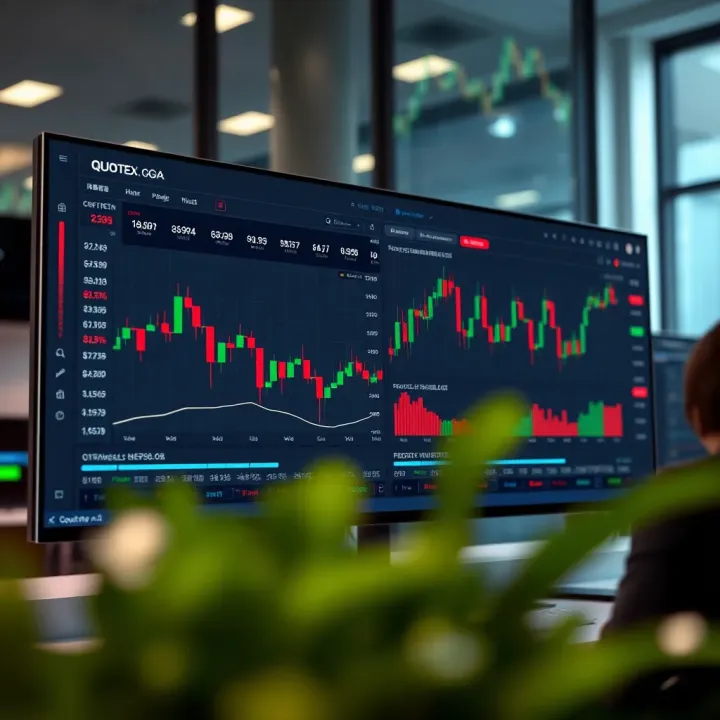
📈 Explore Quotex trading essentials, from platform features to risk management tips, helping Indian traders start smart and trade confidently.
Based on 9 reviews