

Understanding Demo Forex Trading: A Practical Guide
Learn how demo forex trading helps Indian traders practise with zero risk 📈. Build skills, choose the right account, and transition safely to live forex trading ₹.
Edited By
Amelia Walsh
Demo share trading offers a risk-free space to learn how the stock market works without losing real money. For beginners, this practice is invaluable, as it familiarises them with trading platforms and market mechanics before stepping onto the actual trading floor.
A demo account simulates real trading environments. It provides virtual funds to buy and sell shares, reflecting live market prices. This means you can build strategies and test ideas without the worry of financial loss. For instance, if you want to try day trading or experiment with technical indicators, demo trading lets you do that safely.

Beginners often underestimate the value of demo trading; it not only teaches the 'how' but also helps build the confidence needed to trade with real money.
Practical Experience: It lets you get hands-on with real-time market data and features such as order types and watchlists.
Risk Management: You can learn to manage losses and profits, practising stop-loss and profit booking.
Platform Familiarity: Indian brokers like Zerodha, Upstox, and ICICI Direct offer demo accounts, helping users navigate their tools efficiently.
Trading on these platforms exposes beginners to market volatility and timing strategies. For example, if you place a virtual order to buy shares of Reliance Industries when the price dips, you can observe how the price reacts without any actual loss.
Learning this way prevents costly mistakes when real money comes in. It also helps you understand trading costs such as brokerage and taxes, even if these are simulated or calculated on the virtual trades.
In summary, demo share trading acts as a stepping stone, giving you practical exposure and confidence before investing your hard-earned rupees. It fits perfectly into an investor’s journey, especially if you plan to explore the Indian stock market actively.
Demo share trading provides a risk-free environment to learn the ropes of the stock market without risking actual money. It lets beginners understand how trading works by simulating real market scenarios using virtual resources. For new traders, it acts as a practical playground to practise making buy and sell decisions, test strategies, and get familiar with trading platforms before investing real capital.
Simulated trading environment imitates real share market conditions through software that mimics buying and selling of shares without involving real funds. This simulation replicates price fluctuations, order management, and trade execution just like live markets. For example, in a demo platform tied to the National Stock Exchange (NSE) data, the prices you see move exactly as they do on the live screen, letting you learn the timing and process of entering or exiting trades.
The educational role for beginners is central to demo trading’s appeal. Beginners can experience making share trades, watching price movements, and managing a portfolio risk-free. It helps them understand stock market concepts like market orders, limit orders, stop loss, and how external events impact prices. Instead of just reading theory, they interactively build skills using real-time examples, which significantly boosts confidence and reduces errors when they switch to live trading.
Use of virtual money means the funds shown in your demo account are imaginary, so you won’t lose real cash on mistakes. Instead, you can experiment freely with different stocks, sectors, and trade sizes. For instance, if you want to try intraday trading of shares like Reliance Industries or Infosys, you can place orders worth ₹1 lakh virtual funds without worrying about losses.
Live market data integration ensures the demo platform updates share prices and indices in real time, linked to actual market data sources. This feature makes practicing more realistic because the charts and price movements reflect live trends, news impact, and volatility. Whether it’s a sudden market rally or a dip due to RBI announcements, you’ll see those effects mirrored instantly.
Order types and execution on demo accounts mirror real trading systems. You get to practise with different order formats such as market orders, limit orders, and stop-loss orders to manage risk and automate exits. For example, placing a limit order to buy Tata Motors shares at ₹350 tests if you can enter trades at your chosen price. While execution speed might differ slightly due to the absence of actual market matching, these mechanics sharpen understanding of order flow and control.
Practising on demo accounts helps you build muscle memory and gain clarity on how market dynamics work, which no textbook can offer. It’s the first step every trader should take before stepping into live markets.
In short, demo share trading is a practical, hands-on introduction to stock markets that blends live data, simulated capital, and authentic trading actions, allowing beginners to learn, fail safely, and prepare well for real trading challenges.
Demo trading accounts provide a risk-free space to learn and sharpen trading skills before entering the real stock market. For new traders, this avoids the steep learning curve where financial losses are common. By practising with virtual money, beginners can understand market dynamics, try out different approaches, and gain confidence without the pressure of losing actual funds.
Practising buying and selling shares is the foundation of demo trading. You can experiment with placing orders on real-time market prices without risking your capital. For example, you might buy shares of Reliance Industries during a demo session to see how the prices fluctuate and how swiftly you can execute trades on the platform. This live practice helps build muscle memory for entering and exiting positions smoothly.
Moreover, testing trading strategies on demo accounts allows you to refine your approach. Suppose you develop a plan to buy shares after certain technical signals appear, like moving average crossovers. The demo account lets you test this strategy across different market conditions and adjust it without any monetary consequences. This trial-and-error process is critical for identifying what works before committing real money.
Familiarity with trading platforms is another key benefit. Indian trading platforms like Zerodha’s Kite or Upstox provide demo accounts that simulate their full features. Spending time on these helps you navigate order types, charts, and reports comfortably. This familiarity reduces hesitation and mistakes when you switch to live trading.
Understanding market movements in a practical setting is equally important. Demo trading lets you observe how stocks react to news, earnings, or economic data like RBI policy announcements. Watching these moves closely enhances your ability to read the market and anticipate trends. Over time, this experiential learning sharpens decision-making, so you don’t panic or hesitate when real traders react swiftly to market shifts.

Demo share trading bridges the gap between theory and real-world action, making it a must for anyone serious about trading shares in India’s stock markets.
In short, demo accounts help you learn the ropes, validate your strategies, and build the confidence needed to start trading live, all without risking your hard-earned money.
Demo share trading offers a safe, simulated environment for beginners, but it is crucial to understand how it differs from actual trading. These differences impact how traders behave and make decisions when real money is involved. Recognising these gaps helps you prepare better before entering live markets and avoid common pitfalls.
When trading with a demo account, you use virtual cash, so there is no actual financial risk. This lack of real money changes behaviour significantly. For example, while a demo trader might take bold positions frequently, real money trading often makes people cautious to avoid losses. The stakes feel concrete when your own capital is involved, influencing your decision-making. Traders with real money on the line may hesitate to follow through with strategies they confidently tested with demo funds.
Besides financial risk, the pressure of live trading induces emotions like fear, greed, and anxiety. This psychological burden affects how traders react to market swings. For instance, a sudden market dip may trigger panic selling, even if your plan was to hold. Demo accounts do not replicate this stress, so emotional responses remain untested there. Understanding your reactions under pressure is key; practising mindfulness or journalling can help manage these feelings in real trading.
In demo accounts, orders often execute instantly at expected prices, which is rarely the case in reality. Real markets may experience slippage, where the price at execution differs slightly from your order price, especially during high volatility or low liquidity. For example, intending to buy shares at ₹500 might end up costing ₹505 due to slippage. Such differences affect profits and losses but are not usually replicated in demo trading, potentially causing surprises for new traders.
Liquidity, or how easily assets can be bought or sold without impacting prices, varies between demo and live environments. Demo platforms often assume ideal liquidity, allowing large trades without price changes. In contrast, the Indian stock market may see lower liquidity for certain stocks, particularly in smaller companies listed on the Bombay Stock Exchange (BSE). This means real orders could face delays or partial fills. Appreciating this gap ensures traders set realistic expectations and choose stocks with adequate liquidity when transitioning from demo to live trading.
Knowing these limitations helps novices bridge the gap between practice and reality. It allows better preparation, reducing shocks and improving strategy effectiveness when real money is at play.
Understanding these key differences is essential before you risk capital in the live market. While demo trading builds foundational skills, acknowledging its constraints sharpens your readiness for real share trading in India.
Selecting a good demo trading platform is key to gaining practical experience before committing real money. The right platform shapes how effectively you can test strategies, get familiar with market data, and understand order execution. It pays to look beyond just flashy features and focus on usability, local market access, support, and reliability.
Ease of navigation defines how smoothly you can operate the platform. For beginners especially, a clutter-free layout reduces confusion and helps focus on core tasks like placing orders or reading charts. Platforms with simple menus and intuitive dashboards let you spend more time trading rather than hunting for functions.
Take an example from Zerodha’s Kite demo account—its clean interface allows newcomers to easily track share prices, select order types, and monitor portfolios without overwhelming pop-ups or hidden settings. This ease encourages habitual practice which builds skill.
Availability of educational resources adds enormous value. Platforms that bundle tutorial videos, articles, and interactive guides offer guided learning alongside trading simulations. This helps bridge knowledge gaps faster.
For instance, Upstox’s demo platform includes educational modules explaining basic concepts like candlestick patterns or margin calls. These resources empower beginners to connect theory with practice, making the trading experience more cohesive and less daunting.
Integration with NSE and BSE data is crucial for demo platforms targeting Indian traders. Real-time or near real-time stock price feeds from the National Stock Exchange (NSE) and Bombay Stock Exchange (BSE) ensure simulation reflects actual market conditions.
Platforms lacking this integration often use delayed or generic data, which can mislead test trades and skew learning outcomes. When you trade with live NSE or BSE data, you witness how Indian market volatility and trends affect stock prices, giving more authentic experience.
Currency and stock availability matter as well. A good demo account offers Indian rupee (₹) based transactions and access to a wide range of stocks traded on domestic exchanges. This setup allows you to practise with familiar assets such as Reliance Industries, Infosys, or Tata Steel shares.
Without native currency and share options, practising would feel detached from reality. Not every platform supports Indian markets comprehensively, so ensure the demo platform caters specifically to India’s stock ecosystem.
Timely assistance during demo trading can save you from getting stuck on technical issues. Responsive customer support helps beginners troubleshoot problems like login glitches or order placement errors quickly.
For example, if the platform’s chat or phone support resolves your queries promptly, you maintain momentum in learning and avoid frustration. Poor or delayed support can discourage you from exploring different features.
Stable platform uptime affects the availability of your demo account. Downtimes or frequent crashes disrupt practice sessions, breaking your learning flow and potentially causing missed trading opportunities.
Reliable platforms guarantee high uptime percentages, ensuring you can access live market data consistently during trading hours. Stability also reflects their readiness to handle real customers when you upgrade to a live account.
Picking the right demo platform means balancing ease of use, local market integration, solid support, and dependable performance. This foundation makes your practice sessions productive and prepares you well for stepping into real share trading.
Starting with a demo share trading account is the best way to learn stock market trading without risking real money. These accounts give you the chance to understand trading mechanics, try different strategies, and get comfortable with the market environment. This section explains the practical steps to begin trading on a demo platform, helping you to build skills that you can later apply when you move to live markets.
Registration process: Opening a demo account typically involves a straightforward signup on a broker’s website or app. You'll need to provide basic details such as your name, email, and phone number. Some brokers may ask for additional details related to financial knowledge or experience, aiming to tailor the learning experience. This simple registration lets you explore the platform without the hassle of full KYC (Know Your Customer) procedures, which are required only when you switch to live trading.
Setting up virtual funds: Once registered, brokers credit your demo account with virtual money, usually ₹5 lakh or ₹10 lakh, reflecting a realistic trading budget. You can use this to buy and sell shares, test different order sizes, and experience the impact of profits or losses on your virtual portfolio. Setting up virtual funds this way helps you grasp money management basics and the consequences of risk and reward without financial pressure.
Executing different order types: Demo accounts let you place various order types such as market orders, limit orders, stop-loss, and bracket orders. This practice is vital because every order type serves a distinct purpose in risk management and trade execution. For example, a limit order helps you buy shares only when the price hits your target, while stop-loss orders limit your downside risk. Knowing how to use these orders through demo trading builds solid groundwork before entering the real markets.
Analysing profit and loss reports: Tracking your trades means reviewing daily or weekly profit and loss (P&L) summaries within the demo interface. These reports help you understand which stocks or strategies work well and which don't. By monitoring gains and losses, you learn how market fluctuations affect your portfolio’s value and how timely decisions based on data can improve overall outcomes.
Tracking trade outcomes: Every trade you place in a demo account provides useful data on how your strategy performs. By noting the outcomes of individual trades, including entry and exit points, you detect patterns of success or failure. This ongoing tracking is key to identifying mistakes or habits that might cost you in live markets, such as exiting too early or holding on during a downtrend.
Making adjustments based on insights: After analysing trade outcomes, you refine your approach by changing parameters like stop-loss limits or profit targets. For instance, if you notice a consistent loss during volatile market hours, you might decide to avoid trading at those times. Adjustments help you tailor your strategy to fit real-life conditions and personal comfort with risk. Demo trading thus acts as a laboratory for experimentation without financial consequences.
Starting your demo trading journey with clear steps helps you build a strong, practical foundation. It reduces costly mistakes later and boosts confidence before handling real money in the stock market.
Making the shift from demo share trading to real markets is a crucial step for any beginner. The hands-on experience gained through demo accounts serves as a foundation, but real trading brings its own set of challenges and rewards. Practical considerations like financial risk, emotional control, and regulatory requirements come into play. Understanding these aspects helps in smoothly moving to live trading without unnecessary setbacks.
Consistent profitability in demo trades is a good starting point to gauge readiness for real trading. If you've tested your strategies multiple times on a demo platform and are seeing steady profits rather than luck-based wins, it signals that your approach has potential. For example, if a trader consistently gains profits over two to three months on a demo account, it suggests a reasonable understanding of market dynamics and strategy execution.
However, profitability alone isn't enough. You also need to focus on understanding risks and money management. Demo trading often doesn’t fully capture the impact of losses on the trader’s psyche since no actual money is at stake. Managing your position size and using stop-loss orders are essential skills. Real markets demand discipline to avoid impulsive decisions that could wipe out capital. For instance, setting a maximum risk of 2% per trade helps protect your investment from sudden market moves.
Before you start live trading, completing KYC (Know Your Customer) requirements and documentation is mandatory. This involves submitting identity proofs such as Aadhaar card, PAN card, address proof, and sometimes income statements. These checks ensure compliance with regulations set by the Securities and Exchange Board of India (SEBI), aiming to prevent fraud and illegal trading.
Once your account is verified, linking your bank account and funding becomes essential. Brokers usually require a verified bank account to transfer funds and settle transactions. This step enables smooth deposit and withdrawal of money for trading. For example, linking your SBI savings account ensures quick fund transfers using NEFT or RTGS, which is vital for timely execution of trades.
One major difference between demo and live trading is handling real emotions. Controlling impulsive decisions means sticking to your plan even when markets fluctuate wildly. Many new traders lose money by jumping in or out based on fear or hype. Creating a rule-based approach prevents emotional overreactions. For instance, avoiding trades outside of your strategy prevents chasing losses or entering trades based on tips.
Alongside this, setting realistic goals keeps your trading journey grounded. Expecting to double your investment overnight is neither practical nor sustainable. Focus on steady, small gains and gradual improvement. A reasonable goal might be aiming for 5-7% returns every quarter, which helps build confidence and conserves capital.
Transitioning carefully to live trading with solid preparation increases your chances of success and long-term growth in the stock market.
This gradual shift from demo to real trading lets you apply your skills effectively, understand market behaviour, and grow as a trader without undue stress or losses.
Learn how demo forex trading helps Indian traders practise with zero risk 📈. Build skills, choose the right account, and transition safely to live forex trading ₹.
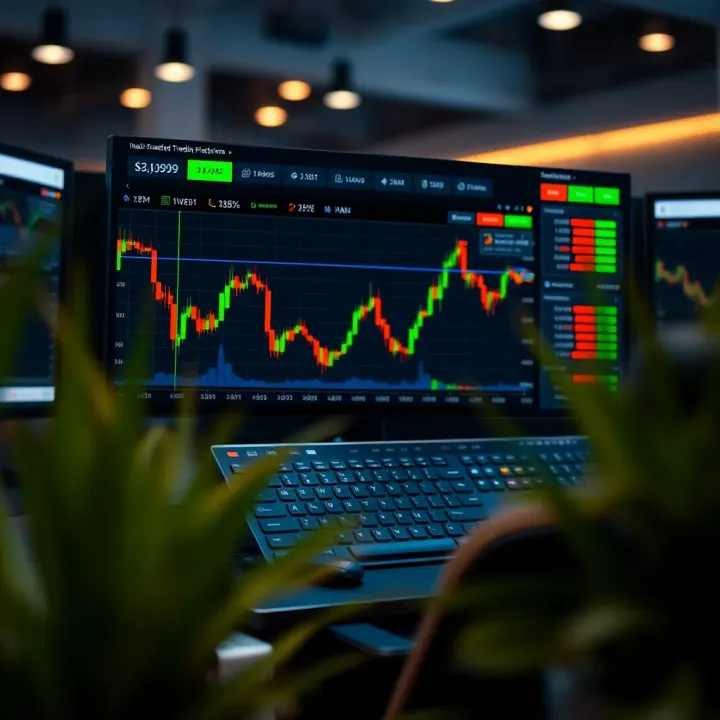
Explore how demo trading platforms let Indian investors practise risk-free using virtual funds 📈. Understand features, benefits, and tips before real investing to build confidence wisely.

Explore Qutex trading 📈 with this detailed guide—learn core concepts, setup, execution & risk management to trade smartly in India’s market 🇮🇳.

Explore the full form of BOS in trading 📈 and its key role in spotting trends, boosting strategies, and avoiding pitfalls for smarter market analysis.
Based on 14 reviews