

Understanding Quotox: Key Features and Uses
Explore Quotox's standout features, practical applications & benefits in detail. Learn how Quotox enhances efficiency and supports diverse uses across India 🚀📊
Edited By
Emma Clarke
Crypto NFTs, or non-fungible tokens, have emerged as a hot topic in both digital finance and online art circles. Unlike cryptocurrencies such as Bitcoin or Ethereum, NFTs represent unique digital assets that cannot be exchanged on a one-to-one basis. This distinctiveness makes them ideal for proving ownership of digital items like artwork, collectibles, music, or gaming assets.
The technology behind NFTs is primarily based on blockchain, with Ethereum being the most popular platform. Each NFT has a unique identifier stored on the blockchain, ensuring its authenticity and scarcity. This prevents duplication and provides transparent proof of ownership, something that traditional digital files cannot offer.

For traders and investors, NFTs present a new asset class that blends technology with creativity. Indian marketplaces, including platforms like WazirX NFT and Binance NFT, have started gaining traction, providing users access to both local and global NFT ecosystems. Entrepreneurs see opportunities in creating NFT-based services for industries such as entertainment, sports, and education.
NFTs have practical uses beyond art and collectibles. For example, in gaming, NFTs allow players to own, trade, or sell in-game items with real value. Digital real estate in virtual worlds or music royalties tokenised as NFTs open avenues for novel income streams.
Understanding the Indian context is crucial here. The regulatory environment for crypto and NFTs remains uncertain, with the government contemplating clear frameworks around taxation, ownership rights, and Anti-Money Laundering (AML) compliance. Environmental impact concerns related to blockchain's energy consumption also add layers to the conversation, prompting exploration of energy-efficient blockchain alternatives like Polygon or Tezos.
NFTs create verifiable digital scarcity, a concept that reshapes ownership and investment in India's burgeoning digital economy.
Key points to note:
NFTs are unique digital tokens stored on blockchain
They differ from cryptocurrencies by representing single, non-interchangeable assets
Use cases include digital art, gaming, virtual property, and more
Indian NFT markets are developing but face regulatory and environmental questions
This understanding sets the stage for deeper insights into how NFTs influence digital ownership, market behaviour, and the challenges ahead in India and beyond.
Understanding the basics of crypto non-fungible tokens (NFTs) is essential for anyone exploring digital assets, whether investors, traders, or entrepreneurs. NFTs represent a unique form of digital ownership secured by blockchain technology, which differentiates them clearly from conventional cryptocurrencies like Bitcoin or Ethereum. Grasping these fundamentals helps identify their practical uses and limitations, especially in the fast-moving world of digital collectibles and tokenised assets.
Fungibility means interchangeability. For example, one ₹500 note is equivalent to another ₹500 note and can be exchanged without loss of value. Cryptocurrencies like Bitcoin are fungible because each unit holds the same value as another. NFTs, by contrast, are non-fungible — each token is unique and cannot be swapped on a one-to-one basis with another. Think of NFTs like owning an original painting compared to owning copies; the original carries distinct value due to its uniqueness.
This distinctiveness has practical uses, such as in art, collectibles, or real estate tokenisation. When you buy an NFT, you buy a digital certificate proving your exclusive ownership of a specific asset. This can be anything from digital art on platforms like OpenSea to virtual land in blockchain-based games.
The role of blockchain in NFTs is central. Blockchain is a public ledger that records every transaction transparently and securely. The uniqueness and ownership details of an NFT are written onto this ledger, preventing forgery or duplication. This technology ensures that NFT ownership is verifiable globally without requiring intermediaries, making transactions trustless and efficient.
Ethereum is the pioneering blockchain behind most NFT activity, thanks to its support for smart contracts—self-executing agreements that define the rules of an NFT. Besides Ethereum, other blockchains such as Polygon, Binance Smart Chain, and Flow have also become popular for NFTs due to their lower transaction costs and faster processing times. Choosing the right blockchain affects the cost and speed of minting NFTs, both crucial considerations for creators and buyers.
Smart contracts use token standards like ERC-721 and ERC-1155, which define how NFTs behave across platforms. ERC-721 tokens represent a single unique asset, perfect for individual artworks or collectibles. ERC-1155, meanwhile, allows grouping multiple tokens—both fungible and non-fungible—in one contract, which suits gaming assets where players might own several copies or variations.
These standards enable interoperability; an NFT minted on Ethereum using ERC-721 can be recognised by marketplaces and wallets supporting that standard. This universality streamlines trading and opens up wider markets, benefiting creators and investors alike.
NFTs leverage blockchain and smart contracts to bring verifiable and transferable uniqueness to digital assets, empowering new business models and investment opportunities.
In summary, knowing what NFTs are and how blockchain technology supports them equips you to better evaluate investment or business plans involving these tokens. Understanding token standards and blockchain options also helps optimise costs and accessibility in the NFT ecosystem.
Understanding the difference between NFTs (non-fungible tokens) and cryptocurrencies is essential for anyone looking to navigate the crypto space confidently. While they share blockchain as a common foundation, their purposes and characteristics diverge significantly. This distinction helps traders, investors, and entrepreneurs realise where value lies and how to use each asset effectively.
Cryptocurrencies like Bitcoin (BTC) or Ethereum (ETH) are fungible, meaning one unit is exactly the same as another. You can exchange one Bitcoin for another without any difference in value, just like one ₹100 note for another ₹100 note. NFTs, by contrast, are unique digital assets. Each NFT carries distinct information or metadata that sets it apart, comparable to owning a rare stamp or signed cricket bat. This uniqueness underpins the value proposition of NFTs as proof of ownership for digital or physical items.
The practical relevance surfaces when deciding investment or use cases. Cryptocurrencies serve well for payments and store of value, but NFTs represent individual items that cannot be subdivided or swapped on a one-to-one basis. For example, an NFT artwork sold on OpenSea has specific characteristics and provenance that no other token can replicate.
Cryptocurrencies primarily function as mediums of exchange, investment vehicles, or stores of value, often likened to digital currencies. Their value is driven by supply-demand dynamics and wider adoption for transactions. NFTs, meanwhile, offer a way to verify ownership and authenticity of assets like art, music, and collectibles on the blockchain.
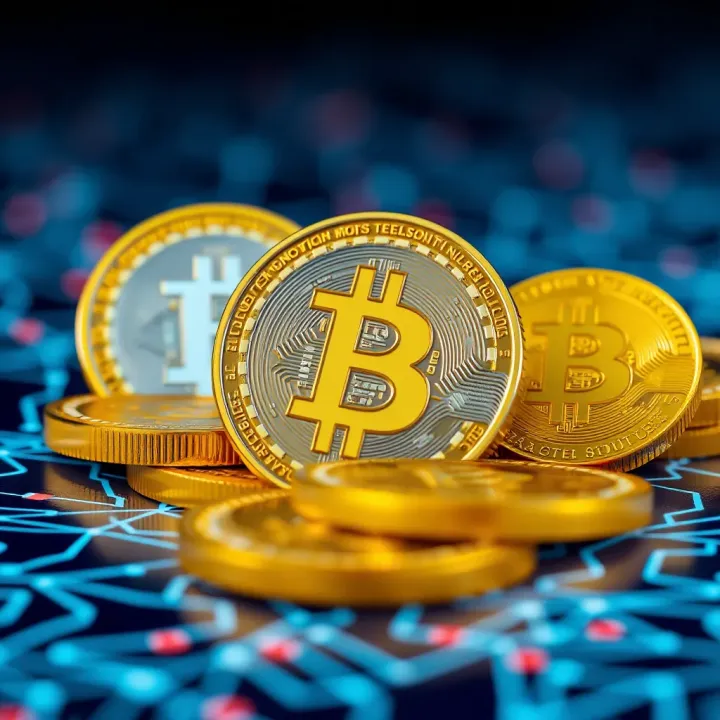
This distinction matters for entrepreneurs exploring product ideas or investors weighing portfolio diversification. While cryptocurrencies offer liquidity and ease of transfer, NFTs provide access to markets requiring verifiable uniqueness, such as digital art auctions or selling unique in-game assets.
NFT platforms usually operate via cryptocurrencies as payment modes. Ethereum remains the dominant currency for buying NFTs, but others like Polygon and Binance Smart Chain have gained traction due to lower fees. This complementary relationship means investors need to hold cryptocurrencies to participate in NFT ecosystems.
For instance, an investor buying an NFT digital collectible on a marketplace like Rarible must use Ethereum tokens or compatible cryptos for payment. This interdependence also spurs trading volume and liquidity in cryptocurrency markets.
NFTs can represent ownership of real-world or digital assets, opening up new avenues for tokenisation. Meanwhile, cryptocurrencies provide liquidity and ease of transfer. A luxury property in Mumbai, for example, could be tokenised as NFTs representing shares in ownership, and these tokens could be bought or sold using cryptocurrencies.
This combination improves access to markets previously dominated by high entry barriers. Investors can trade fractions of expensive assets, broadening participation and creating new value chains. The ability to trade both NFTs and cryptocurrencies seamlessly is paving the way for innovative financial instruments.
NFTs and cryptocurrencies serve distinct but complementary roles. Knowing their differences and how they work together helps investors and entrepreneurs tap into the wider digital economy meaningfully.
NFTs (non-fungible tokens) have moved beyond just a digital curiosity; they now impact multiple industries with real-world uses. Their ability to provide proof of ownership and unique digital identity is transforming how assets and rights are managed online. Investors, entrepreneurs, and market analysts should pay attention to these shifts, as NFTs open new avenues for monetisation and innovation.
NFTs as proof of ownership
NFTs act as digital certificates proving who owns a specific piece of content, mostly in art and collectibles. Unlike traditional art, where provenance can be unclear or manipulated, NFTs guarantee authenticity and ownership through blockchain records. This helps artists receive royalties automatically every time their work is resold, addressing a long-standing challenge in the art world.
Examples from Indian and global markets
In India, artists like Riyas Komu and Sutu have sold NFT artworks emphasizing cultural heritage, gaining new revenue streams. Globally, platforms like OpenSea and Rarible facilitate NFT sales, with some artworks reaching millions in auctions. These markets highlight how NFTs attract collectors valuing digital uniqueness combined with secure ownership.
NFTs in game assets and characters
NFTs allow gamers and developers to truly own in-game assets, such as skins, weapons, or characters. Instead of being confined to a single game server, these NFTs can be traded or sold on various platforms, adding liquidity to otherwise locked digital items. Games like Axie Infinity have demonstrated this model, where players earn real income by trading NFT assets.
Impact on player economies
Another significant effect is on player-driven economies. When assets have verified ownership and can be resold, players treat games as part entertainment, part investment. This fuels vibrant secondary markets but also requires new regulation and economic understanding, as seen in India's debates around gaming and digital assets.
Music and entertainment
Musicians and creators use NFTs to offer limited edition content, concert tickets, or exclusive access, bypassing traditional intermediaries. In India, independent artists are experimenting with NFT releases to build direct connections with fans and monetise better. International stars also engage their audiences this way, merging digital ownership with fan experiences.
Certification and identity verification
NFTs have begun proving identities and credentials digitally. Academic certificates, professional licences, and event passes issued as NFTs can reduce fraud and ease verification in government and private sectors. Integration with India's digital ID frameworks like Aadhaar could help scale this securely, though privacy and policy frameworks are still evolving.
NFTs blend the physical and digital worlds in ownership and value, shaping how industries innovate and consumers interact with digital assets. Staying updated on practical applications will be key for those tracking market and tech trends.
This makes NFTs a topic of growing interest not just among collectors but across finance, law, technology, and creative industries in India and beyond.
NFTs have garnered significant attention in recent years, but alongside their promise come several challenges and risks that traders, investors, and entrepreneurs should carefully consider. Understanding these can help mitigate losses and navigate this complex space more confidently.
India currently lacks a comprehensive regulatory framework specifically for NFTs. While cryptocurrencies face increasing scrutiny from the Reserve Bank of India (RBI) and Securities and Exchange Board of India (SEBI), NFTs remain in a grey area. This uncertain landscape makes it risky for investors and businesses wanting to engage in NFT trading or launch NFT-related projects. For instance, uncertainty about taxation or classification of NFTs as digital assets complicates compliance and business planning.
NFTs often represent digital art, music, or other creative content, but ownership of an NFT does not always guarantee copyright rights. Cases have emerged where NFTs sold without the creator's consent led to legal battles over intellectual property (IP). For Indian artists and global creators alike, this raises concerns about protection and enforcement. Buyers need to verify if the NFT includes rights to reproduce or commercialise the underlying asset, otherwise disputes may arise.
NFT prices can swing wildly within short periods, driven by hype cycles or celebrity endorsements. For example, some NFT collections have seen rapid price gains followed by steep crashes, leaving late investors at a loss. This volatility makes NFTs more suitable for speculative trading rather than long-term investment without deep market understanding. Traders must stay alert to market sentiment shifts and avoid succumbing to hype-induced FOMO (fear of missing out).
The NFT market has seen its share of frauds including fake NFT listings, phishing attacks, and rug pulls. Some scammers impersonate artists or create counterfeit NFTs to trick buyers. For instance, cases where scammers sold NFTs of content they do not own have been reported globally. Investors should exercise caution by verifying NFT provenance on trusted platforms and avoid deals outside official marketplaces.
The underlying blockchain technology, especially Ethereum’s proof-of-work model, consumes significant energy. Creating or trading NFTs on such networks adds to the carbon footprint, attracting criticism from environmentally conscious investors and regulators. This environmental cost has practical implications, as it may provoke stricter regulations or affect public perception toward crypto assets including NFTs.
The blockchain industry is actively working on solutions like Ethereum’s transition to proof-of-stake (Ethereum 2.0), which drastically lowers energy use. Some NFT marketplaces now partner with greener blockchains like Polygon or Solana, appealing to eco-aware users. Entrepreneurs and investors should consider these platforms when entering the NFT space to align their ventures with sustainable practices.
Understanding these challenges helps demystify the NFT space and points to careful strategies for those keen to participate.
The regulatory framework in India for NFTs is still emerging; compliance remains complex.
Intellectual property rights do not automatically transfer with NFT ownership.
Market hype makes NFT prices volatile, inviting speculative risks.
Scams are prevalent, necessitating cautious engagement.
Environmental concerns affect blockchain choices and future NFT viability.
Being aware of these factors can aid financial advisors and investors in making informed decisions and advise clients accurately on this dynamic market.
NFTs have gained considerable attention globally, but their future in India holds unique promise due to the country’s evolving digital infrastructure and demographic advantages. Understanding these prospects helps investors and entrepreneurs spot emerging opportunities while anticipating challenges in this still-nascent market.
India Stack, a set of APIs facilitating digital interactions, includes Aadhaar-based authentication and DigiLocker for document storage. Integrating NFTs with these systems could enable secure ownership proof and seamless verification for digital assets. For instance, an artist could link NFT ownership to their DigiLocker profile, providing instant authenticity checks without third-party interference.
This integration would also benefit financial services by allowing NFT-backed assets to connect smoothly with digital payments through UPI (Unified Payments Interface). Such a setup improves transparency and trust during transactions, encouraging wider adoption of NFTs beyond speculative trading.
NFT technology could disrupt traditional property transactions by issuing NFT titles representing physical real estate ownership. This offers faster, tamper-proof transfer of ownership and reduces paperwork. Several startups in India are experimenting with tokenising land records on blockchain to make transfers faster and minimise fraud, which could revolutionise the sector if adopted more broadly.
In education, NFTs can certify degrees, diplomas, or professional credentials as unique digital assets. This helps prevent forgery and simplifies verification processes for employers or institutions. For example, universities issuing NFT certificates could allow graduates to prove their qualifications instantly during job applications or further studies.
India currently lacks specific regulations covering NFTs, leading to uncertainty for creators, investors, and marketplaces. Without clear policies, risks of intellectual property disputes, tax challenges, and money laundering concerns remain high. Policymakers must address these gaps promptly to build confidence and protect stakeholders.
Clear guidelines on NFT categorisation—in terms of assets, securities, or commodities—would help businesses comply with legal norms. It also aids financial advisors in guiding clients about risks, tax treatments, and safe investment practices.
Coordination between the government and private sector is vital for nurturing the NFT ecosystem. The government can pilot NFT use cases in public services or cultural heritage to foster broader acceptance. Industry bodies can help develop standards and self-regulatory frameworks to complement official regulations.
Collaborations could bring together blockchain startups, banks, and legal experts to create accessible platforms that combine efficiency with user protection. Such efforts reduce barriers for traders and investors to explore NFTs with informed caution.
Clear, consistent support from regulators and proactive partnerships will determine how NFTs evolve in India’s digital economy. Those watching this space should monitor policy developments closely while evaluating NFT ventures with a balance of optimism and prudence.
Explore Quotox's standout features, practical applications & benefits in detail. Learn how Quotox enhances efficiency and supports diverse uses across India 🚀📊

Explore exclusive markets, where scarcity and tailored offerings create unique value. Learn about their features, benefits, challenges, and role in India's economy 🛍️📊.

📈 Understand derivatives in finance: their types, purposes, risks & role in risk management, trading strategies & regulations in Indian & global markets.
Explore Qutex in detail: its definition, applications across industries, key advantages, challenges, and future outlook. Gain insights with clarity 📊🔍.
Based on 5 reviews