

Understanding Range Markets for Traders
🔍 Understand range markets, spot patterns, and trade smartly with practical tips, risk management, and tools to thrive in sideways markets.
Edited By
Oliver Hughes
Exclusive markets are specialised economic spaces where participation and access are deliberately limited. These markets thrive on scarcity and tailored offerings, making goods or services available only to select groups such as high-net-worth individuals, niche industries, or exclusive memberships.
Unlike mass markets, exclusivity here creates value by controlling supply and crafting unique experiences. For example, premium watch brands like Rolex limit production and retail only through authorised dealers, maintaining exclusivity and high demand. Similarly, private equity funds in India often restrict investor participation to accredited or institutional investors.
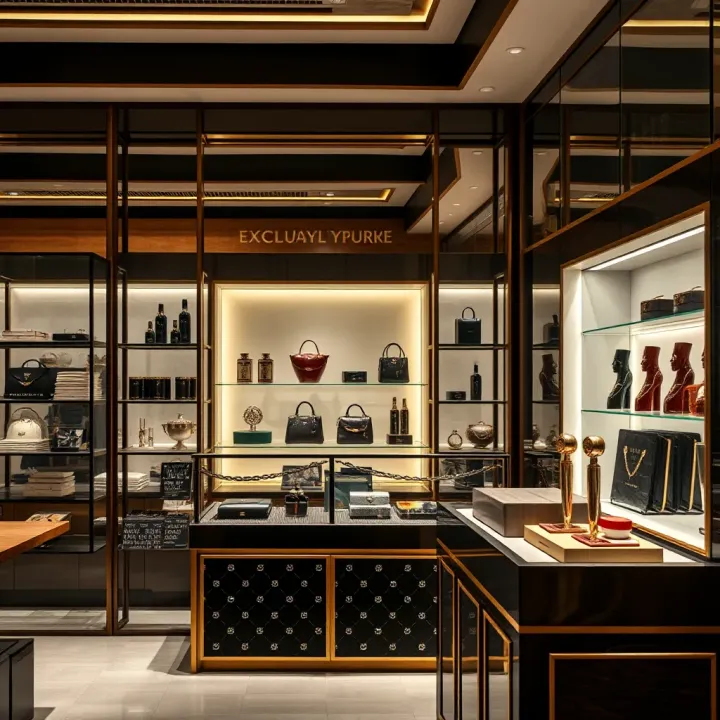
Exclusive markets often rely on a combination of social status, limited availability, and bespoke offerings to justify higher pricing and customer loyalty.
Restricted Access: Participation is capped either by eligibility criteria, membership, or selective distribution.
Scarcity & Limited Supply: Products or services aren’t mass-produced. This generates desirability and often premium pricing.
Tailored Experiences: Offerings are customised or personalised, such as luxury fashion brands providing bespoke fittings.
High Entry Barriers: Investment thresholds, certifications, or invite-only platforms restrict participation.
Premium Pricing Opportunities: Limited availability allows sellers to command significant markups.
Stable Customer Base: Exclusivity fosters brand loyalty and repeat engagements.
Market Signalling: Participation indicates status, attracting further interest.
For instance, certain niche art auctions in Mumbai cater exclusively to connoisseurs, often fetching prices far above general market rates. On the other hand, investors interested in alternative assets like hedge funds also deal in exclusive markets where entry norms ensure only sophisticated participants.
Exclusive markets in India span luxury goods, specialised financial instruments, and membership-based services. With rising disposable incomes, more Indians seek access to exclusive segments such as premium automobiles, art collections, or special real estate projects. These markets also intersect with digital platforms providing curated investment options for high-net-worth clients.
Understanding the nature of exclusivity helps entrepreneurs and advisors identify potential growth areas and assess risks linked to limited liquidity or regulatory scrutiny. The pattern of exclusivity itself shapes market dynamics, making it essential knowledge for stakeholders looking to navigate or enter these spaces effectively.
Exclusive markets operate on a simple yet powerful concept: limiting access to certain goods, services, or opportunities. This exclusivity creates value by making what is offered rare or tailored for a specific audience. For traders, investors, and entrepreneurs, understanding these defining features helps identify niche opportunities with potentially high returns or brand prestige.
Limited access is the backbone of exclusivity. In these markets, not everyone can participate freely. Sometimes, membership or entry requires meeting strict criteria, like a minimum asset base for private equity clubs or a referral for joining elite networking groups. This limitation ensures the market caters to a select clientele, preserving the quality and prestige of participation.
Scarcity in exclusive markets often means limited production or availability of highly specialised offerings. For example, luxury watch brands like Rolex produce only a certain number of pieces annually, making them coveted among collectors. This scarcity drives demand while maintaining high price points and creates an aura of uniqueness around the product or service.
Barriers such as high capital requirements, regulatory hurdles, or specialised knowledge limit the number of participants. Consider boutique investment funds that require not only substantial minimum investments but also rigorous vetting of investors. These barriers help maintain market integrity and protect the exclusivity that defines the segment.
Luxury markets focus on premium goods and services that signal status, like designer fashion, high-end automobiles, and five-star hospitality. These markets thrive on craftsmanship, heritage, and brand narrative. In India, brands like Rolls-Royce and Sabyasachi cater to a select clientele that values exclusivity and impeccable quality.
Certain professional or social networks operate purely on invitation, building a community of influential members. An example is a private business club or a startup accelerator that accepts founders only through referrals. This exclusivity fosters trust and meaningful collaborations among members.
These include venues like private placement markets or exclusive real estate investment trusts (REITs) that restrict membership to accredited investors. Such markets offer investment options not available on public exchanges, often with higher risks but potentially greater rewards. Understanding these specialised markets can provide investors with diversification and access to emerging opportunities.
Exclusive markets are not simply about scarcity but about creating distinct value propositions through controlled participation, unique offerings, and high entry thresholds. For investors and entrepreneurs alike, recognising these traits opens doors to untapped prospects and strategic advantages.
Exclusive markets create a unique environment where producers and consumers both stand to gain distinct benefits. For producers, exclusivity translates into higher earnings and a stronger brand reputation. Consumers, in turn, enjoy access to tailor-made products or services that simply aren't available elsewhere. Let’s break down these advantages in detail.

In exclusive markets, producers can charge a premium because their offerings are rare or customised. Take luxury Indian watchmakers like Titan’s signature collections, for instance. They can set prices significantly above mass-market watches due to limited editions and finer craftsmanship, which customers are willing to pay for. This pricing power enhances profitability and helps brands maintain an aura of luxury.
Such markets often thrive on scarcity, meaning that limited availability naturally supports higher prices. The exclusivity acts as a filter, attracting customers ready to invest more for unique value, rather than competing on volume or discounts.
Exclusivity encourages deeper emotional ties. When consumers feel part of an elite circle, they develop strong brand loyalty. For example, premium automobile brands like Mercedes-Benz maintain clutch followings among buyers who appreciate not just the car but the prestige and status that come with ownership.
Producers benefit by enjoying repeat business and word-of-mouth promotion within niche circles. Loyal customers also tend to overlook minor price fluctuations or delays, valuing the relationship more than just the product alone.
One of the main draws for consumers is the ability to purchase products or services tailored to their needs. Custom tailoring from Indian designers such as Sabyasachi or Manish Malhotra offers clients unique pieces unavailable off the rack, creating a personal connection with the brand.
Similarly, exclusive financial services like boutique wealth management firms in Mumbai craft investment portfolios tailored to individual risk profiles and goals. This customised approach is rarely feasible in mass-market offerings.
Purchasing from exclusive markets often confers social recognition. Owning a limited-edition Royal Enfield bike or a customised pair of handcrafted leather shoes might signal wealth, taste, or belonging to a particular social group.
This prestige factor motivates many buyers as it reflects their personal or professional identity. In India, where social status often plays a prominent role, such symbolic value adds significant intangible benefits beyond the product itself.
Exclusive markets blend tangible and intangible perks, benefiting both sellers and buyers by creating value that goes beyond price or utility.
Overall, these advantages make exclusive markets attractive areas for producers wanting to differentiate their brands, and for consumers seeking unique, high-value experiences.
Exclusive markets, by their nature, present unique challenges that businesses and participants must navigate carefully. These challenges impact how exclusivity can be maintained and its broader social and economic implications. Understanding these factors helps traders, investors, and entrepreneurs make informed decisions about entering or operating within such markets.
Maintaining exclusivity becomes difficult when competitors flood a niche, diluting the value of limited offerings. For instance, the luxury watch market in India has seen new entrants from global brands and local artisans alike. While variety increases consumer choices, it also risks saturating the market, making exclusivity less impactful. Businesses must carefully manage product releases and control distribution to ensure their brand remains special and not commonplace.
This saturation pressure often forces brands to differentiate further by innovating design or offering highly personalised services. Without stringent controls, even high-end products can lose their premium appeal, causing profit margins to shrink.
Consumer preferences shift rapidly, especially among affluent buyers who seek not just products but experiences. Today’s customers expect seamless digital engagement alongside personalised interaction, pushing exclusive markets to adapt beyond physical scarcity. For example, Indian luxury real estate developers now offer virtual walkthroughs and exclusive community events to meet these rising expectations.
Ignoring these changing demands risks alienating a segment of consumers who crave both exclusivity and modern convenience. Markets that fail to evolve might see their clientele drift towards brands that better cater to their lifestyle aspirations.
Exclusive markets inherently limit access, which often means excluding large sections of society based on income or social connections. This exclusion can reinforce existing inequalities, particularly in India where disparities remain stark. For instance, premium education or health facilities reserved for a wealthy few highlight social stratification.
Such division can spur criticism and reduce goodwill towards exclusive brands or sectors. It also raises questions about the broader social responsibilities businesses hold when operating in exclusive domains.
Regulators monitor exclusive markets to prevent unfair practices, monopolies, or discriminatory access. In financial markets, SEBI (Securities and Exchange Board of India) keeps a close watch on specialised investment products reserved for certain investor classes. Any perceived misuse of exclusivity for insider trading or non-transparent dealings can invite penalties.
Ethical challenges also arise around marketing exclusivity without misleading consumers. Brands must balance promoting rarity without creating artificial scarcity that borders on exploitation. Navigating these concerns requires a delicate approach to remain compliant and ethically upright while sustaining exclusivity.
Successful participation in exclusive markets demands vigilance over internal and external changes. Balancing exclusivity with fairness and adaptation is key to lasting value in these specialised spaces.
In all, understanding the challenges exclusive markets face equips stakeholders to anticipate risks and plan strategies that protect brand integrity and social responsibility. This awareness is crucial for thriving in markets where exclusivity itself is the core offering.
Exclusive markets hold a unique position in India’s economic landscape, blending cultural heritage with emerging market trends. These markets cater to a niche yet growing segment that values rarity, quality, and status. Indian consumers are increasingly drawn to exclusive offerings as symbols of success and aspiration, pushing producers and service providers to innovate within these specialised spaces.
The luxury automotive market in India features brands like Mercedes-Benz, BMW, and Audi, which appeal to affluent buyers seeking performance and prestige. These vehicles are not just modes of transport but status symbols, often customised to reflect individual tastes. Similarly, luxury fashion brands such as Louis Vuitton, Gucci, and Hermès have established flagship stores in metro cities like Mumbai and Delhi. Their exclusivity is amplified by limited releases and personalised services that heighten the sense of uniqueness for Indian consumers.
India's premium real estate sector targets high net-worth individuals with projects like Lodha Altamount in Mumbai and DLF The Crest in Delhi NCR. These developments offer exclusive amenities — private lounges, dedicated concierge, and secure parking — often within gated communities. Beyond luxury, the exclusivity here is also geographical, with properties located in prime neighbourhoods offering privacy and status that appeal to urban elites.
Exclusive financial services in India include wealth management and private banking offered by institutions such as HDFC Private Banking and Kotak Wealth Management. These services provide customised investment advice, tax planning, and access to exclusive investment opportunities unavailable to the general public. Such offerings underscore exclusivity by combining discretion with tailored financial solutions, directly addressing the complex needs of India’s growing affluent class.
Social status remains deeply ingrained in Indian society, influencing consumer behaviour in exclusive markets. Luxury goods and services often act as markers of achievement and family heritage, connecting present-day exclusivity to traditional values. For example, owning a classic Royal Enfield motorcycle or a handcrafted saree from Kanjeevaram is as much about cultural pride as exclusivity. This blend makes exclusivity resonate more deeply than just economic standing.
Rapid urbanisation and rising disposable incomes in cities like Bengaluru, Hyderabad, and Pune fuel demand for exclusive offerings. As more people climb the economic ladder, their consumption patterns shift toward brands and products that convey distinction. The proliferation of premium shopping districts and members-only clubs reflects this growth. Urban lifestyles also create a need for exclusivity as an escape from crowded, public spaces, making exclusivity not just about products but about personalised experiences.
Exclusive markets in India thrive on a balance between age-old cultural nuances and modern economic growth, making them a dynamic space for investors and entrepreneurs looking to tap into specialised demand.
By understanding these domestic factors, businesses can better align their strategies to India's unique market conditions, ensuring sustained growth while preserving exclusivity.
Navigating exclusive markets demands a fine balance between preserving scarcity and meeting customer expectations. Businesses must carefully craft strategies that enhance brand prestige without opening the floodgates to mass availability. This section discusses key approaches that companies can adopt to thrive in these niche environments.
Personalisation lies at the heart of exclusive markets. Successful brands design experiences that make customers feel uniquely valued. For instance, a bespoke tailoring service in Mumbai may offer handpicked fabrics and one-on-one style consulting to a select clientele. Such customised interactions create emotional connections and reinforce exclusivity.
By focusing on individual preferences and providing attentive service, businesses can deepen loyalty. In the luxury hospitality sector, boutique hotels often offer personalised amenities and private events to a limited group of guests. This approach not only attracts high-net-worth individuals but also encourages repeat patronage, vital for sustaining exclusivity over time.
Limiting access through selective distribution boosts exclusivity. Instead of flooding the market, companies partner with a few trusted retailers or establish flagships in premium locations only. For example, a high-end watchmaker might restrict its sales to authorised dealers in elite neighbourhoods to maintain brand aura.
Membership models also play a crucial role. Invitation-only clubs or platforms, like some private equity funds or luxury subscription services in India, control participation and curate the customer base. This selectiveness keeps demand high and preserves the market's elite character, which is hard to replicate by competitors.
While growth is necessary, overexpansion can harm exclusivity. Brands need to carefully monitor supply to avoid saturating the market. Consider luxury car makers in India like Rolls-Royce or Bentley who produce limited units annually. This restriction maintains demand, price levels, and the brand’s high status.
Scaling too quickly risks making the product feel common, thus eroding the sense of privilege associated with ownership. A restrained production strategy ensures that each sale adds to brand prestige rather than diminishing it.
Digital channels offer both opportunity and risk for exclusive markets. Brands must balance online presence with maintaining mystique. For example, a high-end jewellery brand may opt for a softly launched digital boutique or invite-only online previews, ensuring that the general public does not access everything.
In India, where digital adoption is rising fast, selective social media engagement and discreet e-commerce can enhance appeal without exposing the brand to mass-market dilution. Private WhatsApp groups or exclusive app access are ways to offer online convenience to elite customers while safeguarding exclusivity.
Operating in exclusive markets is a tightrope walk where bespoke experiences, limited access, and careful growth strategies secure long-term success.
By combining these approaches, businesses can effectively manage exclusivity, ensuring they attract the right clientele while maintaining their brand’s unique value and prestige.
🔍 Understand range markets, spot patterns, and trade smartly with practical tips, risk management, and tools to thrive in sideways markets.

Discover how to boost your earnings with Quotex referral program! Step-by-step tips, benefits explained, and answers to your FAQs 📈🤝 Start referring today!

Discover how real trade apps work, their key features, benefits, security tips, and how to choose the best one for your trading needs in India 📱💹.

Explore the Asia Composite Index 📈 to understand key Asian equity markets, how it's built, its impact on investments, and the risks Indian investors should note.
Based on 15 reviews