

Best Forex Trading Apps in India: Features & Reviews
Explore the best forex trading apps in India 🇮🇳 covering features, costs, security, usability & regulations to pick the right platform for your trading goals.
Edited By
Liam Roberts
Forex trading online has gained traction among Indian investors seeking to diversify their portfolios beyond traditional stocks and mutual funds. The foreign exchange (forex) market is where currencies are bought and sold, influencing everything from import-export rates to international travel costs. Unlike equity markets, forex operates 24 hours across global financial centres, offering flexibility but also requiring vigilance.
To start trading forex in India, you need to understand key fundamentals such as currency pairs, leverage, and pips. For example, the USD/INR pair reflects how many Indian rupees one US dollar can buy. Movements in this pair can impact profits or losses.
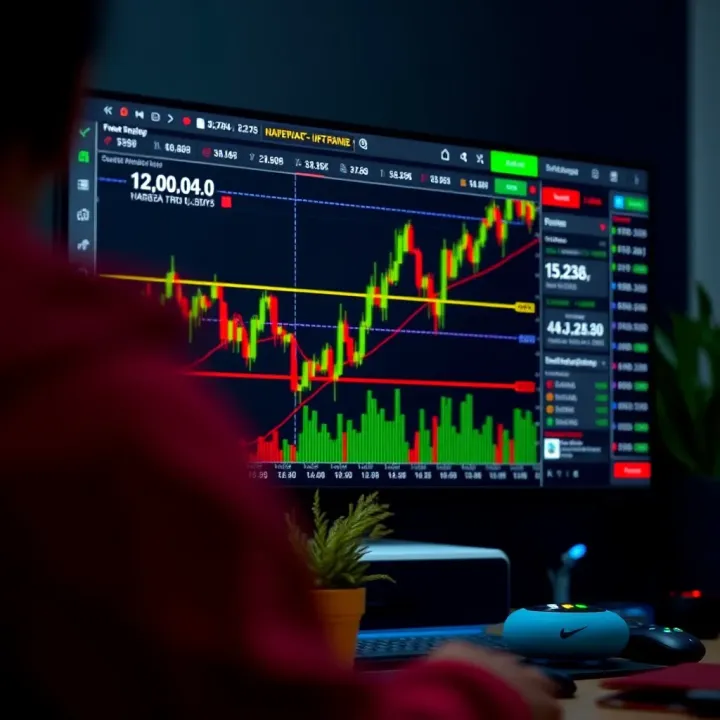
Several Indian platforms and brokers facilitate forex trading while complying with the Reserve Bank of India's (RBI) regulations. It's crucial to choose a registered broker to avoid scams and ensure transparent transactions.
Risk management is equally important given forex’s volatility. Traders should apply stop-loss orders and avoid over-leveraging to protect capital. For instance, using leverage of 1:10 means you control ₹10 lakh with just ₹1 lakh, but losses get magnified too.
Successful forex trading demands a mix of market knowledge, disciplined strategy, and adherence to regulatory guidelines.
This guide covers the basics, practical steps to start trading online in India, strategies popular among traders, and risk management techniques tailored for this market. You’ll also find insights on the legal framework governing forex to help you invest confidently.
Whether you are an experienced analyst or a fresh investor, understanding these essentials sets a strong foundation before you venture into the complex but rewarding world of forex trading.
Grasping the fundamentals of forex trading is the first step for any Indian investor serious about entering this market. Without a proper understanding, trading can quickly turn risky instead of rewarding. Knowing the basic concepts helps you navigate the market, make informed decisions, and manage potential pitfalls effectively.
Forex trading involves buying one currency while simultaneously selling another. This simultaneous exchange happens through currency pairs, where each pair reflects the value relationship between two currencies. For example, trading the USD/INR pair means you speculate on how many Indian rupees one US dollar can buy. The forex market is the largest financial market worldwide, operating 24 hours across global financial centres.
Currencies always trade in pairs like EUR/USD, GBP/USD, or USD/INR. These pairs are categorised as majors, minors, or exotics based on trading volume and liquidity. For Indian traders, pairs including the Indian rupee such as USD/INR or EUR/INR are popular due to their direct relevance. Major forex markets include London, New York, Tokyo, and Singapore; these centres influence price movements significantly, so timing your trades according to market sessions can be crucial.
Exchange rates change due to factors like economic indicators (inflation, GDP growth), central bank policies, geopolitical events, and market sentiment. For example, if the Reserve Bank of India cuts interest rates, the rupee might weaken, affecting USD/INR rates. Understanding these causes helps traders anticipate market moves and plan entries or exits more wisely.
A pip (percentage in point) is the smallest price move a currency pair can make. In most pairs, one pip equals 0.0001, but for pairs involving the Japanese yen, it's 0.01. Traders deal in lots, which standardise the amount of currency traded. One standard lot is usually 100,000 units of the base currency. Knowing pips and lot sizes helps you calculate profits and losses accurately.
Leverage allows traders to control larger positions with a smaller amount of capital (margin). For instance, a 50:1 leverage means you can trade ₹50 lakh worth with just ₹1 lakh as margin. While leverage can magnify gains, it also increases the risk of significant losses. Managing leverage carefully is essential to protect your capital, especially in volatile markets.
The bid price is what buyers will pay, and the ask price is what sellers ask for. The difference between these two is the spread, often the broker's earning source. For example, if USD/INR has a bid of 83.50 and an ask of 83.55, the spread is 0.05. Narrow spreads usually indicate a liquid market, while wider spreads can increase trading costs. Paying attention to these helps you assess transaction costs and trading profitability.
Understanding these basics gives you a strong foundation to enter forex trading with clarity and confidence, helping you avoid common beginner mistakes and improve your chances of success.
Starting forex trading online requires careful preparation, especially in India where regulations and broker choices can significantly impact your trading experience. This section guides you through picking the right broker and setting up your trading account, both crucial steps before you place your first trade.
A trustworthy broker should offer a user-friendly trading platform with real-time data, easy order execution, and responsive customer support. Features like demo accounts and educational resources matter too, as they help you get familiar with forex without risking real money. For instance, brokers like Zerodha and Upstox provide competitive platforms tailored for Indian traders.
Compliance with Indian regulations protects your investments. Look for brokers registered with the Securities and Exchange Board of India (SEBI) or those with clear offshore licences recognised internationally. Brokers without proper licences may expose you to higher risks, so verify their credentials upfront.
Trading costs eat into your profits, so compare commissions, spreads, and withdrawal charges among brokers. Some brokers charge a fixed fee per trade, while others include costs in spreads. For example, a broker offering tight spreads but a small commission per lot might be cheaper overall if you trade frequently.
Most brokers offer multiple account types like standard, mini, or micro accounts. Mini and micro accounts allow trading smaller lot sizes, useful for beginners testing strategies without heavy capital. Standard accounts suit more experienced traders ready to commit higher amounts.
Indian regulations mandate Know Your Customer (KYC) processes before you start trading. You’ll need to submit identity proof (Aadhaar card, PAN card) and address proof (passport, utility bill). This process typically takes a couple of days but is essential for legal compliance and security.
Depositing funds usually involves net banking, UPI, or payment gateways supporting INR. Some brokers also accept foreign currencies, but trading in INR is common and convenient for Indian investors. Keep in mind international transfer fees if funding from overseas accounts.
Choosing the right broker and setting up your account properly form the foundation of successful forex trading. Skipping steps here can cost time, money, and peace of mind down the road.
By focusing on these practical aspects, you’re well on your way to trading forex online confidently and securely in India.
Forex trading involves multiple strategies, each suited to different market conditions and trader preferences. Understanding these common approaches helps investors in India tailor their methods to their risk appetite and trading goals. Practical knowledge of technical and fundamental analysis, alongside a clear trading plan, improves decision-making and controls risks.
Technical analysis relies heavily on price charts and indicators to predict future market movements. Traders use tools like moving averages, Relative Strength Index (RSI), and Bollinger Bands on platforms like MetaTrader or TradingView. For instance, a 50-day moving average crossing above the 200-day average might signal a bullish trend, prompting entry. This approach helps traders spot entry points without needing to grasp macroeconomic details.
Candlestick patterns such as 'Doji' or 'Engulfing' often signal market sentiment shifts. For example, a bullish engulfing pattern might indicate a reversal from a downtrend. Other common formations, like head and shoulders or double tops, help identify trend reversals or continuations. Recognising these patterns can improve timing, reducing guesswork especially in volatile pairs like USD/INR or EUR/USD.
Fundamental analysis looks at economic indicators impacting currency value, such as GDP growth, inflation, or employment data. For example, India's GDP growth rate announcement can sway the rupee's strength against the dollar. Traders watching these indicators with a calendar can prepare for increased volatility, adjusting their positions accordingly.
Events like elections, international trade deals, or geopolitical tensions affect currency stability. When India signs a major trade agreement or faces geopolitical stress, it changes forex market sentiment. Traders aware of these factors can anticipate shifts or hedge positions, protecting capital against unexpected moves.
Having clear rules for when to enter or exit a trade avoids impulsive decisions. For instance, one might enter a buy position on a breakout above a resistance level and exit when price hits a defined target or stop-loss. Defining these points beforehand helps maintain discipline, especially during emotional market swings.
Good trading plans balance potential profit against possible loss. Many traders use a risk-to-reward ratio of 1:2 or better, meaning potential gains should be at least twice the possible loss. This approach safeguards long-term capital growth by cutting losses early while allowing profitable trades to run.
Successful forex trading depends on combining technical and fundamental insights with a firm trading plan. Each element guides your moves, helping you manage risks and seize opportunities in the dynamic forex markets.
By understanding these strategies well, Indian investors gain confidence and structure in their trading journey, which is crucial in the fast-moving online forex space.
Managing risks is often the difference between surviving and thriving in forex trading. Given the unpredictable nature of currency markets, Indian investors must prioritise protecting their capital to avoid catastrophic losses. Risk management strategies help maintain steady growth instead of gambling on big wins. When you control risk, you can trade with confidence and reduce emotional turmoil during tough market swings.
Currency markets are known for their high volatility, with prices that can swing dramatically within minutes. This means a trade can quickly move against you, wiping out potential profits or even your entire investment. For example, sudden announcements by central banks like the Reserve Bank of India (RBI) on interest rates often cause sharp fluctuations in the rupee’s value against other currencies.
Leverage adds another layer of risk. While it allows you to control a larger position with a smaller margin, it amplifies both gains and losses. Suppose you use 50:1 leverage to buy $50,000 worth of currency with just $1,000 margin. A 2% unfavourable move could wipe out your margin in one go. Indian traders must use leverage cautiously and understand it is a double-edged sword.
Emotions like fear and greed play a big role in forex trading outcomes. Fear can cause you to exit trades too early, missing out on profits, while greed might push you towards risky positions hoping for quick gains. For instance, chasing after a “hot” currency pair after a big run-up might lead to buying at the peak and suffering losses.
Discipline and patience are key psychological traits for traders. Sticking to a trading plan, accepting losses as part of the game, and avoiding impulsive decisions help maintain balance. Taking breaks after consecutive losses or profits to reset mentally can improve long-term performance.
Stop-loss orders automatically close a trade at a set price to limit losses. For example, if you buy USD/INR at 75 and set a stop-loss at 74.5, the position closes if the price falls to 74.5, protecting your capital from further loss.
Take-profit orders lock in gains by automatically closing trades when a target price is reached. Using these orders removes emotional decision-making and ensures you stick to your planned risk-reward ratio.
Determining position size—how much capital you commit per trade—is crucial. Risking a small percentage of your overall capital, typically 1–2%, on each trade limits exposure to single trades. If your account is ₹2 lakh, risking ₹2,000 on one trade keeps your losses manageable.
Besides, diversification across different currency pairs or different trading strategies reduces risk further. Relying on just one currency pair or method makes your portfolio vulnerable to specific events. Combining USD/INR trades with EUR/USD or GBP/USD, for instance, can smooth out volatility effects.
Protecting your capital through careful risk management isn’t about avoiding losses entirely—it’s making sure no single loss destroys your ability to keep trading and learning.
Effective risk control builds resilience and confidence, essential for Indian investors navigating the fast-moving and sometimes unpredictable forex markets.
Understanding the regulatory framework and tax obligations is vital for Indian forex traders to stay compliant and avoid legal hassles. Since forex trading involves currency exchange, a sector closely watched by government authorities, being aware of the Reserve Bank of India (RBI) rules, Securities and Exchange Board of India (SEBI) guidelines, and proper tax treatment helps traders operate confidently without running afoul of the law.
The RBI controls currency trading within India by regulating foreign exchange transactions under the Foreign Exchange Management Act (FEMA). It permits trading only on recognised Indian exchanges, such as NSE and BSE, involving currency pairs with the Indian rupee (INR). Strictly speaking, the RBI bans forex trading with cross-currency pairs like USD/EUR on Indian soil. This ensures that currency flows remain monitored and limits speculative activities that might disrupt the economy.
For example, a trader using a local broker to trade USD/INR is compliant, but entering offshore platforms for USD/EUR trades is technically outside RBI regulations. This distinction affects how Indian forex traders select brokers and trading pairs.
SEBI oversees market intermediaries and brokers providing forex trading in India. It mandates licensing, transparency in brokerage fees, and timely disclosures to protect investors. Brokers must comply with KYC (Know Your Customer) and Anti-Money Laundering (AML) regulations. Indian traders should prefer SEBI-registered brokers to ensure their funds remain safe and transactions are legal.
Moreover, SEBI restricts leverage levels on forex trading to reduce the risk of large losses. Indian regulations usually cap leverage at lower levels than international norms, reflecting a cautious approach to protect retail investors.
While Indian regulations forbid trading forex pairs that exclude the Indian rupee on local platforms, many traders opt for offshore brokers offering wider currency choices and higher leverage. This practice, though common, carries legal risks since Indian laws do not officially permit such trading.
Indian forex traders should weigh these risks carefully. Engaging with offshore brokers may expose them to issues regarding fund transfers, dispute resolution, and tax compliance. Understanding these limitations helps in making informed choices that align with one’s risk appetite and legal comfort.
Profits from forex trading are taxable in India, treated as either capital gains or business income depending on trading frequency and account nature. Occasional traders may report gains as capital gains, while regular traders treating forex trading as a business must show income accordingly.
Short-term capital gains (holding period less than 36 months) from forex are added to taxable income and taxed as per slab rates. Long-term gains, though rare for forex, would have a different tax treatment. Traders must classify their profits carefully to avoid tax trouble.
Income Tax Returns (ITR) filing must include all profits and losses from forex trading. For individuals, this usually requires declaring income under "Profits and Gains of Business or Profession" (ITR-3). If losses occur, proper bookkeeping can help carry them forward to adjust against future gains.
Failing to disclose forex earnings can trigger penalties or notices from the Income Tax Department. Therefore, consistent and accurate reporting is a practical necessity.
Maintaining detailed records of all trades, broker statements, bank transactions, and proof of taxes paid is essential. These documents support income claims and help during any tax audit.
For example, tracking trade date, pair traded, profit or loss on each trade, and related expenses ensures that filings are accurate. Digital platforms may provide downloadable statements—save and organise these carefully.
Keeping your paperwork in order makes tax time smoother and shields you from legal complications down the line.
Adhering to regulations and tax policies may seem tedious, but it ultimately safeguards your trading career in India and lets you focus on growing your portfolio wisely.
Explore the best forex trading apps in India 🇮🇳 covering features, costs, security, usability & regulations to pick the right platform for your trading goals.

📚 Explore e-book trading in India: buy, sell, and exchange digital books legally on key platforms, learn copyright rules, and enjoy diverse reading affordably.
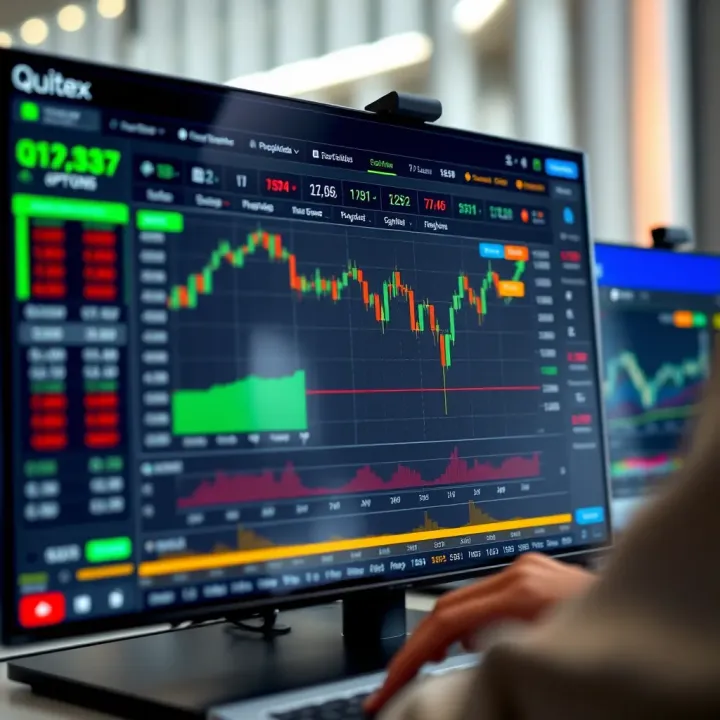
📈 Discover how to trade on Quotex in India with our detailed guide. Learn platform features, set up accounts, choose instruments, and manage risks smartly.
📊 Learn binary option trading basics & risks tailored for Indian traders 🇮🇳. Get practical strategies, legal insights & steps to trade responsibly in India.
Based on 14 reviews