

RBI-Approved Forex Trading Apps in India: A Clear Guide
Learn how to spot legit RBI-authorized forex trading apps in India 📱, understand rules, risks, and tips to trade safely and smartly in 2024.
Edited By
James Turner
Forex trading in India has seen growing interest, driven by increasing access to technology and global financial markets. Picking the right app for forex trading is essential since it affects how smoothly you can execute trades, analyse markets, and manage risks.
The Indian forex market operates under certain regulatory guidelines set by the Reserve Bank of India (RBI) and Securities and Exchange Board of India (SEBI). These regulations impact which currency pairs you can trade and how platforms operate. So, it is imperative to choose apps that comply with these norms to avoid legal hurdles.

When evaluating forex trading apps, focus on core aspects such as:
User interface and experience: The app should be responsive and easy to navigate, even on smartphones with limited data connectivity.
Available currency pairs: Look for apps providing a variety of major and minor pairs, especially INR pairs if you prefer domestic exposure.
Spread and charges: Lower spreads and transparent fee structures reduce your trading cost and improve profitability.
Leverage options: While leverage can boost gains, it also raises risk. Choose apps that offer leverage appropriate to your risk appetite and comply with Indian regulations.
Security features: Two-factor authentication, encryption, and regular security audits keep your funds and personal data safe.
Selecting a forex trading app based solely on hype or aesthetics can backfire. Instead, prioritise reliability, regulatory compliance, and practical usability.
Popular apps like Zerodha, Upstox, and 5paisa now include forex trading features tailored for Indian users, combining ease of use with strong regulatory adherence. Meanwhile, global platforms often lack direct support for INR trading or fall foul of SEBI requirements.
Understanding your trading goals and style will guide your choice. Traders looking for active scalping might prefer apps with fast execution, while long-term investors value detailed charting and research tools.
Understanding forex trading in India is essential before you start using any app for it. Forex trading involves buying and selling currency pairs, and the Indian market has its unique rules and conditions that affect how you can trade. Knowing these specifics helps you avoid legal trouble and manage your investments more efficiently.
At its core, forex trading means exchanging one currency for another with the hope that the exchange rate will move in your favour. For example, you might buy USD against INR hoping the dollar strengthens. The forex market operates 24 hours globally, but for Indian traders, trading hours often align with major global markets like London and New York. Understanding terms such as 'pip', 'spread', and 'leverage' is crucial as these impact your cost and risk exposure.
The Securities and Exchange Board of India (SEBI) and the Reserve Bank of India (RBI) play important roles in regulating forex trading in India. SEBI oversees securities markets and ensures investor protection, so any trading platform offering forex must comply with SEBI’s rules. At the same time, RBI regulates foreign exchange transactions and controls capital flows to safeguard India’s economic stability.
For practical purposes, Indian traders cannot legally participate in spot forex trading involving foreign currencies outside exchanges authorised by SEBI. The RBI restricts forex trading to currency derivatives traded on recognised exchanges like NSE or BSE. This reduces exposure to unregulated brokers and lowers the risk of fraud.
Indian residents can legally trade only select currency pairs on recognised exchanges. These pairs include INR against USD, EUR, GBP, JPY, and a few others. Trading pairs like BTC/INR or exotic currencies are not allowed within India’s regulatory framework. Apps complying with these rules offer trading on such approved pairs to avoid any legal complications.
For example, you can trade USD/INR futures on NSE but cannot directly trade spot USD/INR with overseas brokers. Knowing this saves you time and protects you from platforms that could cause regulatory issues down the line.
Forex trading carries risks like high volatility, leverage-related losses, and currency fluctuations influenced by geopolitical or economic news. Indian traders also face challenges like hidden charges in some apps, delays due to RBI’s monitoring processes, and the risk of fake platforms promising unrealistic returns.
Always choose apps registered with SEBI and RBI guidelines, and start with small investments to get a feel for the market.
Being aware of these risks and the legal context helps you select a trusted app suited to your trading style and compliance needs. This groundwork is crucial for smooth and informed forex trading in India.

Choosing the right forex trading app starts with understanding the features that make trading smooth, efficient, and secure. For Indian traders, these features can be the difference between a frustrating experience and a rewarding one. Let’s explore the must-have elements.
A simple yet functional interface can save both time and money. When an app loads slowly or hides key functions deep inside menus, you risk missing timely decisions. For example, Zerodha Kite offers a clean layout with quick access to charts and order types, making it easier for traders to place orders without confusion. Fast navigation, clear graphics, and easy-to-read fonts prevent errors, especially during volatile market hours. The app should also allow customisation so you can set up your dashboard to match your trading style.
Forex markets move fast; delayed or inaccurate data can lead to costly mistakes. The app must provide live quotes with minimal lag — Upstox Pro, for instance, streams market prices in real time helping users react quickly. Beyond quotes, robust analysis tools like technical indicators, trend lines, and candlestick patterns support informed decisions. Some platforms integrate news feeds related to global currencies, enabling you to track geopolitical events affecting exchange rates. For traders in India, having access to both global macro perspectives and local economic updates adds value.
Trading apps deal with sensitive information and financial transactions, so strong security is non-negotiable. Look for platforms that use two-factor authentication (2FA), end-to-end encryption, and regular security audits. For instance, apps like Angel One implement biometric login options and secure servers to protect user data. Transparency in data handling policies is crucial since you’d want assurance that your personal details won’t be shared or misused. Regular updates from the app provider ensure new vulnerabilities are patched swiftly.
Security features directly affect the trustworthiness of your trading app, impacting your peace of mind.
Even minimal charges eat into your profit margin in forex trading. Hence, verify the app’s transaction costs, including commissions and spreads (the difference between buying and selling prices). Some apps advertise low fees but compensate with wider spreads. ICICI Direct, known for transparency, openly displays all charges upfront, making it easier for traders to calculate costs. Always compare these costs because they add up quickly, especially if you trade frequently. A clear breakdown lets you avoid surprises when settlements happen.
In short, these features form the backbone of a reliable forex trading app for Indian users. From a smooth interface to strong security and honest pricing, each aspect matters when you’re dealing with fast-moving foreign exchange markets.
Selecting the right forex trading app is critical for Indian traders given unique regulatory and market conditions. Popular apps combine ease of use, data accuracy, and secure transactions to suit diverse trading strategies. This section overviews some widely trusted platforms tailored for Indian investors, highlighting their strengths and limitations.
Zerodha Kite stands out for its intuitive interface and seamless integration with the Indian stock market ecosystem. It's popular among traders for providing real-time data and advanced charting tools without overwhelming beginners. Zerodha's low brokerage fees, especially for currency trading, appeal to cost-conscious users. The app also supports direct fund transfers via UPI, simplifying account funding.
Upstox Pro targets active traders who appreciate speed and robust technical analysis features. It handles high volumes smoothly and offers multi-exchange access, including forex pairs legal in India. Users get customised watchlists and price alerts, which help in timely decision-making. Upstox's competitive pricing and secure platform make it a solid choice for both new and experienced traders.
Angel One brings together full-service brokerage and user-friendly technology. Its trading app has reliable market data feeds and one-click order placements. Indian traders benefit from Angel One’s research reports and educational content embedded within the platform, making it easier to understand forex trends. The app supports seamless KYC and payment options, which is handy for beginners.
ICICI Direct appeals more to conservative investors seeking an established brand’s credibility. Besides forex trading, it integrates with other investment products like mutual funds and fixed deposits, allowing users to manage their portfolio holistically. The platform offers extensive customer support but might be pricier than discount brokers. Its interface is more formal, suiting those who prefer a straightforward experience.
MetaTrader 4 and 5 (MT4 & MT5) remain popular due to their extensive functions for forex charting and algorithmic trading. These platforms are especially useful for tech-savvy traders who want customised indicators or automated strategies. While not India-specific, many brokers offer MT4/MT5 access tailored to local forex regulations. The steep learning curve might deter casual traders but rewards serious users with powerful tools.
Each app suits different trading styles and priorities:
Zerodha Kite: Low cost, easy for beginners; limited exotic currency pairs.
Upstox Pro: Fast and feature-rich; interface can feel complex initially.
Angel One: Good research and support; higher brokerage fees.
ICICI Direct: Trusted brand with integrated offerings; relatively expensive and less agile.
MetaTrader 4/5: Advanced features for experienced traders; steep learning curve, less beginner-friendly.
Picking your forex app depends on your trading goals, comfort with technology, and cost sensitivity. Consider trying demo versions before committing real funds to get a feel for what suits your style better.
Knowing these apps’ practical benefits and trade-offs helps Indian traders pick a platform aligned with their risk appetite and trading approach.
Choosing the right forex trading app depends largely on your trading habits and priorities. The ideal app should fit your style, budget, and need for support. Picking the wrong platform can cost time, money, and cause frustration, so it's worth considering specific factors carefully before committing.
Your trading style—whether you are a scalper, day trader, or long-term position trader—should guide your app choice. For example, scalpers need apps with lightning-fast execution and minimal lag. Features like one-click order placement and advanced charting tools become crucial. On the other hand, a casual investor who prefers long-term trades might prioritise easier navigation and access to educational resources over speed. Some apps like MetaTrader 4 and 5 offer deep technical analysis tools suited for active traders, whereas Zerodha Kite provides a balanced experience suitable for beginners and intermediate traders. Consider what features align with your daily habits before finalising your choice.
Transaction costs, spreads, and hidden fees can significantly impact profit margins, especially for frequent traders. Look for an app that discloses all charges clearly. For instance, platforms like Upstox Pro offer competitive brokerage plans with low transaction fees, which help reduce cost pressure. Also, check if the app charges for deposit and withdrawal or levies inactivity fees. A cheap app with nasty surprise charges ruins trading excitement quickly. Always calculate your expected monthly or quarterly trading volume and compare costs across different apps to find what suits you best.
Reliable customer support can save you from headaches when technical or transactional issues arise. Apps offering multiple channels like phone, chat, and emails cater better to urgent needs. Angel One, for example, is known for responsive support and providing a wealth of tutorials for new traders. Education is especially important if you are new to forex trading. Look for an app that invests in user learning through webinars, articles, or demo accounts. The right support and educational resources improve your comfort level and help you avoid costly mistakes early on.
The right forex trading app doesn't just facilitate trades; it complements your style, keeps your costs in check, and supports you when you need help. Take your time to evaluate these aspects before deciding.
By aligning your trading style with app features, factoring in all costs, and valuing dependable support and learning materials, you can pick a forex app that fits your needs well and boosts your trading confidence.
Starting forex trading on a mobile app requires careful attention to several steps to ensure a smooth and secure experience. This part guides you through the basics – from opening an account to managing trades effectively. Understanding these steps helps avoid common pitfalls, especially for Indian traders new to forex platforms.
Opening an account is the first hurdle. Most forex apps in India ask for basic KYC (Know Your Customer) details such as PAN card, Aadhaar, and bank details. Verification often involves uploading scanned copies and completing in-app biometric authentication or video calls. For instance, Zerodha and Upstox streamline this process with integrated e-KYC, so you can start trading within a day or two.
Verification safeguards both you and the platform, reducing fraud and complying with regulations set by the Reserve Bank of India (RBI) and Securities and Exchange Board of India (SEBI). You must be patient during this stage since incomplete or inaccurate information can delay account approval.
After verification, you need to deposit funds to start trading. Most apps support net banking, UPI, or even IMPS for instant transfers from your linked bank account. Ensure you check the minimum deposit requirements; some apps set this as low as ₹10,000 for forex trading.
Also, verify transaction charges or any hidden costs while funding. For example, ICICI Direct might charge nominal fees compared to zero charges on platforms like Angel One. Using UPI apps like PhonePe or Google Pay can make funding convenient, but watch out for daily limits prescribed by your bank.
Once your account has money, you can place a trade. Selecting the currency pair, choosing between buy or sell orders, and deciding the trade size are critical steps. Most apps offer live market data and charting tools that help decide entry points.
For example, if you expect the USD/INR pair to rise, you'd place a buy order through the app, specifying the amount in lots. Orders can be market (instant) or limit orders, placed at your preferred price. New traders should start small and avoid leverage until they fully understand the risks involved.
Forex trading is dynamic, so tracking your open positions closely is essential. Apps provide real-time updates on profit/loss values, and alerts can notify you of critical price movements. Using stop-loss and take-profit orders protects capital from sudden market swings.
Risk management also includes diversifying trades rather than concentrating on a single currency pair. Tools like MT4 and MT5 allow setting automated stop-loss orders, which are handy for Indian traders managing their portfolio alongside other commitments.
Starting forex trading with a properly set-up app and disciplined monitoring helps safeguard your investments and paves the way for steady gains in the volatile currency market.
Familiarising yourself with these steps gives you a solid foundation, making your forex trading journey in India more manageable and less risky.
Learn how to spot legit RBI-authorized forex trading apps in India 📱, understand rules, risks, and tips to trade safely and smartly in 2024.

🔍 Explore RBI-approved forex trading apps in India with details on regulations, safe trading tips, key features, and trusted app options for traders 🇮🇳
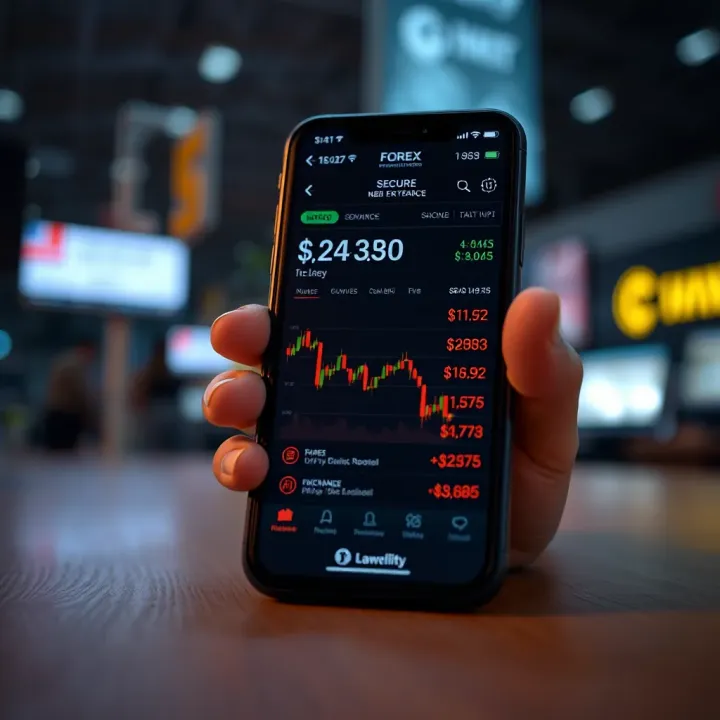
Explore RBI-approved forex trading apps in India 📱. Learn how to spot safe, reliable platforms, understand regulations, benefits, and risks clearly.

Explore RBI-approved trading apps 📱 in India. Learn about safe, regulated platforms, key features, and investor protection tips to trade confidently and securely.
Based on 8 reviews