

Understanding Qutex Trading: A Clear Guide
Explore Qutex trading 📈 with this detailed guide—learn core concepts, setup, execution & risk management to trade smartly in India’s market 🇮🇳.
Edited By
Emily Clarke
Bollinger Bands stand out as a popular technical indicator traders use worldwide to gauge market volatility and spot potential buy or sell signals. For traders in India and abroad, optimising these Bands' settings is key to improving trade timing and managing risks more effectively.
At its core, a Bollinger Band consists of three lines: a moving average in the middle, and two bands above and below it. These outer bands usually sit two standard deviations away from the average. But changing the period of the moving average or adjusting the standard deviation multiplier can significantly change how the Bands interpret price action.
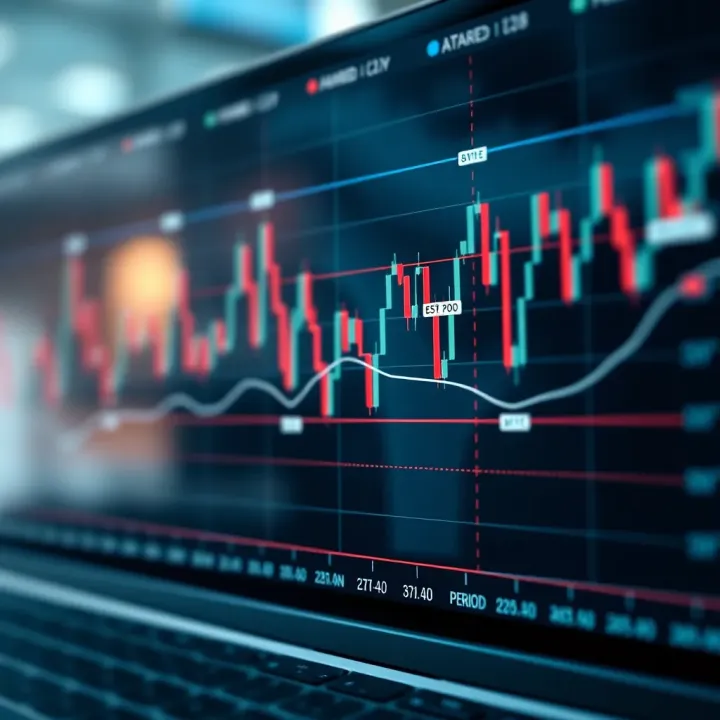
Simple tweaks in settings can mean the difference between catching good trade entries or getting caught out by false signals.
For instance, a standard setting of 20 periods and 2 standard deviations might work well in a steady market like Nifty 50 but could be less effective in a more volatile mid-cap stock. Lowering the period to 10 sharpens sensitivity but also increases noise, while adjusting bands to 2.5 standard deviations filters out small fluctuations but might delay signals.
Here are key factors that influence your Bollinger Band setup:
Period length: Shorter periods react faster but risk false signals; longer periods smooth data but might lag market turns.
Standard deviation multiplier: A higher multiplier creates wider bands, reducing frequent trades but potentially missing early moves.
Market conditions: Trending or sideways moves require different sensitivity settings.
Tailoring these settings depends on your trading style and the asset:
Identify the typical volatility of the stock or index.
Adjust period and deviation to balance between signal reliability and timeliness.
Backtest settings using historical Indian market data for validation.
Practical application shows that combining Bollinger Bands with other indicators such as Relative Strength Index (RSI) or volume spikes can reduce false signals, enhancing trade decisions and risk control.
Mastering Bollinger Band settings will not only sharpen your market entries and exits but also boost confidence as you navigate India's dynamic markets.
Understanding Bollinger Bands is key for traders aiming to grasp price volatility and trends effectively. These bands give a frame to market price action by outlining potential support and resistance zones. When you know how each part works, you can better adjust your strategy to different market conditions.
The middle band of Bollinger Bands is simply a moving average, usually the 20-day simple moving average (SMA). This line tracks the average price over the selected time period, smoothing out short-term fluctuations. For example, if you are trading in the Nifty 50, watching this band helps you understand where the market is generally headed in the short to medium term.
Because it acts as a baseline, prices often revisit this moving average before making a decisive move. If the price keeps bouncing off the middle band upwards, it signals an uptrend. Conversely, repeated declines below this band could signal a downtrend.
The upper and lower bands sit above and below the middle band at a certain distance, normally set at two standard deviations. They represent dynamic resistance and support levels, shifting based on market volatility.
Prices usually stay within these bands; a move above the upper band can suggest an overbought condition, hinting at a possible pullback. Similarly, prices near the lower band may be oversold, offering potential buy opportunities. For instance, a trader might notice Reliance Industries’ share price hitting the upper band repeatedly before correcting, helping time exits wisely.
Standard deviation measures how much price varies from its average, capturing volatility directly. When markets are volatile, prices swing widely, and standard deviation rises. This causes Bollinger Bands to spread apart, showing traders heightened market activity.
For example, during the Diwali festive season, with increased trading volume and rapid price shifts in sectors like consumer goods, bands expand to reflect that volatility.
When volatility calms down, standard deviation decreases and the bands contract, signalling quieter periods or potential breakouts. Traders often watch for these squeezes—periods when bands come close—to anticipate big moves.
In practice, before an earnings announcement for an IT company like TCS, bands may contract as traders wait cautiously. A sudden breakout from this squeeze might push prices sharply, highlighting trading opportunities.
Knowing how Bollinger Bands adjust to market swings helps traders select settings tailored to the asset’s behaviour and trading style, improving decision-making and risk control.
Choosing the right Bollinger Band settings is key to maximising their effectiveness in trading. These settings influence not only how the bands respond to price action but also the quality and number of trade signals you receive. Traders must carefully balance sensitivity and noise to avoid getting lost in false signals or missing good opportunities.
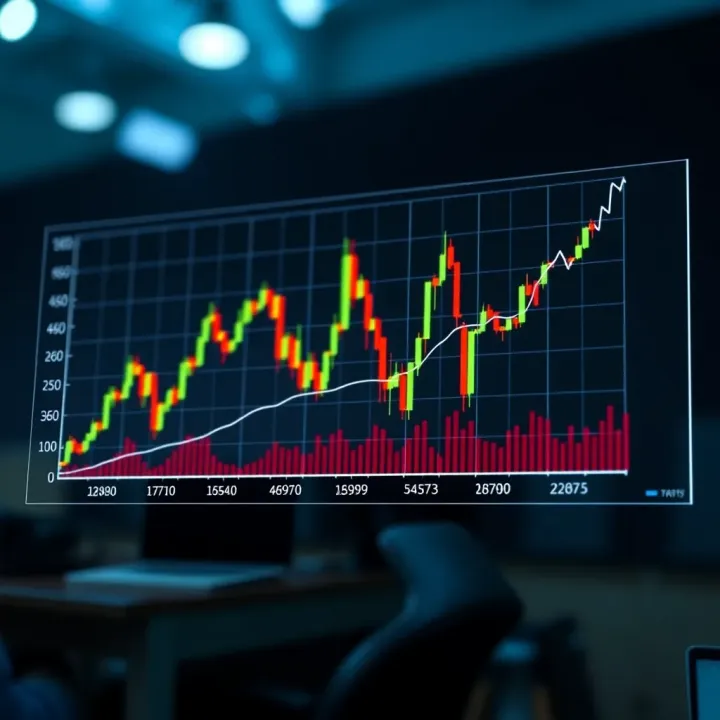
The moving average period defines the middle line of the Bollinger Band and plays a crucial role in smoothing price data. The 20-period moving average is widely used because it provides a reasonable balance across many markets. It represents roughly one trading month on daily charts, allowing traders to capture intermediate trends without too much delay.
Some traders use shorter periods, like 10 or 15, for faster responses on intraday or weekly charts. Others prefer longer periods like 30 or 50 to catch broader trend movements on daily or weekly charts. For example, a swing trader in the Nifty 50 market might favour a 30-day MA to avoid reacting hastily to market noise.
A shorter moving average period makes the Bollinger Bands more sensitive, signalling potential trends and reversals earlier. However, this increased sensitivity often comes with more false signals, especially in choppy markets. On the other hand, longer periods reduce noise by smoothing over short-term fluctuations but may delay recognising significant price shifts.
For instance, a day trader using a 10-period MA might experience rapid signals, suitable for quick in-and-outs, but risk being whipsawed during sideways moves. Positional traders might tolerate a slower response with a 50-period MA to filter out minor ups and downs and focus on major trends.
The standard deviation multiplier determines how far the upper and lower bands stand from the moving average. The default is usually set to 2, reflecting about 95% of price movement if the returns are normally distributed. This level often balances capturing significant price swings without overreacting to minor volatility.
Traders can adjust this value depending on their risk appetite and market conditions. Lowering it to 1.5 narrows the bands, leading to quicker signals suitable for active or scalping strategies. Increasing it to 2.5 or 3 widens the bands, filtering out noise but generating fewer signals.
Narrower bands due to a lower multiplier increase the frequency of band touches and breakouts, but many of these can be false alarms. For example, in volatile Indian equities like those in the midcap segment, setting a 1.5 multiplier might produce frequent whipsaws, causing frustration for less active traders.
Wider bands tighten the focus on more significant price moves, improving signal accuracy at the cost of fewer opportunities. Long-term investors focusing on stocks in sectors like pharmaceuticals or IT might lean towards a 2.5 multiplier to avoid reacting to short-term jitters.
Adjusting Bollinger Band settings is not a one-time task; it needs regular fine-tuning based on market behaviour, trading goals, and instrument volatility to remain effective.
Balancing these factors lets traders align their strategies with the market’s rhythm, boosting the chances of timely entries and exits without chasing false signals.
Customising Bollinger Band settings according to trading style is pivotal for enhancing decision-making and improving trade outcomes. Different trading styles, whether fast-paced day trading or patient positional trading, demand tailored parameters for the bands to reflect market conditions relevant to their approach. Without this adjustment, signals may either overwhelm with false alerts or lag behind price movements, leading to missed opportunities.
Day traders and scalpers operate within tight time limits—often minutes or even seconds. To capture these swift market fluctuations, Bollinger Bands need to be set with shorter moving average periods like 10 or 15 intervals instead of the standard 20. This approach makes the bands more responsive to recent price actions, helping traders react quickly to emerging trends or reversals.
For example, in the volatile Indian equity market during the opening hour, a scalper using a 10-period moving average can detect micro-movements more effectively than with longer periods, where the signal may lag behind.
Reducing the standard deviation multiplier from the typical 2 to values like 1.5 or even 1 allows bands to tighten. This sensitivity benefits day traders seeking precise entry and exit points. Tighter bands signal breakouts sooner, enabling rapid trades that capitalise on minor swings. However, this also increases false signals, so coordinating with other indicators like volume or RSI may help filter trades.
For instance, in the highly traded Nifty futures, a scalper might prefer 1.5 SD to get earlier alerts on price spikes, but they must watch for false breakouts during sideways moves.
Swing and positional traders usually hold positions over days or weeks, focusing on sustained trends rather than intraday noise. They benefit from longer moving average periods, such as 20, 30, or even 50 intervals. These bands smooth out short-term fluctuations, presenting a clearer picture of the prevailing trend without the distraction of minor price jitters.
In Indian markets, where seasonal trends and earnings cycles impact stocks, a 30-period moving average can help swing traders filter irrelevant noise and focus on structural price moves.
Increasing the standard deviation multiplier to values above 2, such as 2.5 or 3, results in wider bands. This change reduces signal frequency and prevents overtrading by filtering out minor price spikes that might otherwise trigger premature entries or exits. It adds a layer of protection against whipsaws, especially in volatile markets.
For example, a positional trader holding a stock like Reliance Industries may prefer wider bands during earnings season to avoid getting stopped out due to temporary price swings unrepresentative of underlying fundamentals.
Tailoring Bollinger Band parameters to your specific trading style is not just about improving signal quality; it also helps manage risk by aligning indicators with your time horizon and trade goals.
By adjusting moving average length and standard deviation according to your trading timeframe, you can make Bollinger Bands a more reliable part of your strategy, increasing chances of consistent profits.
Testing and optimising Bollinger Band parameters is central to tailoring these indicators for your unique trading style and market conditions. It helps avoid relying on default settings that might not fit the specific volatility or price behaviour of a stock or commodity you follow. By carefully adjusting settings and testing them, you benefit from more reliable signals and better risk control.
Backtesting means applying your chosen Bollinger Band settings on past price data to see how they would have performed. Traders in India often use platforms like Zerodha's Kite or Upstox Pro that provide historical charts and allow custom indicator settings. This hands-on approach reveals how different periods or standard deviation multipliers affect band behaviour through various market phases. For example, testing a 20-day versus a 14-day moving average on Nifty historical data highlights the sensitivity difference during volatile periods.
Software tools often support automated backtesting where you input specific parameters and the system calculates theoretical entry and exit points. This removes guesswork and speeds up identifying settings that consistently prevented large losses or captured strong trends.
When backtesting, it’s vital to look beyond just how often your trades win. You must assess metrics like profitability over time and maximum drawdown – the largest peak-to-trough loss you would have faced. For instance, a setting that triggers frequent trades might earn small gains but expose you to bigger occasional losses, negating overall profits.
Detailed evaluation of drawdowns ensures your chosen Bollinger Band settings align with your risk appetite and capital. You may find that adjusting the standard deviation multiplier to widen bands reduces false breakouts and limits drawdowns. Always balance the chance of catching profitable moves against the risk of significant losses.
Forward testing means applying your optimised parameters in real-time but without actual money at stake. Many Indian brokers offer paper trading accounts where you simulate trades using live price feeds. This step is necessary because historical data can’t capture sudden market shocks or slippage.
Paper testing allows fine-tuning of your settings as you see how they react to live price action. For example, during a volatile monsoon season for agricultural commodity futures, you might notice signals becoming erratic. Adjusting the settings to adapt helps improve live performance before risking capital.
Market conditions evolve — bull runs can shift to sideways markets quickly. Rigid Bollinger Band settings that worked well last month might fail now. Constantly review your indicators and be ready to adjust.
For example, if volatility increases noticeably, tightening your bands might generate too many false signals. Widening bands by increasing the standard deviation multiplier adds a buffer. Watching indicators like India VIX alongside price data offers clues on when to tweak settings. Regularly revisiting your Bollinger Band parameters keeps your trading aligned with the market’s pulse.
Testing and adjusting Bollinger Band settings continuously enhances your ability to spot good trades and manage risks effectively in changing Indian markets.
Use historical charts and backtesting tools available on Indian trading platforms.
Evaluate profitability alongside drawdowns to find balanced settings.
Use paper trading on live data to validate your parameters.
Adjust settings regularly to fit current market volatility and trends.
Optimising Bollinger Bands takes effort but pays off through more accurate, timely trading decisions.
Bollinger Bands are powerful tools, yet traders often run into pitfalls because of common mistakes or misunderstandings. Recognising these can save you from costly errors and help tailor settings for better returns. Let’s clear up some misconceptions and highlight practical ways to avoid them.
Many traders stick to the default Bollinger Band settings—usually a 20-period moving average with a 2 standard deviation multiplier—without questioning whether these suit their specific market or trading style. This one-size-fits-all approach can mislead, especially when markets behave differently. For example, a fast-moving small-cap stock often needs tighter bands or a shorter moving average to catch quick price swings, unlike a large-cap share which may require looser settings to avoid noise.
Ignoring your trading context means missing crucial nuances. Suppose you are trading in volatile markets like cryptocurrency or thinly traded stocks on Indian exchanges; the standard settings may flood you with false signals. On the other hand, in steadier segments like blue-chip equities or commodities, adjusting bands wider than default could filter out minor fluctuations and focus on meaningful trends.
A common myth is that any price breakout beyond the Bollinger Bands signals a strong trend start. However, many breakouts are false alarms caused by volatility spikes, leading to premature or wrong decisions. For instance, in the NSE market during earnings season, sudden volume bursts can push price beyond bands that snap back soon after, confusing traders.
To cut through noise, combine Bollinger Bands with other indicators like the Relative Strength Index (RSI) or Moving Average Convergence Divergence (MACD). These tools help confirm whether a breakout has sufficient momentum or if the price is simply overstretched temporarily. For example, a stock breaking the upper band but showing RSI overbought signals might prompt caution rather than an immediate buy.
Remember, Bollinger Bands are about understanding volatility, not just price extremes. Treat breakouts as cues, not guarantees.
Default settings are starting points, not gospel truths. Adapt them based on the asset's behaviour and trading style.
Avoid blind reliance on breakouts by using confirmation from other technical tools.
Keep track of market conditions and be ready to tweak your Bollinger Band parameters.
Staying alert to these common mistakes helps you use Bollinger Bands more effectively, improving your timing and risk management in India’s dynamic markets.
Explore Qutex trading 📈 with this detailed guide—learn core concepts, setup, execution & risk management to trade smartly in India’s market 🇮🇳.
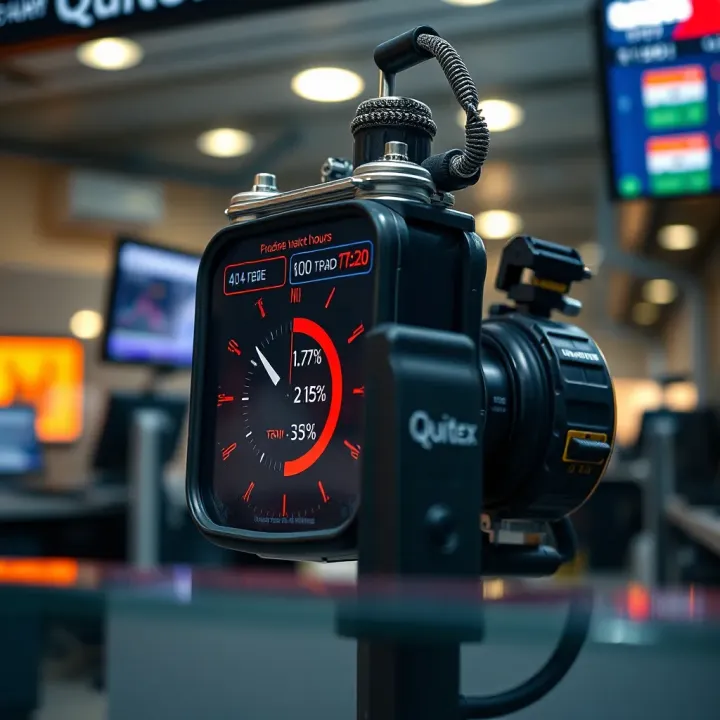
📈 Understand Quotex trading hours in India! Learn market timings, timezone tips, and maximize your trading strategy with detailed insights tailored for Indian traders.

📈 Explore Quotex trading essentials, from platform features to risk management tips, helping Indian traders start smart and trade confidently.
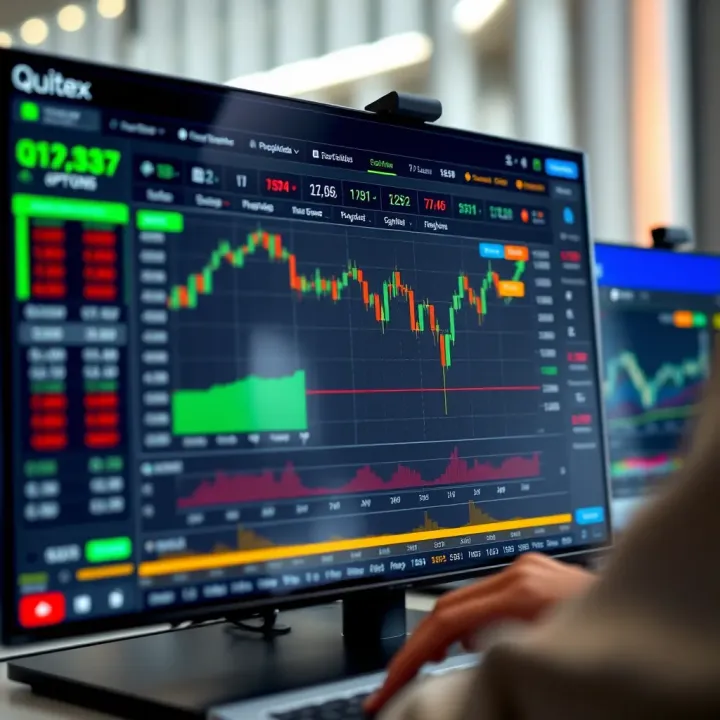
📈 Discover how to trade on Quotex in India with our detailed guide. Learn platform features, set up accounts, choose instruments, and manage risks smartly.
Based on 11 reviews