

Dogecoin Price Prediction for Tomorrow
📈 Explore Dogecoin's price forecast for tomorrow, including market trends, expert views, risks, and key indicators that can shape its value for savvy investors.
Edited By
James Thornton
Gold holds a unique place in India, blending tradition with investment. For many traders and investors, keeping an eye on gold prices is essential because daily fluctuations impact buying decisions and portfolio strategies. Predicting tomorrow’s price movement is tough but not impossible, especially when you understand key factors affecting the market.
India is the second-largest consumer of gold after China, so domestic demand shapes price trends significantly. Festivals like Akshaya Tritiya and Diwali prompt spikes in buying, while wedding seasons intensify jewellery purchases. These seasonal factors often push prices higher.
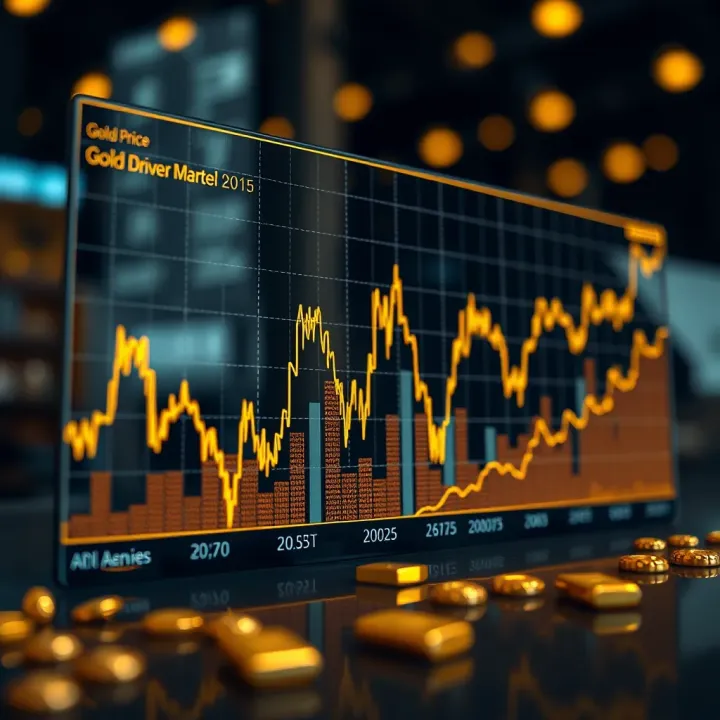
Meanwhile, the strength of the Indian rupee against the US dollar plays a critical role. Since gold is globally priced in dollars, a weaker rupee means higher domestic gold prices. Conversely, when the rupee gains strength, gold becomes slightly cheaper here.
Global economic conditions also weigh heavily. For example, inflation fears, central bank policies, geopolitical tensions, or stock market volatility tend to push investors towards gold as a safe haven. The International Monetary Fund (IMF) and World Bank reports often influence trader sentiment around this.
Understanding these drivers—demand cycles in India, currency movements, and global cues—is vital to make sensible predictions about gold price for tomorrow.
Domestic Demand: Festivals, weddings, and seasonal buying patterns
Currency Fluctuations: Rupee-dollar exchange rates
Global Market Sentiment: Economic stability, inflation, geopolitical events
Interest Rates: Decisions by the Reserve Bank of India (RBI) and foreign central banks
Supply Constraints: Mining output and import restrictions
By tracking these elements closely, traders and analysts gain clues for the next day’s price direction. For instance, if RBI hints at tightening liquidity and the rupee stabilises, gold might ease. But rising global tensions could shift this expectation.
Next, we'll examine different forecasting methods and how to interpret their signals without falling into common pitfalls.
Understanding the factors that influence gold prices helps investors and traders make informed decisions, especially when predicting prices for the short term like tomorrow. Gold prices do not move in isolation; they react to a mix of global economic events and domestic market conditions. Analysing these aspects provides practical benefits such as spotting opportunities or risks tied to price shifts.
Interest rates and inflation are among the primary forces shaping gold prices globally. When interest rates rise, especially in major economies like the US, government bonds yield better returns, making gold less attractive since it does not offer interest. Conversely, higher inflation drives investors toward gold as a hedge against eroding currency value. For example, during periods of rising inflation in the US, gold prices usually gain strength, impacting Indian prices indirectly since gold is globally traded.
Gold often acts like a safe haven when political tensions surge or markets get shaky. Events like conflicts, sanctions, or diplomatic strains can trigger a flight to safety, pushing gold prices up worldwide. Recently, tensions in the Middle East have caused such spikes. Indian investors must watch these global flashpoints because spikes in uncertainty abroad typically nudge domestic gold prices upwards.
Gold’s price also reacts to shifts in demand and supply from major consumers like China, the US, and India itself. For instance, when Chinese jewellery demand picks up or central banks decide to boost reserves, global demand tightens, supporting price rises. On supply side, mining output disruptions due to strikes or environmental rules reduce availability, adding price pressure. Since India is a huge importer, these global changes feed directly into local price movements.
In India, festival and wedding seasons create predictable demand surges for gold. During Diwali, Akshaya Tritiya, and wedding months like November to February, families buy gold for gifts and jewellery. This demand push often leads to higher prices around these times. Traders expecting tomorrow’s price movements should factor in how close these seasons are and related buying interest.
The Reserve Bank of India’s (RBI) monetary stance influences gold prices through interest rate changes and liquidity conditions. When RBI adjusts rates or liquidity tightens, the rupee’s value can fluctuate. A weaker rupee makes gold imports costlier, pushing prices up domestically. For example, if the rupee falls sharply against the US dollar today, gold prices tomorrow are likely to rise.
Government rules like import duties, GST rates, and export restrictions significantly impact gold prices. Recent hikes in customs duty on gold imports often lead to immediate price jumps. Additionally, local supply issues, such as delays in shipments from overseas or transport bottlenecks, can create short-term price variations in Indian cities, affecting traders and jewellers.
Gold is priced internationally in US dollars, so the exchange rate between the rupee and dollar has a direct effect on Indian gold prices. When the rupee weakens against the dollar, imported gold costs more in rupee terms, causing domestic gold prices to rise. For example, a ₹0.50 depreciation in the rupee against the dollar overnight can translate into a noticeable increase in rupee per 10 grams of gold tomorrow.
Beyond the rupee-dollar pair, trends in other major currencies like the euro and yen can influence global gold demand and currency markets overall. A weakening dollar against other currencies often pushes gold prices higher internationally as it becomes cheaper for buyers using other currencies. Indian investors should keep an eye on these trends as they may signal upcoming price moves even before the rupee-dollar rate changes.
Keeping an eye on these interconnected factors helps investors anticipate how gold might behave tomorrow in the Indian market and plan their trades or purchases accordingly.
Predicting gold prices for tomorrow requires a blend of techniques that analyse past patterns, current data, and market moods. Traders and investors often rely on a combination of technical tools, fundamental analysis, and sentiment evaluation to gain a clearer picture of the near-term movements in the gold market. Each approach has its strengths and limitations, but together they help paint a more balanced view than any single method alone.
Moving averages smooth out price data over a set period, highlighting the underlying trend by filtering noise. For example, a 50-day moving average shows the average price over the last 50 days, giving insight into short- to medium-term trends. Traders watch for gold prices crossing above or below these averages, signalling potential shifts. Trend lines connect lows in an uptrend or highs in a downtrend, revealing support and resistance directions visually. These tools help investors spot entry and exit points without waiting for fundamental news.
Support levels are price points where gold tends to stop falling and bounce back, while resistance levels act as ceilings where price rallies tend to pause. These levels develop through repeated buying or selling pressure at certain prices. In practice, if gold nears a known support level around ₹50,000 per 10 grams, and holds there, traders may view it as a buying opportunity. Conversely, resistance near ₹52,000 might discourage fresh purchases. Recognising these levels aids in managing risk and timing trades efficiently.
Fundamental analysis focuses on macroeconomic indicators affecting gold's appeal as a safe asset. Inflation figures, retail inflation trends, or India’s GDP growth rates can sway investor interest. For instance, rising inflation usually boosts gold demand as a hedge, pushing prices up. RBI’s monetary policy announcements and changes in interest rates also influence gold's attractiveness, as higher rates tend to reduce gold's appeal by increasing alternative returns.
Events such as geopolitical tensions, trade wars, or crises in major economies can trigger gold buying worldwide. For example, a sudden flare-up in Middle East tensions or a US debt ceiling debate often leads investors to seek refuge in gold, pushing prices higher. Indian gold markets react not just to domestic factors but also these global triggers, making it crucial to monitor international news for informed predictions.
Sentiment shapes short-term movements heavily. Traders driven by fear or greed may cause price spikes or drops unrelated to fundamentals. For example, rumours about an impending rate hike can spur speculative buying, lifting prices temporarily. Understanding this herd mentality helps investors avoid knee-jerk reactions and position themselves better for tomorrow’s price swings.
The rapid spread of news through social media platforms affects gold price expectations swiftly. Positive comments from influential market analysts or viral posts about economic uncertainty can trigger quick gold buying. However, not all such buzz is accurate, so investors must weigh reliable sources against hype. Staying alert to breaking news helps in adjusting strategies promptly.
Combining technical signals with fundamental data and sentiment insight offers a well-rounded approach to predicting gold price movements for tomorrow. Relying on just one method risks overlooking critical market cues.*
Interpreting gold price predictions for tomorrow is vital for traders and investors aiming to make informed decisions in the volatile Indian market. Daily forecasts provide insights but need careful understanding to gauge their practical value. For example, a sudden dip in predicted prices may prompt some buyers to wait, but without context, such moves can backfire if prices rebound quickly. Thus, grasping the nuance behind predictions helps in managing expectations and risks effectively.
Sudden price changes in gold often arise because of unexpected developments like geopolitical conflicts, shifts in global interest rates, or sudden changes in demand during festival seasons. For instance, if the Reserve Bank of India (RBI) unexpectedly adjusts its monetary policy, the rupee may weaken, pushing gold prices higher within hours. Such real-time events cause short-term volatility that daily forecasts sometimes struggle to predict accurately.
It's important to remember that short-term price swings reflect temporary market sentiments rather than fundamental changes. This volatility means relying too heavily on daily price forecasts can mislead investors. A prediction for tomorrow might turn obsolete within hours if a major news event breaks. Hence, thoughtful investors combine these short-term views with broader market trends to avoid hasty decisions that may lead to losses.
Daily gold price forecasts often omit the bigger picture. Traders solely focusing on these predictions risk acting on incomplete information. For example, during heavy wedding season demand in India, prices can surge steadily over weeks even if a daily forecast suggests a flat trend tomorrow. Missing this context can result in premature selling or buying at the wrong time.
Moreover, such short-term forecasts typically don't capture the impact of macroeconomic changes developing over days or weeks. Investors dependent only on daily predictions might miss signals like rising global inflation or weakening demand in major markets. This shows why daily forecasts should always be one of several tools used to gauge gold price movements.
When it comes to predicting gold prices, expert opinions and algorithm-based forecasts offer distinct views. Experienced analysts consider geopolitical shifts, economic data, and market behaviour patterns, often applying intuition alongside facts. Meanwhile, algorithms analyse past price data and trends, sometimes spotting subtle signals humans might miss.
That said, neither approach guarantees accuracy on its own. For example, an algorithm may predict a price rise based on moving averages, but an expert aware of a pending government gold import policy change may foresee a price drop. Combining both perspectives often gives a more balanced view.
Beware forecasts promising guaranteed gains or dramatic price jumps without backing data. Such projections are often speculative and can misguide investors. If a source doesn't explain its methodology or relies heavily on vague terms like "expected surge" without specifics, it raises red flags.
Also, excessively optimistic or pessimistic views ignoring recent market context often signal bias rather than balanced analysis. Genuine forecasts provide a range of possible outcomes and mention uncertainties. Investors should seek transparency and evidence before trusting predictions.
In short, interpreting gold price predictions requires an understanding of short-term volatility, careful source evaluation, and awareness of the risks tied to daily forecasts. This approach helps investors navigate the Indian market's ups and downs more confidently.
Investing in gold requires a clear strategy, especially when looking at short-term price movements like those predicted for tomorrow. Practical tips help investors avoid hasty decisions driven by market noise and focus on making informed choices. Knowing when to act, diversifying wisely, and staying alert to updates can protect you from unnecessary risks and help capitalise on opportunities.
Timing can make a big difference in gold investments. For example, during the festive or wedding season in India, demand for gold rises sharply, often pushing prices up. Buying just before these periods, if you anticipate price spikes, can lead to gains. Conversely, selling during such demand peaks may yield better returns. However, since gold prices also respond quickly to global events like changes in US interest rates, sudden geopolitical tensions, or currency fluctuations, it is wise not to rely solely on short-term price predictions. A practical approach is to monitor price trends using tools like moving averages and combine that with trusted news sources to decide when to enter or exit.
Gold works well when it balances risks from other assets like stocks or real estate. For instance, during stock market volatility, gold often holds or gains value, acting as a hedge. If your portfolio comprises mainly equities, allocating 10-15% to gold can smooth overall returns and reduce risk. However, overconcentration in gold can be risky if prices fall sharply. Investors should regularly review their portfolios in light of economic trends — such as inflation or currency movements — to rebalance their holdings accordingly.
Gold prices can shift quickly with the changing economic or political climate. Keeping up with updates from the Reserve Bank of India (RBI) on monetary policy, currency movements, global indicators like US Federal Reserve decisions, and even local supply constraints in India helps you anticipate market moves. Following economic calendars, expert commentaries, and reliable market data platforms can provide timely information. For example, if the rupee weakens significantly against the dollar, gold prices in India tend to rise, signalling a potential buying opportunity.
Staying informed regularly is key — a well-timed move can make a substantial difference in your investment outcomes.
In sum, smart timing, portfolio balance, and continuous market awareness form the backbone of successful gold investment strategies. This practical approach allows you to navigate price fluctuations tomorrow and beyond with greater confidence.
📈 Explore Dogecoin's price forecast for tomorrow, including market trends, expert views, risks, and key indicators that can shape its value for savvy investors.
📈 Get a detailed BTC price prediction for tomorrow with expert analysis, market trends, and technical indicators to help you make informed decisions in crypto investing.

🔍 Explore ApeNFT's price trends, market moves, tech impact, and risks to make smart investment choices. Stay updated with expert insights and future outlook.
📈 Explore Ethereum (ETH) price trends, key factors shaping value, and expert insights to help Indian investors assess risks and spot opportunities in crypto markets.
Based on 13 reviews