

Ripple XRP Price Forecast and Market Insights
Explore Ripple XRP price predictions 📈 with insights on trends, market factors, regulations, and expert analysis tailored for Indian investors 🇮🇳.
Edited By
Sophie Neville
Ethereum (ETH) stands as the second-largest cryptocurrency by market capitalisation, making its price movements a key focus for investors in India and abroad. Unlike Bitcoin, Ethereum serves not just as a digital currency but as a platform that powers decentralised applications (dApps) and smart contracts. This unique use case adds layers of factors influencing its value beyond mere market speculation.
Investors looking to understand Ethereum’s price trends should pay attention to several practical aspects:
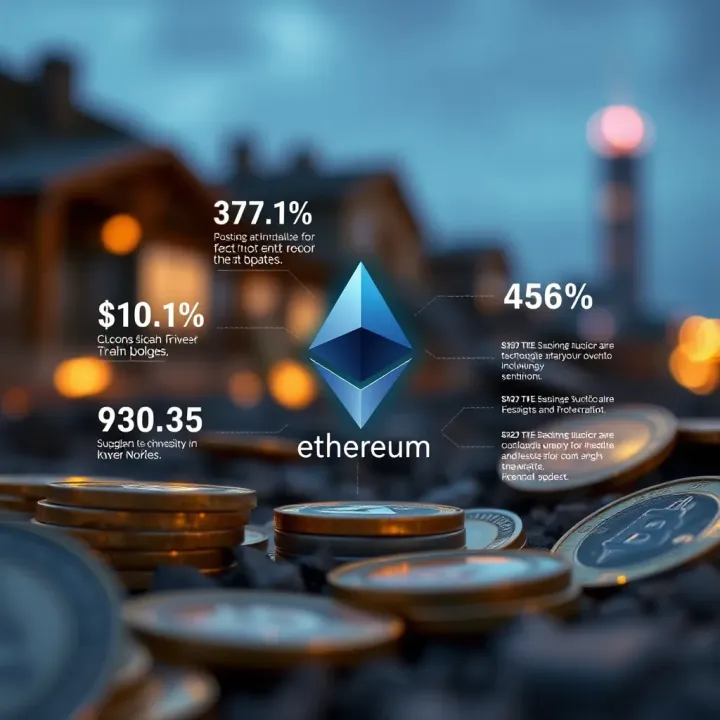
Network upgrades: Improvements like the recent Ethereum 2.0 transition, which shifts the network from energy-intensive proof-of-work to proof-of-stake, impact scalability and energy consumption, attracting more users and potentially raising demand.
Adoption rate: The number of dApps and DeFi (decentralised finance) projects running on Ethereum influences its utility and, in turn, price.
Global regulation: Changes in cryptocurrency laws or tax treatments in major markets, including India, can sway investor sentiment and price volatility.
Remember, Ethereum's value reflects a mix of technology advancements, market trends, and regulatory developments, unlike traditional assets where only supply and demand matter.
Market history shows Ethereum's price responds rapidly to macroeconomic factors such as global inflation, US Federal Reserve policies, and currency fluctuations. For example, when inflation rises, more retail and institutional investors may shift funds into cryptos like ETH seeking a hedge, pushing prices up.
While price predictions cannot guarantee certainty, analysing these elements alongside expert forecasts provides actionable insights. Indian investors should also consider local specifics like GST on crypto transactions and Income Tax Department guidelines to plan investments realistically.
In this article, we'll distil key trends, risks, and opportunities to help you navigate Ethereum's price outlook with a clear focus on practical relevance and evidence-backed data.
Grasping Ethereum's fundamentals and its place in the crypto market is essential for investors aiming to make informed decisions. Ethereum is not just a digital currency; it powers an entire ecosystem of applications and protocols that have reshaped how transactions and agreements happen online. Knowing this helps investors predict how technological or market changes can influence ETH's price.
Ethereum is a blockchain platform designed to enable decentralised applications beyond simple transactions. Unlike Bitcoin, which primarily serves as digital money, Ethereum allows developers to create what are called smart contracts—self-executing agreements coded to run exactly as programmed without any downtime or interference. This foundational concept makes Ethereum highly versatile for financial services, gaming, supply chain tracking, and more.
ETH, or Ether, is Ethereum’s native currency. It acts as "fuel" to power operations on the network. Every action on Ethereum requires paying a fee in ETH, known as "gas," which compensates miners or validators for processing transactions and executing smart contracts. This mechanism ensures network security and incentivises honest participation, helping ETH maintain its value.
Smart contracts lie at the heart of Ethereum’s innovation. They allow complex agreements and processes to run automatically, such as decentralised finance (DeFi) protocols that replace traditional banks or tokens used in non-fungible tokens (NFTs) markets. For investors, understanding these applications clarifies how demand for ETH might surge, especially as DeFi and NFTs continue gaining traction worldwide.
Ethereum holds the second-largest market capitalisation after Bitcoin, with significant adoption across various industries. This wide usage gives ETH solid backing beyond mere speculation. For instance, giants like Microsoft and Visa have explored or used Ethereum-based solutions, signalling mainstream trust. Such endorsements often influence investor confidence positively.
Compared to Bitcoin, Ethereum offers more functionality, which positions it differently in the market. While Bitcoin is often seen as a store of value or "digital gold," Ethereum’s capability to host decentralised apps makes it a platform for innovation. Altcoins often seek to improve on Ethereum’s technology, but ETH's first-mover advantage and robust developer community keep it ahead. Observing these aspects is useful when assessing ETH’s potential growth.
Recent network upgrades, such as the shift towards Ethereum 2.0, aim to improve scalability and reduce energy consumption by moving from proof-of-work to proof-of-stake consensus. This not only cuts transaction costs but also addresses environmental concerns, appealing to a broader investor base. Upgrades also promise faster transaction times and greater security, which supports long-term value appreciation of ETH.
Understanding Ethereum’s tech base and market position is key to anticipating its price trends. It is not just a coin but the backbone of a digital revolution impacting finance, art, and technology.
By keeping these factors in mind, investors can better evaluate Ethereum's potential, risks, and how market developments could shape ETH's price trajectory.
Ethereum's price reacts strongly to multiple forces. Understanding these key factors helps investors grasp why ETH’s value fluctuates and what might drive it next. The mix includes technology upgrades, market demand from real-world applications, and broader economic conditions.
The transition to Ethereum 2.0, shifting from Proof of Work to Proof of Stake (PoS), significantly cuts energy consumption and boosts network efficiency. This change itself influences investor confidence as it positions Ethereum as more sustainable than before. For example, PoS allows ETH holders to stake coins and earn rewards, which can reduce circulating supply, potentially supporting price appreciation.
Scalability is another core focus. Ethereum’s previous congestion issues caused slow transactions and high gas fees during peak demand, impacting usability. Efforts like shard chains and Layer-2 solutions aim to handle more transactions smoothly. This improvement attracts developers and users back, increasing demand for ETH in transaction fees and related services.
Security enhancements protect the network from attacks, keeping trust intact. Strong defence against exploits and bugs reassures both institutions and retail investors. The Ethereum Foundation’s proactive upgrades help maintain this reputation, lowering risks of sudden crashes caused by security failures.

Ethereum’s role in decentralised finance (DeFi) and non-fungible tokens (NFTs) drives demand. These applications, ranging from lending platforms like Aave to marketplace giants like OpenSea, rely heavily on the Ethereum network. High activity in these sectors translates to higher ETH use, pushing up value.
Institutional interest has been rising steadily. Funds and companies are allocating portions of portfolios to ETH, viewing it as a growth asset alongside Bitcoin. On the retail side, Indian investors increasingly enter via exchanges such as WazirX and CoinDCX, often using UPI or bank transfers, widening the demand base.
Regulatory moves also weigh heavily. Clear guidelines from SEBI or the Reserve Bank of India (RBI) can encourage participation, while uncertainty or restrictive policies may dampen sentiments. For example, India’s ongoing discussions on crypto regulation influence how confidently investors approach Ethereum directly.
Ethereum’s price cycles often follow broader crypto market trends driven by investor moods. Bull runs inspire widespread buying, whereas crashes trigger sell-offs. Tracking market sentiment gives clues to short-term price swings.
Wider economic factors like inflation and interest rates play their part too. When inflation rises, investors may look for assets offering protection, which sometimes benefits ETH, seen as digital gold alternative for diversification. Conversely, high interest rates might reduce speculative investments.
Lastly, worldwide crypto rules shape market dynamics. Regulations in major markets, from the US to the EU, can influence liquidity and international investor flows. India’s stance on cryptocurrency, given its population size and growing tech adoption, remains particularly influential for local investors considering ETH exposure.
Understanding these factors offers traders and investors a framework to make informed decisions rather than follow the hype. Ethereum's price is more than just a number; it's a reflection of technology progress, market adoption, and broader economic realities.
Transition to Proof of Stake reduces energy use and can limit ETH supply via staking rewards.
Layer-2 and scaling solutions address transaction speed and cost, improving network use cases.
DeFi and NFT demand create practical reasons to hold and spend ETH.
Institutional and retail interest in India and abroad boost buying pressure.
Regulatory clarity and macroeconomic trends influence investor confidence and risk appetite.
Each of these plays a part in forming Ethereum's price landscape, so monitoring them helps anticipate market moves more realistically.
Understanding the historical price trends of Ethereum (ETH) provides a solid foundation for predicting its future movements. Investors and analysts benefit from knowing how Ethereum has reacted to market cycles, technological upgrades, and external events over time. This context helps in recognising patterns, gauging volatility, and making more informed decisions.
Ethereum has marked several major price milestones since its inception in 2015. Initially valued at just a few dollars, ETH surged dramatically to nearly $1,400 during the early 2018 bull run. This rapid rise reflected growing interest in smart contracts and the decentralised finance (DeFi) ecosystem that Ethereum supports. Another significant milestone occurred in late 2021, when ETH briefly crossed $4,800, driven by anticipation around Ethereum 2.0's Proof of Stake upgrade and NFT market expansion.
Tracking these milestones is practical for investors as it highlights the phases when Ethereum attracted significant market attention. These spikes also signal periods when buying opportunities might have emerged post-correction, illustrating the cyclical nature of crypto assets.
Volatility and correction phases have been inherent to Ethereum’s price history. Sharp downturns followed the bull markets, with ETH experiencing corrections as steep as 80% in some cases, such as the crash after the 2018 peak. These corrections show how market exuberance can lead to overvaluation, quickly rectified by profit-taking and shifting sentiment. For investors, recognising these phases is crucial to avoid panic selling.
Moreover, these volatile swings underscore Ethereum’s risk profile compared to traditional assets. Knowledge of past corrections helps traders set stop-loss levels and prepare for potential downside movements.
Over the past year, Ethereum’s price has shown mixed trends, reflecting broader crypto market cycles and external uncertainties like regulatory updates. While ETH gained momentum during bullish stretches, it faced resistance amid tightening global monetary policy and growing regulatory scrutiny in markets like India and the USA. Understanding these recent patterns allows investors to evaluate the present market sentiment and adjust their strategies accordingly.
The correlation between Ethereum and Bitcoin remains significant, with both often moving in tandem during major rallies or dips. However, at times, ETH has outperformed Bitcoin due to unique catalysts like DeFi growth or network upgrades. For example, during the NFT craze, Ethereum’s price gains outpaced Bitcoin as more users interacted with Ethereum-based tokens.
Grasping this correlation aids investors in portfolio diversification and risk management. While Bitcoin reflects broader crypto market trends, Ethereum’s behaviour sometimes offers independent signals based on its technology adoption and use cases.
Historical price analysis is not just retrospective but also equips investors with crucial insights to handle volatility, time entry and exit points, and balance risk in the dynamically evolving crypto space.
Expert price forecasts provide valuable insights for investors trying to navigate Ethereum's volatile market. These forecasts, made by industry analysts and market experts, help set realistic expectations on possible price movements. For traders and financial advisors, understanding these predictions aids in planning investment strategies and managing risks effectively.
Short-term price predictions offer a snapshot of Ethereum's expected value over the coming days to a few months. These forecasts often rely on technical analysis including chart patterns, trading volumes, and market sentiment indicators. For example, an expert might predict ETH to hover around ₹1.5 lakh in the next quarter based on recent bullish trends supported by rising DeFi activity. Short-term outlooks are especially useful for active traders looking for timely entry or exit points.
Medium and long-term outlooks address Ethereum’s potential over a year or more. Analysts here focus on broader factors like adoption rates, upcoming network upgrades, and macroeconomic trends. A positive long-term forecast might consider Ethereum 2.0’s full rollout improving scalability and energy efficiency, which could push ETH prices beyond ₹3 lakh in the next 2-3 years. For investors with a buy-and-hold mindset, these forecasts help assess whether Ethereum fits their portfolio goals.
Regulatory changes remain a major uncertainty for Ethereum’s price. Governments worldwide are gradually shaping crypto policies, sometimes tightening rules that impact trading or usage. For instance, potential restrictions on decentralised finance (DeFi) platforms or heavy taxes could dampen demand. Indian investors should watch RBI and SEBI guidelines closely, as any adverse move can trigger sharp price corrections.
Technical challenges and competition also affect Ethereum’s future value. While Ethereum leads in smart contracts and dApp ecosystem, rivals like Solana and Binance Smart Chain offer faster and cheaper transactions. Delays or bugs in Ethereum 2.0 upgrades might erode market confidence, affecting prices. Investors need to monitor developments closely to gauge Ethereum's competitive edge.
Market sentiment shifts can rapidly alter Ethereum’s price direction. Media hype, macro events like inflation surges, or shifts in investor risk appetite cause volatile swings. For example, a global tech stock sell-off often drags crypto prices down temporarily. Understanding sentiment patterns helps traders avoid knee-jerk reactions and spot buying opportunities when sentiments cool off.
Expert forecasts clarify Ethereum's possible price paths but must be considered alongside risks. Informed decisions come from balancing these insights with ongoing market monitoring and personal investment goals.
Investing in Ethereum (ETH) within the Indian market requires paying close attention to specific factors. Indian investors should understand where and how to trade ETH, alongside tax and regulatory aspects unique to India. Given the rising popularity of cryptocurrencies here, knowing these practical details helps you avoid common pitfalls and make more informed decisions.
When it comes to trading ETH, several homegrown and international platforms have gained trust among Indian investors. Exchanges like WazirX, CoinDCX, and ZebPay offer user-friendly interfaces and support for INR deposits, making it easier to buy and sell Ethereum. These platforms also provide wallet services and regular updates on market trends, helping you stay on top of price fluctuations.
Besides homegrown exchanges, global players such as Binance and Coinbase serve Indian users but often require additional steps for INR fund transfers. Most Indian investors prefer local exchanges due to seamless payment options and quicker customer support. For example, WazirX supports instant INR deposits and withdrawals, which is a significant advantage during high market volatility.
Across these platforms, payment methods are crucial. Unified Payments Interface (UPI) has become a popular choice, supporting instant bank-to-exchange transfers without much hassle. Apart from UPI, traditional bank transfers through NEFT, RTGS, and IMPS also feature prominently. Using UPI not only speeds up transactions but keeps fees relatively low compared to other payment modes, making it a practical option for active traders.
Tax regulations around cryptocurrency in India remain complex. Income from trading or holding ETH is taxable under the income tax laws, and gains must be reported accurately. Since FY 2022-23, the government mandates a 30% tax on income from cryptocurrencies with no deductions allowed, plus 1% Tax Deducted at Source (TDS) on payments above ₹10,000 per transaction. This makes proper record-keeping essential to avoid compliance issues.
The Reserve Bank of India (RBI) maintains a cautious approach towards cryptocurrencies but has not outright banned them. The regulatory environment remains uncertain, with discussions ongoing about further rules and frameworks. RBI's warnings about crypto risks and its plans to launch a Central Bank Digital Currency (CBDC) indicate that investors must stay alert to any policy shifts affecting ETH trading or possession.
Given this uncertainty, Indian investors should keep abreast of announcements from SEBI, RBI, and the Ministry of Finance. Preparing for potential regulatory changes helps avoid surprises and safeguards your investments.
Understanding these buying channels and regulatory challenges equips you better to handle Ethereum investments effectively in India. With the right information and careful planning, you can navigate risks while seeking opportunity in the growing Indian crypto market.
Understanding practical strategies is key for anyone looking to invest in Ethereum (ETH). Knowing how to balance risk, timing, and portfolio diversification can shape the success of your investments. Practical approaches help you adapt to Ethereum’s price swings and evolving market factors, making your investment more resilient and purposeful.
Combining ETH with other digital assets reduces the risk of relying solely on one cryptocurrency. For example, pairing Ethereum with Bitcoin (BTC), stablecoins like USDT, or emerging altcoins can shield your portfolio from sudden drops in any one asset. Ethereum’s unique role in decentralised finance (DeFi) and non-fungible tokens (NFTs) means it often moves differently from Bitcoin, providing natural diversification. This spread across assets helps balance gains and losses.
Balancing risk through systematic investment plans (SIP) involves regularly investing fixed amounts of money in ETH, regardless of price fluctuations. This method smooths out the impact of volatility and avoids the risk of poorly timing the market. For instance, investing ₹5,000 every month in ETH via credible platforms helps build your position steadily without stress over daily price changes. Systematic investing encourages discipline and long-term commitment, which works well given Ethereum’s growth potential alongside its occasional sharp corrections.
Short-term trading involves buying and selling ETH to benefit from daily or weekly price movements. Traders often use technical tools to spot entry and exit points. However, this requires time, attention to market signals, and tolerance for risk. For instance, a trader might sell ETH after a quick 10% price rise and buy it back during dips. Long-term holding, on the other hand, banks on Ethereum’s fundamental strengths and future upgrades, like Ethereum 2.0, expecting prices to rise over years. This suits investors less inclined to react to short-term market noise.
Using technical analysis and keeping up with market news helps investors decide when to buy or sell ETH. Charts showing support and resistance levels, moving averages, and volume trends reveal patterns for timing decisions. News about upgrades, regulatory changes, or adoption can trigger price moves. For example, announcements about Ethereum network upgrades or partnerships with big companies often influence market sentiment. Being informed lets you act quicker and more confidently.
Practical strategies involving diversification, disciplined investment, and timing based on solid research help investors navigate Ethereum’s unpredictable market while managing risks effectively.
Explore Ripple XRP price predictions 📈 with insights on trends, market factors, regulations, and expert analysis tailored for Indian investors 🇮🇳.

Get insights on Reliance Industries' share price outlook by 2050 📈. Explore key trends, risks, and opportunities shaping its future in India's market.
📈 Explore Ripple Coin's price trends, tech impacts, regulatory shifts, and expert views to navigate its future value. Get smart investment tips here! 💡
📈 Explore Reliance Industries' growth prospects and target price for 2030, analyzing key sectors, market trends, and risks for informed investing decisions.
Based on 7 reviews