

Demo Trading Apps Guide for Indian Investors
Explore how demo trading apps let Indian investors trade risk-free with virtual money, learn to choose the right app & sharpen your market skills 📱₹
Edited By
Sophie Hamilton
Daily trade apps have reshaped how Indian investors interact with financial markets. These mobile applications bring the stock exchange right to your fingertips, allowing you to monitor, buy, and sell shares throughout the trading day with a few taps. Unlike traditional methods that involved brokers and paperwork, daily trade apps provide instant access and speed, crucial for timely decisions in fast-moving markets.
These apps typically connect to exchanges like the National Stock Exchange (NSE) and Bombay Stock Exchange (BSE), offering real-time price updates, charts, and news. Popular apps such as Zerodha Kite, Upstox Pro, and Angel One have millions of users thanks to their user-friendly interfaces and robust features.
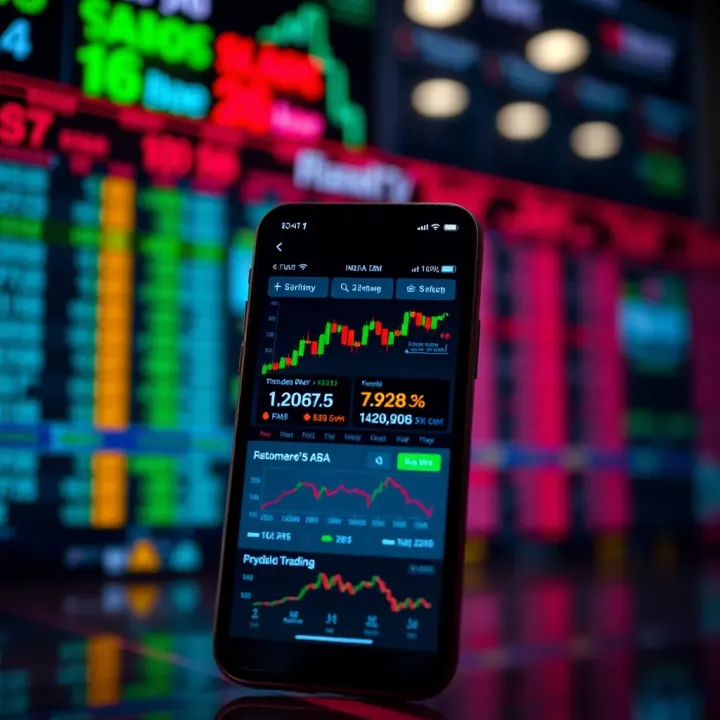
For active traders and investors, a reliable daily trade app means the difference between catching market opportunities and missing out.
Key features common in these apps include:
Real-time market data: Live stock prices without delay.
Order placement and tracking: Buying and selling shares instantly, tracking order status.
Advanced charts and technical indicators: Tools to analyse price trends and volume.
Customisable watchlists and alerts: Monitor chosen stocks and get price or news notifications.
Most apps also allow trading in equities, derivatives like futures and options, commodities, and mutual funds, giving users a range of investment options.
Trading with these apps requires linking your Demat (dematerialised) account and trading account through a broker. Several Indian fintech firms now offer zero-brokerage or flat-fee models, helping reduce transaction costs for frequent traders.
Understanding how these apps work helps investors make informed choices about which platform suits their trading style. Whether you are day trading or investing for the long term, having the right tool can improve decision-making, execution speed, and portfolio management.
Next, we will explore how daily trade apps function behind the scenes and what you should look for before picking one to trade on.
Daily trade apps have reshaped how Indian investors connect with the markets. These apps act as the bridge between investors and the stock exchanges, offering real-time access to trade equities, commodities, and derivatives directly from a mobile or desktop. Understanding these apps is key to making swift, informed decisions essential for daily trading.
Daily trade apps are digital platforms designed to facilitate regular buying and selling of financial instruments like shares, mutual funds, or futures contracts. Unlike traditional brokers who relied on phone calls or physical paperwork, these applications provide instant trade execution, updated market data, and portfolio tracking on your handset or laptop. For example, Zerodha Kite and Upstox are popular apps enabling users to place orders, check live prices, and monitor their investments anytime, anywhere.
These apps often include features such as charts, technical indicators, watchlists, and alerts to support trading strategies. The convenience of immediate order placement and swift settlement updates helps traders act on market movements as they occur.
In India, daily trade apps have lowered barriers for retail investors, letting them participate more actively in stock markets which were once perceived as complex or limited to broker firms.
The rise of affordable internet and mobile penetration in tier-2 and tier-3 cities further pushed growth. Investors can now access NSE and BSE directly through apps, irrespective of their location. Additionally, many platforms integrate payment services using UPI or net banking, simplifying fund transfers.
The Securities and Exchange Board of India (SEBI) has also encouraged digital brokerage by making KYC (Know Your Customer) processes easier with Aadhaar e-KYC, speeding up onboarding. This eco-system supports not only stock trading but also commodities and currency derivatives, making daily trade apps crucial tools for traders aiming to capitalise on market volatility or short-term trends.
Daily trade apps bring real-time market access, ease of execution, and risk management tools directly to your fingertips, aligning perfectly with India’s expanding digital economy and investor base.
In short, mastering how these apps work is the first step for any Indian investor hoping to trade efficiently and stay ahead in fast-moving markets.

Understanding the core features of daily trade apps is vital for investors who want to make informed decisions in India’s fast-moving stock markets. These apps offer tools designed to support quick analysis, swift execution, and risk mitigation—all essential for effective daily trading.
Immediate access to live market data is the backbone of daily trading. Without it, you’d be flying blind. Reliable apps provide real-time stock prices, indices movements, and commodities rates, giving you the edge to capitalise on small price fluctuations. For instance, Zerodha Kite offers extensive charting tools and intraday indicators that help traders spot trends as they happen—critical when timing entry or exit points. Without timely data, even a moment’s delay can cost hard-earned profits.
Daily traders rely on varied order types to implement their strategies efficiently. Common order types include market orders, limit orders, stop-loss, and bracket orders. A market order executes immediately at the current price, while limit orders specify a price ceiling or floor. Fast execution speeds matter because in volatile markets, milliseconds can make the difference between a profitable trade and a loss. Platforms like Upstox ensure low latency for order execution, which benefits highly active traders who do multiple transactions daily.
A cluttered or complicated interface can slow you down or lead to costly errors. Top daily trade apps recognise this and prioritise clear, intuitive layouts with easy navigation. Features like customised watchlists, one-touch trading, and quick toggling between charts or fundamentals make the experience smoother. Apps such as Angel One offer clean dashboards and shortcuts that suit busy traders who must act fast while avoiding mistakes, especially during high volatility periods.
Risk management is often less discussed but absolutely critical to preserve capital. Trusted daily trade apps provide built-in tools such as stop-loss orders and alerts to prevent severe losses. Some apps also feature risk calculators and portfolio trackers that highlight exposure levels across different sectors or asset classes. For example, 5Paisa includes risk profiling and portfolio diversification suggestions that help users balance their trades thoughtfully rather than chasing every opportunity recklessly.
The right combination of real-time data, fast execution, user-friendly design, and proactive risk management features makes daily trade apps indispensable for Indian investors trading on a tight schedule.
Grasping these core features can turn your trading journey from guesswork into a more calculated, confident activity.
Choosing the right daily trade app matters a lot for Indian investors. These apps not only provide smooth access to markets but also offer unique tools that cater specifically to the Indian trading environment, such as support for NSE, BSE, and commodities exchanges. Understanding popular options helps you pick an app that suits your trading style and financial goals.
Zerodha Kite is among India's most widely used trading platforms. What stands out is its clean interface combined with powerful features like interactive charts, market depth data, and real-time news alerts. It supports all key order types and integrates seamlessly with Zerodha's back-end brokerage services. For example, traders often rely on Kite’s advanced charting tools for technical analysis during volatile sessions. Besides equity trading, Kite also enables commodity and currency trading, making it versatile for diverse portfolios.
Upstox has grown quickly by offering affordable brokerage and a user-friendly mobile app. The platform is popular among young traders for its fast execution speeds and direct market access (DMA). Its mobile app provides features like price alerts and portfolio tracking, which are handy for monitoring day trades on the go. Upstox also partners with large Indian banks, streamlining the account opening and fund transfer process through UPI, which adds to user convenience.
Angel One has a strong presence in retail trading with its comprehensive offerings. The app supports a range of segments including equities, mutual funds, and derivatives. It is known for its research reports and advisory services within the app, which can help investors make informed decisions without toggling between platforms. Angel One also offers integrated financial planning tools, which suits traders who want to combine short-term trading with longer-term investment strategies.
5Paisa targets cost-conscious traders, providing one of the lowest brokerage charges with an easy-to-use interface. The app's highlight is its simplicity and quick account setup. Many rural and semi-urban investors prefer it as it requires minimal paperwork. On top of 5Paisa, other contenders like Groww, Paytm Money, and Motilal Oswal offer interesting features like easy mutual fund integration or specialised advisory content, giving investors plenty of choices depending on their specific needs.
Picking the right app is about matching your trading habits, budget, and desired features. Trying demo accounts or reading user reviews before settling can save you hassle later.
By understanding what these popular apps provide, you can make smarter decisions on tools that really support your daily trading needs in India's fast-changing markets.
Mastering daily trade apps means more than just opening an account and clicking buttons. To truly benefit, you must understand how to set up your profile carefully, place trades with awareness, apply sound strategies, and avoid common pitfalls that many beginners face.
Getting your account ready starts with completing the Know Your Customer (KYC) process. This is mandatory in India and ensures your identity and financial background are verified as per regulatory standards. You’ll need documents like Aadhaar card, PAN card, and a bank statement for address proof. Most apps guide you through this digitally, often using e-KYC via Aadhaar OTP verification, making it hassle-free. Remember, a correctly set up account not only complies with regulations but also protects against fraud and enables smooth transactions.
Once your account is active, placing trades efficiently becomes crucial. Daily trade apps generally offer market watchlists and quick order placements with options like limit orders or market orders. For instance, Zerodha Kite allows you to set stop-loss orders to limit potential losses instantly. Monitoring your investments regularly helps you respond to market movements timely. Use app features like real-time alerts and portfolio trackers to keep an eye on your gains and losses without second-guessing.
Daily trading is about quick decisions backed by research. A simple but effective approach is to focus on high-volume stocks with good liquidity; this reduces slippage and helps exit positions quickly. You might start with a scalping strategy, taking small profits off minor price changes several times a day. Alternatively, momentum trading based on news releases or technical indicators like moving averages can work well. However, it’s better to choose one strategy, understand it well, and stick to it rather than juggling multiple approaches without proper study.
Many traders jump in without a plan or risk management, leading to losses. Avoid trading based on rumours or tips without your own analysis. Overtrading can burn your capital quickly, especially with brokerage charges adding up. Never ignore setting stop-loss orders; they act as your safety net in volatile markets. Also, don’t invest money you can’t afford to lose, and don’t chase losses by increasing trade sizes recklessly. Staying disciplined and patient is key to long-term success.
Using daily trade apps effectively involves careful preparation and disciplined execution. The technology makes trading accessible, but success depends on how wisely you use the tools.
By setting up your account properly, understanding the trade mechanics, applying tested strategies, and avoiding avoidable errors, you can make the most out of daily trade apps in India’s fast-paced markets.
Understanding risks and regulatory rules is key when using daily trade apps. Indian investors must recognise that despite the convenience these apps bring, the market's volatility and compliance requirements demand attention. Managing these aspects well helps you safeguard capital and trade confidently.
Stock markets naturally swing up and down; daily trade apps often encourage quick decisions, which can raise the stakes. Price movements can be sudden, especially in derivatives or volatile sectors like IT or pharma. For instance, a sharp announcement in the Indian market, such as RBI’s interest rate change, can trigger swift price shifts. Traders should avoid overleveraging and use stop-loss orders to cap potential losses. Remember, daily trading isn't suited for every investor; the chance of losing money quickly is high without proper risk management.
Trade apps handle sensitive user data like PAN details, bank accounts, and transaction history. This personal information must be protected from breaches. In India, cases of mobile malware and phishing scams targeting investors have surfaced. Always use apps from verified brokers like Zerodha or Upstox, which comply with data protection standards. Enable two-factor authentication, avoid public Wi-Fi for trading, and update apps regularly to shield your details. Beyond app security, beware of fake apps that mimic genuine platforms to steal credentials.
The Securities and Exchange Board of India (SEBI) regulates trading platforms to protect investors and ensure market integrity. Daily trade apps must comply with SEBI guidelines, like executing trades transparently and maintaining client funds separately. SEBI’s rules prevent practices like insider trading and market manipulation, contributing to fairer trading. For Indian investors, verifying that your chosen app is SEBI-registered is a must. Additionally, adherence to Know Your Customer (KYC) norms and reporting of suspicious transactions are part of the regulatory framework aimed at fairness and safety.
Staying aware of market risks and regulatory safeguards helps you avoid pitfalls and trade with peace of mind. Always prioritise security, confirm app legitimacy, and manage risks to make the most of daily trade apps.
By understanding these risks and rules, Indian investors can better navigate daily trading without falling prey to common traps or scams. With due diligence and a cautious approach, daily trade apps become powerful tools rather than sources of worry.
Explore how demo trading apps let Indian investors trade risk-free with virtual money, learn to choose the right app & sharpen your market skills 📱₹

Explore India's top trading apps 📱 comparing fees, features, user experience, security and support to help you pick the best platform for equity, commodity & derivatives trading.

Explore how binary trading apps work in India 🇮🇳, understand risks and regulations, and find top platforms with handy tips to trade smarter in financial markets 📱💹.

Choose the best trading website for Indian investors with insights on fees, security, tools & investment options 🌐. Ideal for beginners & experienced traders alike.
Based on 12 reviews