

Choosing the Right Trading App: Key Tips
Find the best trading app in India with expert tips on features, security, costs, and usability 📱💰. Perfect for beginners and seasoned traders alike!
Edited By
James Stratford
Forex trading platforms serve as the essential interface between traders and the global currency markets. Choosing the right platform can significantly influence your trading experience, costs, and ultimately, the profits or losses you make.
These platforms facilitate buying and selling foreign currencies online, offering tools for market analysis, order execution, and account management. For instance, platforms like MetaTrader 4, MetaTrader 5, and proprietary apps from Indian brokers such as Zerodha or Upstox are popular among Indian traders due to their integration with domestic banking systems and compliance with regulations.
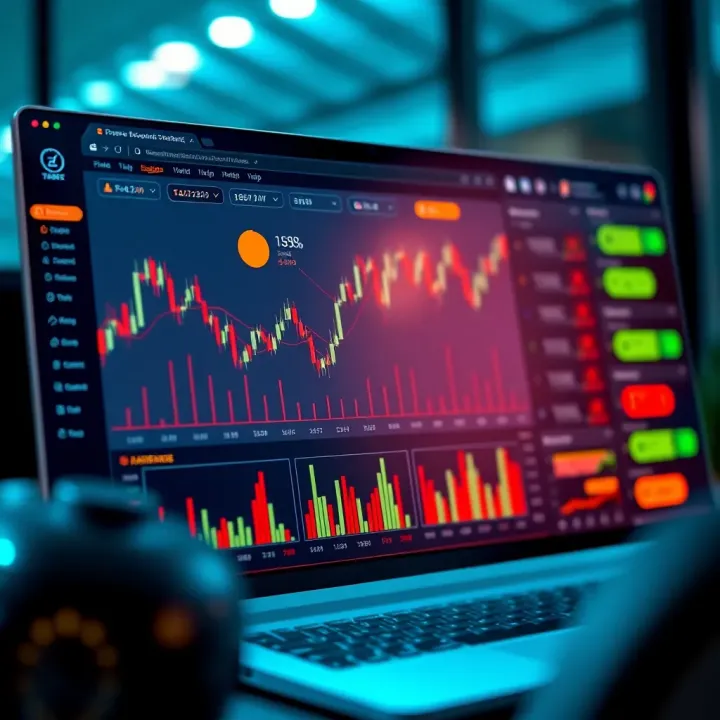
When selecting a forex trading platform, consider these key features:
User Interface and Experience: A clean, intuitive design helps prevent errors during rapid trades. Platforms like MT4 offer customizable charts and dashboards.
Execution Speed and Reliability: Delays or downtime can cause missed opportunities, especially during volatile market hours.
Range of Currency Pairs: A wider selection allows diversification; major pairs like USD/INR or EUR/USD are critical for Indian traders.
Leverage and Margin Options: These affect potential returns but also amplify risks.
Analytical Tools and Indicators: Features such as real-time charts, technical indicators, and economic calendars aid in making informed decisions.
Security Measures: Robust encryption and two-factor authentication protect your funds and data.
Costs matter too. Brokerage fees, spreads, rollover charges, and withdrawal costs vary widely. Indian traders should check if the platform charges in rupees or foreign currency, which affects conversion costs.
Moreover, compliance with Indian regulations is non-negotiable. The Reserve Bank of India (RBI) and Securities and Exchange Board of India (SEBI) oversee forex transactions. Ensure the platform operates under their guidelines, especially regarding permitted currency pairs and leverage limits.
Choosing a platform that aligns with your trading style, meets regulatory requirements, and balances costs will help you navigate the forex markets effectively.
Understanding these factors early can save you from costly mistakes and improve your chances of sustained success in forex trading.
Understanding forex trading platforms is essential for anyone looking to enter the forex market or improve their trading efficiency. These platforms act as the bridge between traders and the foreign exchange market, enabling real-time trading, analysis, and management of positions. Having a solid grasp of their features and types can help traders pick tools that fit their trading style and goals, reducing errors and enhancing decision-making.
For instance, a trader who prefers technical chart analysis will benefit from a platform offering advanced charting tools and indicators. Similarly, one prioritising quick execution might focus on platforms known for minimal latency. Understanding these distinctions helps avoid unwanted surprises like delays or hidden fees that could impact profits.
A forex trading platform is software through which traders buy and sell currencies online. It provides access to live currency prices, market news, order placement options, charting tools, and account management features. Consider it the trader’s cockpit, offering control, information, and execution capabilities in one place.
Without a platform, individual traders cannot directly access the forex market, which operates over-the-counter globally. Hence, these platforms are offered by brokers who connect retail traders to liquidity providers, making the world's largest financial market accessible.
Desktop platforms are installed on a computer and typically provide robust features and stability. These programs often support custom indicators, automated trading strategies (Expert Advisors in MetaTrader), and detailed historical data analysis. For example, MetaTrader 4 (MT4) and MetaTrader 5 (MT5) are popular desktop platforms among Indian traders valuing deep charting and automation.
Because desktop platforms rely on computer resources, they tend to be faster and can handle complex operations better. However, they require installation, updates, and are limited to the device they're on. Traders working from a dedicated office setup with reliable internet often prefer this for intensive trading.
Web platforms run entirely in browsers without the need to download software. This offers flexibility to trade from any device with internet, whether from a café in Bengaluru or a hotel room in Goa. Brokers like Zerodha now offer browser-based interfaces facilitating quick access and live updates.
While these platforms ensure convenience and access, they may lack some advanced features of desktop software. That said, modern web platforms have significantly improved, offering real-time charts, integrated market news, and one-click trading, suitable for traders who want to avoid the hassle of installations.
Mobile trading applications put the forex market literally in your pocket. Available for Android and iOS, these apps enable monitoring your portfolio, placing orders, and accessing news anytime, anywhere. With an app like ICICI Direct or HDFC Securities, Indian traders can check market runs during office breaks or while commuting.
Mobile apps prioritise ease of use but sometimes limit in-depth analysis, given screen size and processing constraints. Still, for quick trades, setting stop-loss orders, or monitoring positions during volatile sessions, mobile apps are invaluable tools. Notifications and alerts feature prominently, helping traders react swiftly.
Successful forex trading hinges on choosing the right platform type that matches your trading routine, technical needs, and lifestyle. Whether you prefer the power of desktop software, convenience of web platforms, or agility of mobile apps, understanding these options is the first step to smarter trading.
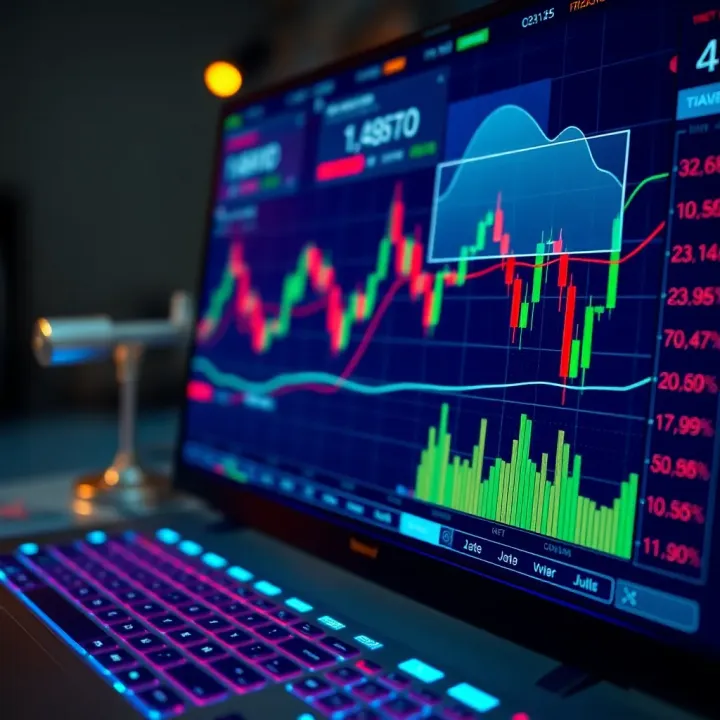
Choosing the right forex trading platform begins with understanding the features that really matter. Each element impacts how efficiently and safely you can trade. From ease of navigation to analytical tools, these features shape your entire trading experience.
A clean, straightforward interface is vital, especially for new traders. If you find yourself hunting for buttons or tangled in complicated menus, you’re likely to miss critical trade opportunities. For example, a platform like Zerodha’s Kite offers a neat dashboard that makes placing orders quick and intuitive. At the same time, it should provide enough flexibility for advanced traders to customise layouts easily.
The forex market moves fast, and decisions often rest on good data interpretation. Platforms that offer real-time, customisable charts with indicators like RSI, MACD, and Bollinger Bands help you spot trends early. For instance, MetaTrader 4 not only delivers these charts but also supports automated scripts that can alert you based on your chosen strategies. You want tools that give you insight without overwhelming you.
Speed makes a difference when the market swings suddenly—slower platforms can result in missed profit or bigger losses. Look for platforms backed by robust servers with proven uptime records. Indian traders have noted that platforms like Upstox provide consistent execution speeds, helping traders lock in intended prices without delay. Similarly, reliability means the platform stays responsive even during high traffic, avoiding freezes or crashes.
Not all platforms list the same currency pairs or trading instruments. If your interest lies in exotic pairs or additional instruments like commodities or indices, verify their availability. For example, a trader who wants to explore USD/INR alongside other global pairs should confirm the platform supports those trades. Having variety widens your chances to diversify and manage risk better.
Trading forex comes with inherent risks, so tools to help you control losses are indispensable. Features like stop-loss orders, take-profit settings, and margin alerts allow you to automate risk limits. Platforms such as ICICI Direct enable these risk management functions clearly, reducing the chances of manual error. You should also check if the platform provides educational resources on managing leverage responsibly.
Picking a forex platform is not just about technical specs — it’s about how well these features cater to your trading style and safety. Choose with care and test options when possible to find the best fit.
In summary, focusing on user-friendly design, sharp analytical tools, fast execution, diverse offerings, and solid risk controls puts you on the path to trading effectively and confidently.
Understanding the costs involved in forex trading platforms is essential to manage your investments effectively. These costs directly affect your potential profits and losses, so knowing them upfront helps you plan better. Typically, the main charges include the spread and commission fees, overnight or swap charges, and deposit or withdrawal fees.
The spread is the difference between the buying (bid) and selling (ask) price of a currency pair. For example, if the EUR/USD pair has a bid price of 1.1000 and an ask price of 1.1003, the spread is 3 pips. Traders pay this difference as a cost to the broker. Some platforms offer fixed spreads, while others have variable spreads that change with market volatility.
Apart from the spread, some brokers charge a commission per trade, either as a flat fee or a percentage of your trade size. For instance, a commission might be Rs 50 per lot traded, which adds to your trading cost. Choosing a platform with competitive spreads and reasonable commissions helps lower your overall expense.
When you hold a forex position overnight, brokers usually apply swap or rollover charges based on the interest rate difference between the two currencies. Suppose you go long on USD/INR; if the interest on USD is lower than INR, you might pay a swap fee. Conversely, you may receive a small credit when holding the position overnight, depending on the rates.
These charges can add up, especially for long-term traders. It's useful to check the swap rates on your platform before committing to trades that span multiple days. Some brokers offer swap-free accounts, mainly for traders following specific religious practices, but these might come with other restrictions.
Funding your trading account or withdrawing profits often involves fees set by the platform or your payment provider. Indian traders commonly use net banking, UPI apps, or wallets like Paytm and PhonePe. Some platforms charge a flat fee or percentage for deposits and withdrawals, while others offer free transactions up to a limit.
For example, a platform may allow free deposits but charge Rs 100 on each withdrawal. Such fees can eat into your gains if you withdraw frequently in small amounts. Always read the terms carefully to understand these charges. Also, consider the processing time—some methods clear instantly, while others take days.
Keeping a close eye on all these costs will help you pick a forex trading platform that aligns with your trading style and budget. Lower costs mean better returns, but don't compromise essential features just to save a few rupees.
By carefully evaluating spread, commissions, overnight charges, and transaction fees, you can make informed decisions and keep your trading profitable over time.
For Indian traders, compliance and safety standards on forex trading platforms are essential. They not only protect your investments but also ensure you trade within legal boundaries prescribed by Indian financial authorities. Adhering to these standards helps avoid penalties and lets you focus on trading with confidence.
The Reserve Bank of India (RBI) and Securities and Exchange Board of India (SEBI) regulate forex trading activities for residents. RBI mainly governs currency-related transactions and foreign exchange management under the Foreign Exchange Management Act (FEMA). SEBI, on the other hand, oversees securities markets, including derivatives and forex trading linked to recognised exchanges.
For example, trading on recognised platforms like the NSE (National Stock Exchange) or BSE (Bombay Stock Exchange) for currency derivatives is SEBI-regulated. But dealing directly with offshore forex brokers without RBI approval is against regulations and can lead to penalties. So, Indian traders must choose platforms authorised and compliant with RBI and SEBI rules to avoid legal troubles.
Security features in forex trading platforms protect sensitive data and funds from cyber threats. Good platforms use encryption methods such as SSL (Secure Socket Layer) to protect login credentials and financial data. Two-factor authentication (2FA) is also becoming standard, adding an extra security layer to your account.
Moreover, look for platforms with segregation of client funds, meaning your money is held separately from the firm's operational funds. This reduces the risk of fund misuse. Indian traders should prefer platforms with transparent security policies and regular audits, as these practices lower risks of hacking and fraud.
Forex trading in India comes with legal restrictions. Indian residents can legally trade currency pairs involving the Indian rupee (INR) on recognised exchanges under SEBI’s jurisdiction. Trading foreign currency pairs without involving INR or with offshore brokers is prohibited.
For instance, trading USD/EUR or EUR/GBP pairs directly with overseas brokers is not allowed. Such transactions bypass RBI controls and may attract fines. Therefore, it's wise to avoid non-compliant platforms promising exotic currency pairs. Stick to authorised brokers and regulated exchanges to stay safe.
Tip: Always verify if the broker is registered with SEBI and complies with RBI rules before opening an account.
Choosing a forex trading platform that meets Indian compliance and safety standards reduces regulatory risks and enhances secure trading experiences. Indian traders benefit from clear rules that protect their interests while enabling smooth forex market access under government guidelines.
Forex markets are notoriously volatile. Currency values can swing wildly due to global economic events, political changes, or central bank announcements. This volatility means potential for profit, but also significant risks. For example, unexpected news can cause rapid price changes, leading to losses if you are not prepared.
To handle this, use risk management tools offered by the platform, like stop-loss orders that automatically close a trade at a set loss level. Diversify your trades instead of putting all funds into one currency pair. Also, stay updated on economic calendars to anticipate major events impacting currencies. Practising on demo accounts before trading real money helps build confidence in handling market ups and downs.
The forex space attracts scammers due to its lucrative appeal. Fraudulent platforms may offer promises of guaranteed returns or unrealistic bonuses, then hinder withdrawals or manipulate prices. Indian traders must be cautious, especially with overseas platforms unregulated by the Reserve Bank of India (RBI) or the Securities and Exchange Board of India (SEBI).
Always verify if the platform is regulated by trusted authorities like SEBI or RBI. Read reviews from verified users and avoid platforms with poor transparency in fees or trade execution. Using platforms linked to big Indian banks or well-known brokers provides an added layer of safety. Remember, even attractive offers should be questioned before investing.
Leverage can multiply your gains but also your losses. Indian regulators cap leverage levels to protect traders from excessive risk. However, inexperienced traders often use high leverage recklessly, wiping out capital quickly as losses magnify.
To manage leverage well, start with low leverage settings provided by the platform and avoid maxing out your position size. Understand that leverage is a double-edged sword—while it can boost profits, it can equally cause heavy losses if the market moves against you. Keep a strict risk-to-reward ratio in each trade and use margin alerts the platform provides. Practising disciplined leverage use ensures sustainability in forex trading over time.
Identifying these challenges and having clear strategies to address them is crucial. It helps you trade confidently and protects your capital from avoidable pitfalls common in forex trading.
Mastering these aspects will make your forex trading journey smoother and more productive, especially with the right platform backing your decisions.
Find the best trading app in India with expert tips on features, security, costs, and usability 📱💰. Perfect for beginners and seasoned traders alike!

Explore the best forex trading apps in India 🇮🇳 covering features, costs, security, usability & regulations to pick the right platform for your trading goals.
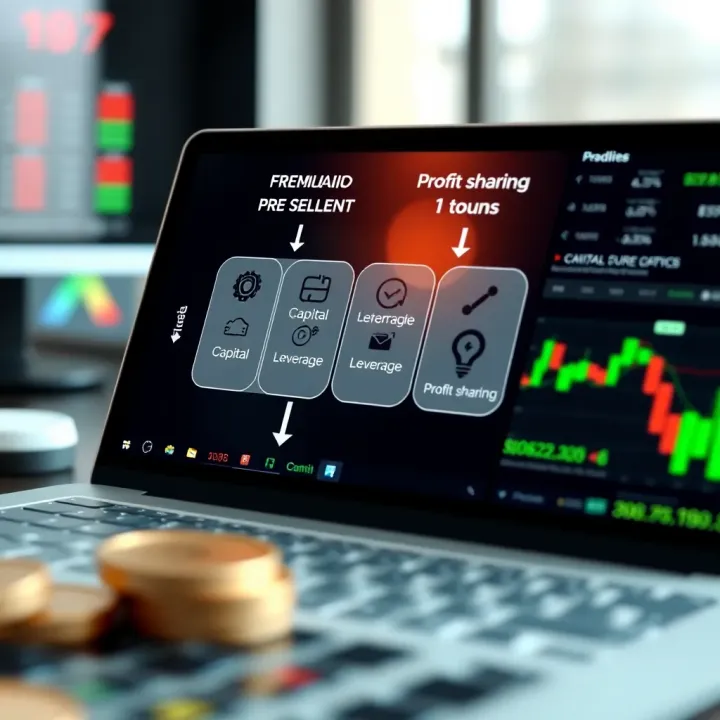
Discover how to pick the best funded forex trading account in India 🇮🇳. Learn about funding size, leverage, profit sharing, and risk rules to grow capital without personal loss 📈

🔍 Explore RBI's legal framework for forex trading in India 🇮🇳. Learn authorized activities, compliance rules, and how individuals & businesses stay within guidelines.
Based on 14 reviews