

Understanding Qutex Trading: A Clear Guide
Explore Qutex trading 📈 with this detailed guide—learn core concepts, setup, execution & risk management to trade smartly in India’s market 🇮🇳.
Edited By
Isabella Mitchell
Trading financial markets has always attracted ambitious individuals dreaming of vast wealth. But the question remains—can trading truly make you a billionaire? The short answer is yes, but the journey is anything but straightforward.
Successful traders who have built sizeable fortunes, like the legendary George Soros or more recently, India’s Rakesh Jhunjhunwala, combine deep market knowledge, rigorous research, and disciplined strategy. Yet, these examples are exceptions rather than the norm. For most, the path is filled with intense risk, market volatility, and emotional pressure.

Trading requires sharp decision-making under uncertainty, and consistent winners invest heavily in strategy development and risk management.
Consider this practical point: to turn trading into a billion-rupee venture, one typically needs substantial starting capital or exceptionally high leverage, both of which increase risk exponentially. Many traders burn through their initial capital quickly without robust plans or emotional control.
Important factors influencing trading success include:
Market understanding: Knowing asset behaviour, international events, and economic trends helps anticipate price moves.
Risk management: Using stop-loss orders, position sizing, and portfolio diversification protects against heavy losses.
Psychological discipline: Avoiding impulsive decisions and sticking to a tested plan prevents costly mistakes.
Even with these elements, structural challenges remain. Market liquidity, regulatory changes by bodies like SEBI, and technological disruptions can impact outcomes.
While trading can be a path to significant wealth, becoming a billionaire demands much more than occasional wins. Realistic traders treat markets as a business—investing in research, technology, and continuous learning to improve.
Grasping what trading actually means is fundamental if you are wondering whether it can make you a billionaire. Trading involves buying and selling financial instruments with the aim of making a profit, often over short periods. Unlike long-term investing, trading demands a clear understanding of market movements, timing, and quick decision-making. Getting to know different trading types and how they work sets a solid foundation before you consider the risks and rewards involved.
Equity trading refers to the buying and selling of shares of companies listed on stock exchanges like the BSE and NSE. This is the most common form of trading, where traders try to profit from price fluctuations of stocks such as Reliance Industries or TCS. For instance, day traders often capitalise on small price swings in companies with high liquidity to earn short-term gains. This trading requires good knowledge of company fundamentals and market sentiment.
Forex trading is the exchange of one currency for another, occurring in a global market operating 24/7. Indian traders might deal in pairs like USD/INR or EUR/INR. Forex trading is highly liquid but comes with a high risk as exchange rates can change rapidly due to global events, government policies, or economic data releases. Traders often use leverage, which magnifies both profits and losses, making it crucial to have firm risk management.
Commodity trading involves buying and selling of physical goods like gold, crude oil, or agricultural products such as wheat or cotton. In India, commodities trading happens through exchanges like MCX or NCDEX. Traders may speculate on price movements caused by factors like monsoon performance or geopolitical tensions. For example, gold prices often surge during festivals in India, presenting opportunities for commodity traders.
Derivatives trading covers financial contracts like futures and options, where the value is derived from an underlying asset such as shares, commodities, or indices. Traders use derivatives for speculation or hedging. For example, a trader might buy Nifty index futures expecting the market to rise, locking in potential profits. Derivatives trading demands understanding of complex instruments and requires strict discipline to avoid significant losses.
Time horizons differentiate trading from investing mainly by the duration positions are held. Traders often hold securities for minutes, hours, or days to capture short-term price changes, while investors look at years or decades, focusing on underlying business growth. For example, an investor may hold shares of Infosys for long-term dividends and appreciation, whereas a trader might buy and sell the same shares multiple times within a month.
Risk profiles also vary between the two. Trading carries higher risk due to frequent transactions and reliance on market timing, while investing tends to spread risk over time and through diversified portfolios. Traders often accept higher volatility as part of their approach, whereas investors usually aim for more stable returns aligned with their financial goals.
Objectives and approaches differ clearly. Trading focuses on capitalising on market inefficiencies and price swings to make profits quickly. Investors seek to build wealth steadily by selecting fundamentally strong assets and holding them despite short-term market fluctuations. For instance, trading requires constant monitoring of market news and charts, whereas investing might involve analysing a company’s financial health and industry position with less frequent activity.
Understanding these core differences lets you decide your fit in the financial markets and sets realistic expectations about the effort and risks involved in pursuing wealth from trading versus investing.
Trading to build large wealth, such as becoming a billionaire, involves more than just placing smart bets. It requires facing tough realities that many newcomers miss. Understanding these challenges helps you make informed decisions, manage expectations, and focus on what truly matters to succeed.
Market volatility means prices swing frequently and unpredictably. In India, equities or commodities like gold can jump or drop within minutes because of news, government policies, or global events. This rollercoaster makes trading exciting but risky. For example, during demonetisation in 2016, sharp market movements created both opportunities and heavy losses. Volatility demands that traders remain alert and adjust quickly; ignoring this can wipe out gains rapidly.
Trading is not just a numbers game; it stretches your mental fortitude. Managing emotions like fear and greed plays a huge role. Many traders falter after a few losses, leading to impulsive decisions or overtrading. Psychological pressures intensify in volatile markets. A Mumbai-based trader once shared how panic after three bad days led him to dump good stocks at a loss. Successful traders develop emotional control to stick to strategies even when the market gets tough.
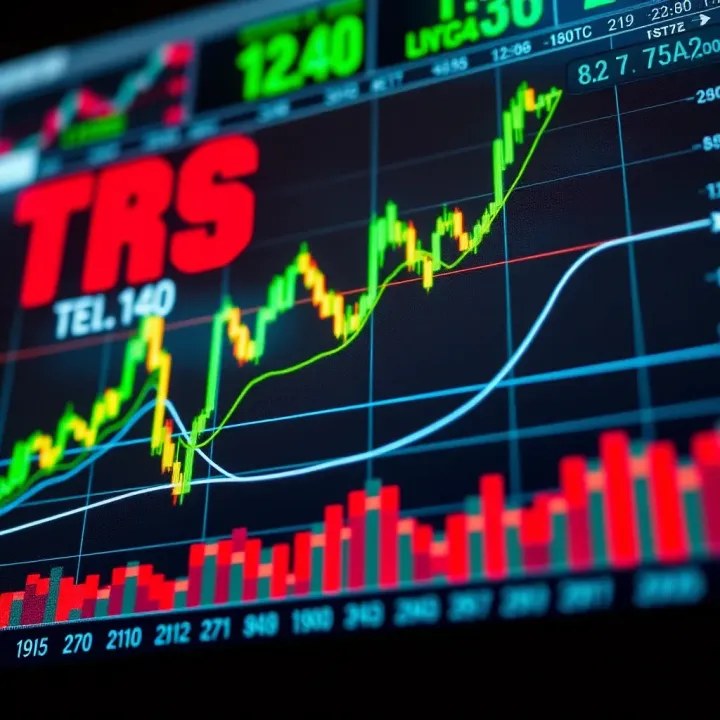
Becoming a billionaire through trading demands substantial initial capital. Small or medium investments rarely yield those magnitudes of wealth quickly. For instance, margin trading or leverage can boost exposure but also amplifies risks. Many Indian stockbrokers offer leverage, but traders must be cautious to avoid overexposing themselves. Without significant capital, scaling trading profits to billionaire levels remains impractical.
Severe losses can happen quickly due to market swings or strategic errors. Unlike long-term investing where losses can average out, trading’s short time frames mean one bad move can erase months of gains. A common example is futures and options trading, where misjudging market direction can lead to losing the entire margin. That's why experienced traders set stop-loss limits to prevent catastrophic losses.
Markets are influenced by many unpredictable factors, from geopolitical tensions to central bank decisions. These random movements can create sudden profits or losses regardless of skill. For example, even seasoned traders were caught off-guard by the 2020 pandemic crash. Luck can sometimes favour traders, but relying on it alone is dangerous.
Skill means building repeatable trading methods that work over time, not just one-off wins. Indian traders often use technical analysis or algorithmic tools to find patterns. Consistency reduces reliance on luck and improves decision quality. Backtesting strategies on past market data helps refine approaches before risking real money.
Discipline ties skill and luck together. Sticking to a plan, regardless of short-term emotions or market noise, prevents impulsive errors. For instance, if a trader’s strategy signals exit at a loss but they hold on hoping for reversal, they risk bigger setbacks. Discipline involves maintaining stop-loss, reviewing strategies periodically, and avoiding overleveraging.
Trading can lead to large wealth, but it demands facing harsh market realities, balancing skill with luck, and practising strict discipline. Without recognising these, the dream of becoming a billionaire remains just that—a dream.
Success in trading depends on several key factors that go beyond simply picking the right stocks or currencies. Handling risks wisely, staying updated with market changes, and controlling emotions play major roles. Traders who manage these aspects properly often increase their chances of making consistent profits and, possibly, serious wealth.
Setting stop-loss limits helps cap potential losses in volatile markets. For example, if you buy a stock at ₹1,200 and set a stop-loss at ₹1,150, your trade will automatically close if the price falls to ₹1,150, limiting further damage. This simple tool prevents emotion-driven decisions when markets turn against you.
Position sizing refers to deciding how much capital to risk on each trade. Instead of putting all eggs in one basket, traders often risk 1-2% of their total capital per trade. If you have ₹10 lakh invested, risking ₹10,000–₹20,000 on a single trade keeps losses manageable and protects your capital for future opportunities.
Managing leverage is crucial because leverage magnifies both gains and losses. Using too much borrowed capital can wipe out accounts quickly. A trader using 10 times leverage needs to be extra cautious. Restricting leverage or using it wisely can prevent devastating losses.
Keeping up with market trends means monitoring economic indicators, news events, and global shifts. For instance, currency traders tracking Reserve Bank of India policies or monsoon forecasts can anticipate market reactions better. Staying updated helps you avoid surprises and adjust your strategies.
Backtesting strategies involves testing trading plans against historical data before applying them live. This step reveals how a strategy might perform in past market conditions. For example, using software to see if a particular technical indicator worked well over the last five years on Nifty stocks saves you from costly real-time mistakes.
Using technology and analytics has become indispensable. Modern traders use algorithmic tools, charting platforms, and data-driven insights to spot patterns and optimise decisions. Indian platforms like Zerodha’s Kite or Upstox provide powerful analytics that can give traders an edge.
Avoiding impulsive decisions is vital. Fear or greed can push you into rash trades. For instance, chasing stocks after a sudden price jump often leads to buying at peaks and facing losses. Staying calm and sticking to reasoned plans stops this cycle.
Handling losses objectively means treating setbacks as part of trading, not personal failures. Successful traders review why a trade failed, learn lessons, then move forward. For example, after a loss, analysing whether entry timing or stop-loss placement was wrong improves future trades.
Maintaining a trading plan gives structure to your activity. A plan defines objectives, risk limits, and exit strategies. It acts as a roadmap, preventing emotional wandering. Even during volatile times, following a written plan helps consistency and protects capital.
Mastering these factors doesn’t guarantee billionaire status, but it certainly builds a foundation for growth. Traders who ignore them risk losing more than they gain.
Understanding stories of traders who made huge fortunes is more than just inspiring; it offers practical lessons in what strategies, mindset, and discipline work in real markets. These cases provide benchmarks for what consistent success looks like and show that, while tough, trading can lead to substantial wealth if approached wisely.
George Soros is famous for his bold currency bets, particularly the 1992 Black Wednesday trade where he reportedly earned $1 billion by short-selling the British pound. His success stems from a combination of deep macroeconomic analysis and readiness to take calculated risks supported by strong conviction. Soros demonstrates the power of understanding global economic trends and positioning yourself ahead of market movements.
His approach underlines the importance of being well-informed and not shying away from large, timely bets when market conditions align. Traders can learn from Soros the value of patience coupled with decisive action when the opportunity arises.
Ray Dalio founded Bridgewater Associates, one of the world's largest hedge funds, focusing on a diversified, principles-driven investment strategy. Dalio famously promotes "radical transparency" and meticulous data analysis to understand market behaviours, leading to smoother risk management and adaptive strategies.
His emphasis on creating a systematic approach to trading helps reduce emotional decisions and builds consistency. Dalio’s example shows traders the benefits of structuring their trades around comprehensive research and developing clear investment principles.
Paul Tudor Jones made his mark by predicting and profiting during the 1987 stock market crash. Known for technical analysis and timing, Jones combines pattern recognition with an acute sense of market psychology. He focuses heavily on risk control, often cutting losses quickly to protect capital.
Jones teaches traders the importance of reacting to market signals and not holding onto losing positions for too long. His practical focus on managing risk and reading market sentiment proves invaluable for those aiming for long-term trading success.
All these traders highlight risk management as a cornerstone of wealth accumulation. Setting clear limits on losses and sizing positions appropriately prevents catastrophic setbacks. For instance, Soros accepted losses when his bets didn’t pan out, ensuring he could stay in the game longer. Traders must prioritise protecting capital over chasing every opportunity.
Markets shift constantly. Dalio’s approach stresses adapting strategies based on evolving data and market cycles. This flexibility prevents sticking rigidly to a plan that no longer fits current conditions. Traders who learn to adjust their tactics, experiment cautiously, and backtest methods improve their chances of sustained success.
Though trading often focuses on short-term gains, these billionaires maintain a long-term perspective. Soros and Dalio both build portfolios that balance immediate opportunities with trends extending over months or years. This vision prevents impulsive decisions and fosters steady wealth growth, reminding traders that patience and foresight matter just as much as quick trades.
Stories of successful traders are not just tales of luck; they reveal disciplined risk control, adaptability, and a clear vision that aspiring traders can model to increase their odds of building significant wealth.
Not everyone finds making billions purely through trading realistic or sustainable. Exploring alternative methods to grow wealth within financial markets offers practical routes for many. These paths often involve lower risks, steady returns, and opportunities to build capital gradually, which suits most investors better than high-octane trading alone.
Systematic Investment Plans (SIPs) provide a disciplined way to invest small, regular amounts into mutual funds or stocks, suitable especially for those with limited initial capital. Over time, this approach uses rupee cost averaging to reduce the impact of market volatility. For example, many middle-class investors in India grow their portfolios by consistently investing through SIPs offered by platforms like SBI Mutual Fund or HDFC Mutual Fund.
Dividend investing focuses on buying shares of companies with a consistent history of paying dividends. These companies, often in sectors like utilities or consumer goods, generate a steady income stream besides potential capital gains. Investors who rely on dividend payouts can reinvest them to compound wealth or use them as a part of their regular income, making this strategy appealing for those seeking both growth and stability.
Building wealth over decades comes from patience and compound growth. Long-term investors tend to hold stocks or funds through market ups and downs, allowing returns to accumulate. Historical data shows that the Indian stock market, despite short-term swings, has rewarded investors who stayed invested for 15-20 years with significant wealth accumulation. This method contrasts sharply with trading, which requires constant engagement and carries higher short-term risks.
Entrepreneurship in financial services offers another route to substantial wealth. Starting ventures related to financial technology (fintech), asset management, or advisory services can tap into India's growing demand for financial literacy and inclusion. For instance, companies like Zerodha and Groww emerged not from trading profits but by building platforms that serve millions of investors and traders.
Asset management involves overseeing investments for individuals or institutions, focusing on portfolio construction, risk management, and goal-based investing. Professionals managing sizeable funds earn through management fees and performance incentives, creating wealth over time. This role demands financial expertise and a deep understanding of markets but can be more predictable than personal trading gains.
Financial advisory roles help individuals plan taxes, investments, retirement, and estate matters. Advisors build long-term relationships with clients, offering personalised counsel based on evolving needs. Even those with modest beginnings can grow their practice and income by establishing trust and delivering consistent results, often supplemented by certifications like Certified Financial Planner (CFP).
Alternative paths in financial markets often require patience and steady effort but offer more reliable routes to wealth compared to the uncertain world of trading. They fit well for investors who prefer structure over speculation.
By considering these paths, individuals can align their risk appetite and financial goals wisely, opening doors to wealth creation that suits their lifestyle and capabilities.
Explore Qutex trading 📈 with this detailed guide—learn core concepts, setup, execution & risk management to trade smartly in India’s market 🇮🇳.

📈 Understand Quotex trading hours in India! Learn market timings, timezone tips, and maximize your trading strategy with detailed insights tailored for Indian traders.
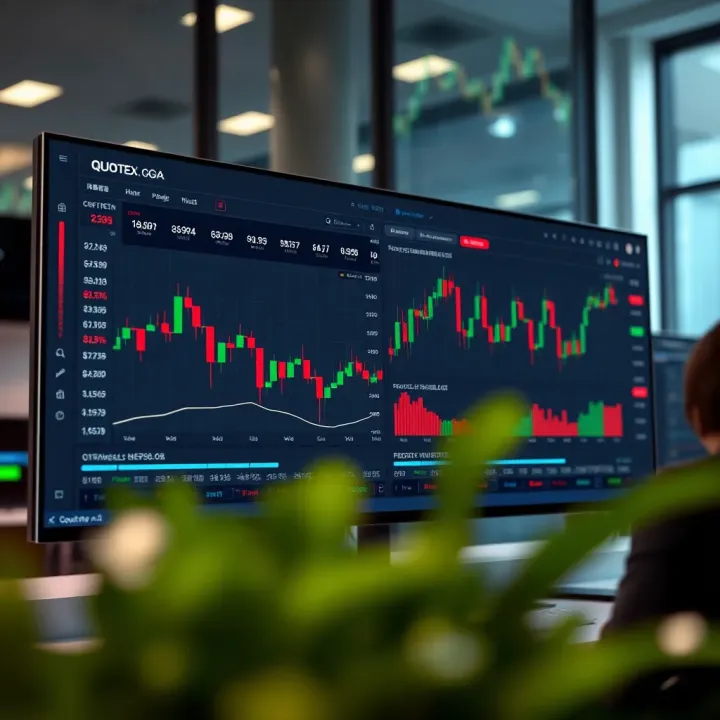
📈 Explore Quotex trading essentials, from platform features to risk management tips, helping Indian traders start smart and trade confidently.
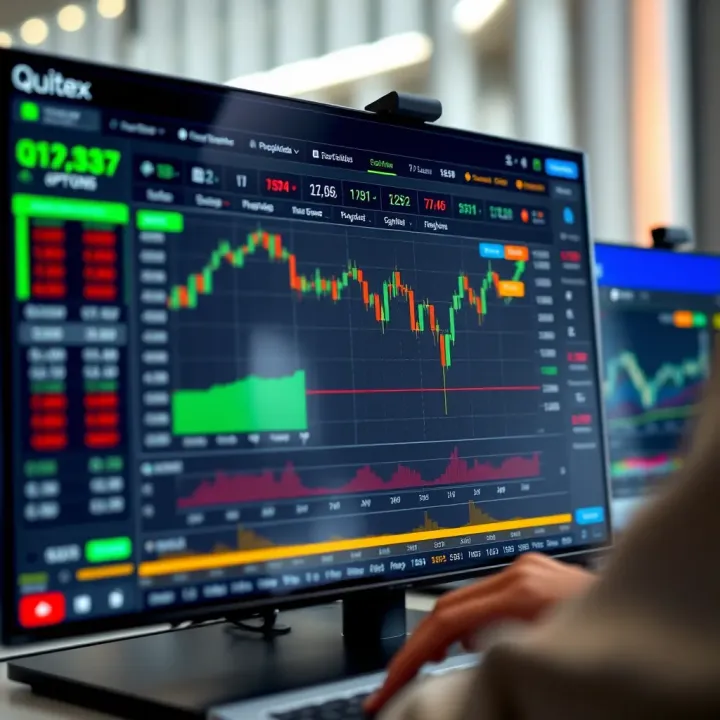
📈 Discover how to trade on Quotex in India with our detailed guide. Learn platform features, set up accounts, choose instruments, and manage risks smartly.
Based on 7 reviews