
Reliance Industries Target Price Forecast for 2030
📈 Explore Reliance Industries' growth prospects and target price for 2030, analyzing key sectors, market trends, and risks for informed investing decisions.
Edited By
Sophie Bennett
The exchange rate between the US dollar and the South African rand matters a lot for investors, traders, and businesses dealing across these economies. Understanding its movement requires looking beyond mere price charts to the fundamentals shaping demand and supply for both currencies.
Several key factors influence this rate. South Africa's commodity exports, especially gold and platinum, play a big role since a drop in global metal prices usually weakens the rand. Meanwhile, US economic indicators like inflation, interest rates, and labour market data strongly impact the dollar’s strength.
Geopolitical events also add layers of unpredictability. Political uncertainties or trade tensions can cause sudden swings. For instance, South Africa’s own political developments or US foreign policy shifts can ripple through the foreign exchange market quickly.
Exchange rates aren’t just numbers; they reflect the broader economic health, investor sentiment, and risk appetite affecting these two countries.
Traders often rely on a blend of technical and fundamental analysis to spot trends. For example, chart patterns combined with data on South African Reserve Bank (SARB) interest decisions or US Federal Reserve policy updates provide clues for near-term direction.
Forecasting exchange rates like Dollar-Rand involves looking at:
Economic growth forecasts for both countries
Commodity price trends
Inflation and interest rate differentials
Political stability and external shocks
Understanding these components helps investors and entrepreneurs make timely decisions in hedging currency risks or capitalising on favourable moves. This article will break down recent exchange rate trends, analyse key economic signals, and explain forecasting methods used by experts.
By grasping this mix, you can better anticipate fluctuations in Dollar-Rand rates, whether for trading, investment, or business planning purposes.
Understanding recent trends in the Dollar to Rand (USD/ZAR) exchange rate is key for anyone involved in trading, investing, or doing business with South Africa. This section highlights how the currency pair has moved recently, the factors influencing such shifts, and what these patterns mean for decision-making. Knowing current trends helps interpret future possibilities and plan effectively.
Over the last 12 months, the USD/ZAR exchange rate has experienced significant swings, influenced by both global and domestic developments. For example, in mid-2023, the rand weakened to about ₹20.50 per dollar, largely on concerns about South Africa’s trade deficit and inflation pressure. Later in the year, the currency regained some ground, appreciating to around ₹18.70 as commodity prices improved and the Reserve Bank of South Africa signalled tighter monetary policy.
These fluctuations affect importers and exporters directly. South African businesses reliant on imported raw materials found costs jumping during the rand's dip, while exporters enjoyed better earnings in local currency terms when the rand weakened. Traders watching these swings can spot short-term profit opportunities or hedge risks more precisely by tracking such historical movements.
Several events shaped the exchange rate over the period. The US Federal Reserve’s interest rate decisions had a strong impact. When the Fed hinted at slower hikes or pauses, the dollar often eased, helping the rand gain. Conversely, hawkish Fed signals pushed the dollar up, weakening emerging market currencies including the rand.
At home, South African political shifts and fiscal announcements affected investor confidence. For instance, delays in approving the budget or controversies around state-owned companies triggered rand volatility. The interplay of these events created a backdrop where traders need to stay alert to both local and global news to anticipate currency moves.
Global economic reports like US inflation, unemployment data, or China’s manufacturing output often rattle markets. When US inflation numbers fall below expectations, the dollar can weaken, giving the rand some relief. For example, weaker-than-expected US job growth in March 2024 led to a temporary decline in the dollar, causing the rand to strengthen briefly.
Such data releases create quick reactions, sometimes lasting minutes to hours. Traders rely on these announcements for intraday strategies, while investors adjust portfolios accordingly. Predicting these effects needs monitoring a packed economic calendar.
Politics often jolts the USD/ZAR pair with sudden spikes or drops. South Africa’s recent shifts in energy policy announcements, coupled with upcoming elections, prompted mixed market responses. Political uncertainty typically pressures the rand as investors fear instability.
Similarly, US political developments, like debates on debt ceiling or fiscal stimulus, can move the dollar strongly, influencing the exchange rate instantly. Investors and businesses exposed to currency risk consider these political cues critical when timing their forex transactions or hedges.
Staying updated on recent trends, from economic data to political events, is essential for anyone dealing in USD/ZAR. These factors not only explain past movements but also illuminate what could come next, aiding better decisions in a volatile market.
Economic indicators from both the US and South Africa fundamentally shape the dollar-rand exchange rate. Traders and investors closely watch these factors since they reflect each economy's health, influencing currency strength and market sentiment. Understanding these elements provides vital clues to anticipate currency moves.
Inflation and interest rate policies play a major role in the US dollar's value. When inflation rises above the Federal Reserve’s target, the central bank often increases interest rates to cool down the economy. Higher rates attract foreign capital seeking better returns, boosting the dollar against the rand. For instance, in 2023, several rate hikes tightened money supply, causing noticeable dollar strength versus emerging market currencies, including the rand.
Conversely, if inflation slows or the Fed signals a pause, the dollar tends to lose some ground. Traders must keep an eye on US Consumer Price Index (CPI) releases and Fed meeting outcomes, as these frequently spark sharp exchange rate movements.
Employment and GDP growth data also impact the dollar's trajectory. Strong payroll numbers or an expanding GDP signal robust economic activity, supporting the greenback’s value. For example, when US employment data showed solid job creation in early 2024, it reassured investors about economic resilience despite global headwinds.
On the other hand, weak employment can prompt concerns about slower growth, weakening the dollar. These data points offer practical indicators of short-term shifts in investor confidence that affect exchange rates.
Commodity prices and export performance heavily influence the rand since South Africa depends on mining and agriculture exports. Rising prices for gold, platinum, and other key exports boost local currency value by improving trade balance and foreign reserves. In contrast, a slump in commodity prices tends to drag the rand down. For traders, monitoring commodity markets gives early warnings about potential rand direction.
Political stability and fiscal management are critical for sustaining confidence in the rand. Periods of political uncertainty or poor budget management can scare off foreign investors, leading to capital outflows and rand weakness. For example, political tensions around budget announcements or protests have previously caused sharp rand dips.
Good fiscal discipline and stable governance reassure markets by reducing risks, helping maintain the rand's strength. Business leaders and investors closely monitor government statements and policy clarity to manage their forex exposure effectively.
Economic indicators from both countries provide practical insights that help traders anticipate dollar-rand fluctuations. Staying updated with these signals can significantly improve currency risk management.
Track US Federal Reserve policy statements and inflation data
Monitor US employment reports and GDP updates
Watch commodity price trends impacting South African exports
Assess political developments and fiscal policies in South Africa
This focus on real-time economic data enables timely and informed decisions in the volatile forex market.
Understanding how geopolitical factors and global market changes affect the dollar to rand exchange rate is vital for traders and investors. These influences often trigger sudden currency shifts, making it essential to monitor international developments alongside economic data. For example, political decisions in Washington or Pretoria can ripple through forex markets, affecting the dollar-rand rate.
US-South Africa trade dynamics play a considerable role in exchange rate movements. South Africa's exports, including minerals and agricultural products, depend heavily on demand from the US market. When trade volumes increase, the rand tends to strengthen as dollar inflows rise. For instance, a recent uptick in South African platinum exports to the US helped support the rand in certain periods. Conversely, trade disruptions or tariff impositions can weaken the rand, as demand uncertainty leads to capital outflows.
Trade negotiations and agreements also impact currency confidence. A stalled US-South Africa trade agreement might cause investors to hesitate, impacting the rand's stability. Professionals should track trade policies closely, because these influence cross-border investment and currency flows.
Influence of global trade tensions extends beyond bilateral relations. When large economies, including the US and China, engage in tariffs or sanctions, global supply chains get disrupted. This uncertainty often pushes investors toward safe-haven currencies like the US dollar, prompting rand depreciation. For example, during the US-China trade war peak, emerging market currencies such as the rand faced significant pressure due to risk aversion.
Indian traders and investors interested in dollar-rand forecasts should note that trade tensions reduce appetite for riskier currencies, impacting exchange rate forecasts. Monitoring updates from the World Trade Organization and trade policy developments helps anticipate such currency swings.
Market sentiment during crises dramatically influences the dollar-rand rate. Crises like the 2008 global financial crash or the recent COVID-19 pandemic lead to capital flight toward the dollar, seen as a safe store of value. The rand typically weakens during such times, as foreign investors withdraw holdings from South African assets to reduce risk exposure.
In contrast, when global markets stabilise, the rand may recover as confidence returns. For example, post-pandemic stimulus and vaccine rollouts improved market sentiment in 2021, supporting emerging market currencies including the rand.
Managing reactions to such global events can help traders minimise losses and capitalise on rebounds.
Shifts in foreign investment flows also affect the dollar to rand exchange rate. Foreign portfolio investments into South African equities and bonds bring in dollars, boosting demand for the rand. Conversely, when investors reduce exposure to emerging markets due to concerns about global economic health or domestic politics, the rand declines.
Watching foreign direct investment trends and portfolio movements helps forecast currency direction. For example, during periods of higher crude oil prices, global liquidity often improves, encouraging foreign investment in resource-rich South Africa, which in turn strengthens the rand.
For traders and investors, these dynamics underscore the need to follow global financial news and capital flow data closely, as they directly impact exchange rate trends between the dollar and rand.
Predicting the movements of the dollar to rand exchange rate requires a blend of different methods, each offering distinct insights. Understanding these approaches helps traders, investors, and businesses make informed decisions in a currency market known for its volatility. The main methods include fundamental analysis, technical analysis, and gauging market sentiment through expert opinions. Each plays a role in forecasting fluctuations, managing risks, and planning strategies effectively.
Fundamental analysis focuses on evaluating the economic conditions of the US and South Africa, along with their central banks' policies. Key indicators like inflation rates, interest rate decisions by the Reserve Bank of India (RBI) and the US Federal Reserve, employment data, and GDP growth directly impact exchange rates. For instance, if the Fed hikes interest rates to curb inflation, the US dollar usually strengthens, making the rand weaker against it. Similarly, rising commodity prices strengthen the rand, given South Africa's export dependence on minerals.
Monitoring these indicators helps predict possible currency moves. If South Africa’s inflation rises sharply without a matching rate hike by the South African Reserve Bank (SARB), the rand could lose value. Traders often watch the SARB’s monetary policy statements closely to anticipate such moves.
Political events and stability strongly influence the rand’s outlook. Elections, policy reforms, or fiscal mismanagement can cause sudden currency swings. For instance, uncertainty around South Africa’s public sector wage agreements or land reform debates tends to unsettle the rand. Political risks also extend to foreign investment flows, which underpin currency demand.
A good example is the volatility the rand experienced during the Zuma administration due to concerns over governance and corruption. Investors look for signs of political stability or reform to gauge if the rand might gain strength. Hence, evaluating political risk forms an essential part of fundamental forecasting.
Technical analysis uses past price data to predict future dollar to rand movements. Traders examine chart patterns such as head and shoulders, double tops, or triangles that indicate potential trend reversals or continuation. For example, a breakout above a long-term resistance level on the USD/ZAR chart could signal sustained dollar strength.
Trend indicators like Relative Strength Index (RSI) and Moving Average Convergence Divergence (MACD) offer clues on whether the market is overbought or oversold. These tools help short-term traders identify opportunities with more precision than waiting for economic data.
Moving averages smooth price data to identify overall trend directions. Commonly used simple or exponential moving averages (SMA/EMA) help define support or resistance levels. Crossovers—like the 50-day moving average crossing above the 200-day—often trigger trading signals known locally as "golden crosses," indicating bullish momentum for the dollar against the rand.
Oscillators such as Stochastic or RSI complement moving averages by highlighting market momentum and potential reversal points. These provide useful entry or exit signals for forex traders actively managing short- to medium-term positions.
Financial institutions including banks and asset managers regularly publish their dollar-rand outlooks based on extensive research. Their forecasts consider macroeconomic data, geopolitical developments, and technical signals, offering a compass to traders and investors.
Such consensus forecasts often influence market behaviour. For example, if several large banks signal a weakening rand over the next quarter, currency traders might adjust positions accordingly. Monitoring these surveys aids in understanding broad market expectations.
Analyst opinions and commentary play a significant role in shaping market sentiment, especially among retail investors and smaller traders. Reputed analysts may highlight risks or opportunities that others overlook, triggering price movements.
For instance, a sudden alert on rising US bond yields affecting the rand can lead to swift exchange rate reactions. While not always accurate, these insights provide valuable perspectives and can complement technical and fundamental research in forming a holistic view.
Successful prediction of the dollar to rand exchange rate depends on integrating multiple approaches — fundamental economic factors, technical signals, and market sentiment — to navigate a complex, ever-changing market landscape.
Understanding the dynamics of the dollar to rand exchange rate is vital for traders, investors, and businesses alike. Currency fluctuations can directly affect profits, costs, and investment returns, making it crucial to manage risks and identify opportunities effectively. This section highlights how these stakeholders can protect themselves from losses and take advantage of forecast trends.
Hedging helps mitigate the impact of adverse currency movements. Common tools like forwards, futures, options, and swaps allow businesses or investors to lock in exchange rates or cap potential losses. For instance, an Indian importer paying in rand can use a forward contract to fix the exchange rate today, thus avoiding unexpected costs if the rand weakens against the dollar in the coming months.
Such instruments provide certainty in cash flows and budgeting. Traders can also hedge their forex exposure to avoid margin calls during volatile periods, ensuring business continuity even when the rand or dollar surprises the market.
Beyond hedging, strategic planning involves analysing exposure types—transactional, translational, or economic—and deciding the right mix of natural hedges and financial instruments. For example, a South African firm exporting to the US might invoice in dollars to reduce currency risk and use budgeting strategies to match costs in rand.
Planning also means timing and scaling forex activities based on predictions and risk appetite. Businesses operating in sectors like commodities or tourism, where exchange rate swings can be sharp, should regularly revisit their forex policies so they remain aligned with current market scenarios.
Traders can benefit by aligning their strategies with exchange rate forecasts. If data points to a weakening rand due to falling commodity prices, short-selling the rand or buying dollars through currency futures could yield profits. Similarly, during periods of expected stability, range trading strategies may be suitable.
Using technical indicators combined with economic fundamentals adds layers of confidence to trading decisions. For example, RSI (Relative Strength Index) signals along with improving South African trade balances might indicate a potential rand rally, which traders can capitalise on.
Investors looking beyond short-term volatility can assess how macroeconomic trends, fiscal policies, and geopolitical factors might shape the dollar-rand rate over years. A rising rand may signal strengthening of the South African economy, making equities and bonds more attractive.
Long-term investment also involves diversifying currency exposure and timing investment entry points based on deep market analysis. For instance, a pension fund investing in both Rand and Dollar assets might rebalance its portfolio during times forecasted for major currency shifts, improving overall returns and reducing risk.
Currency risk management and strategic investment planning themselves create an advantage. Being proactive rather than reactive helps stakeholders navigate exchange rate trends with confidence and optimise financial outcomes.
📈 Explore Reliance Industries' growth prospects and target price for 2030, analyzing key sectors, market trends, and risks for informed investing decisions.
📈 Dive into our detailed analysis of Reliance share price target for 2035, exploring company fundamentals, market trends, risks, and expert views for informed investing.
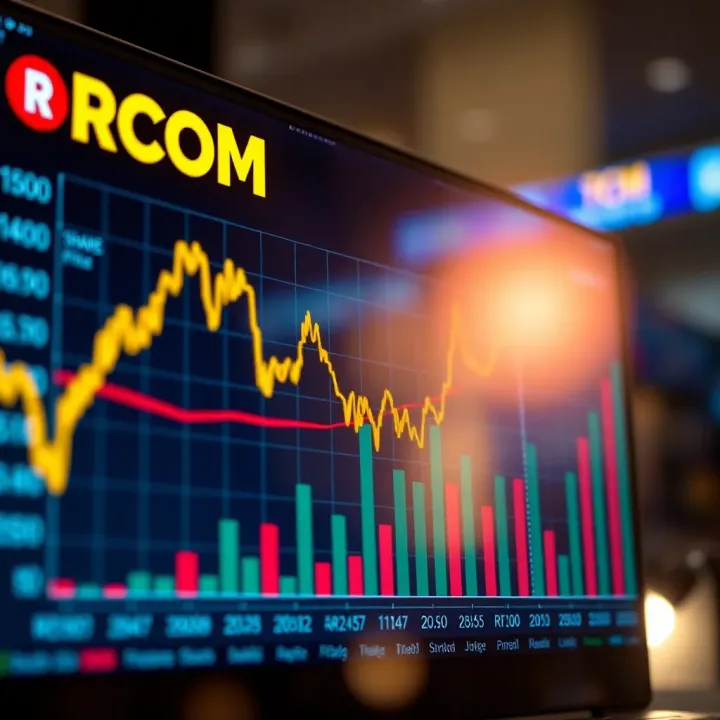
📈 Explore RCOM's share price outlook for 2030 with in-depth analysis of market trends, financial health, and expert forecasts tailored for Indian investors.
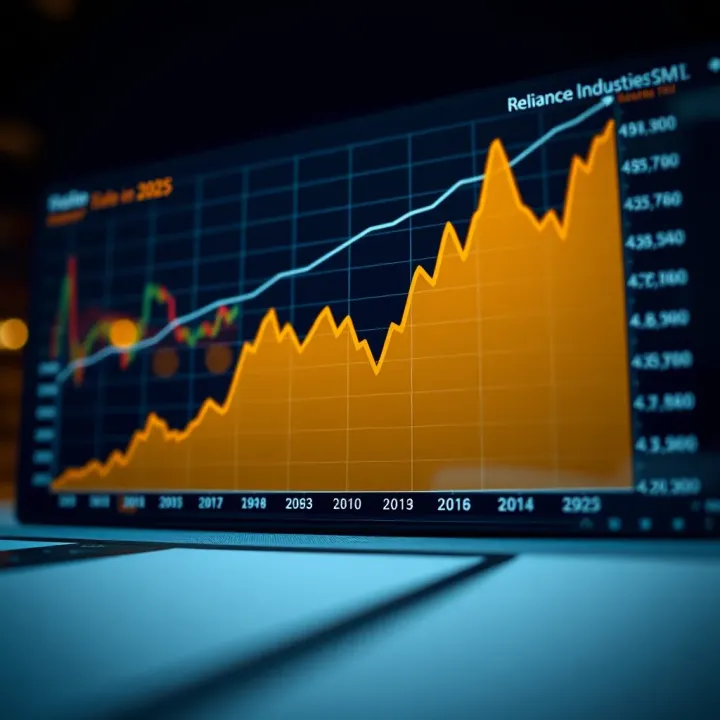
📈 Explore Reliance Industries' share price forecast for 2025, analyzing recent trends, market influences, expert views, and key risks for investors.
Based on 5 reviews